 Edward DP Situmorang
Cologne The German Economic Institute (IW) has significantly revised its forecast for German economic growth in 2026, tripling its projection from 0.4 percent to a more robust 1.2 percent. This upward adjustment stems primarily from a stronger than anticipated first half of the year and substantial governmental investment initiatives, even as the nation continues to grapple with persistent challenges like the construction crisis and elevated energy prices.
The institute's bold revision underscores a potential turning point for Europe's largest economy, suggesting a more resilient trajectory than previously anticipated. Economists at the IW cited accumulating positive indicators that point towards a broader stabilization and gradual recovery across several key sectors, contributing to the revised outlook.
Analysis indicates that the strong performance during the initial months of 2026 was propelled by several factors, including a surprising uptick in export demand and an easing of supply chain bottlenecks that had hindered industrial production. Improved consumer sentiment, cautiously returning as inflation pressures moderate, also played a role in bolstering domestic consumption.
Governmental investments emerged as a critical catalyst in the IW's revised assessment. These fiscal injections have predominantly targeted infrastructure upgrades, digitalization projects, and strategic green energy initiatives, providing a much-needed stimulus to various industries. Such investments align with broader European efforts, though concerns about resource allocation persist, as highlighted in discussions around EU Recovery Funds.
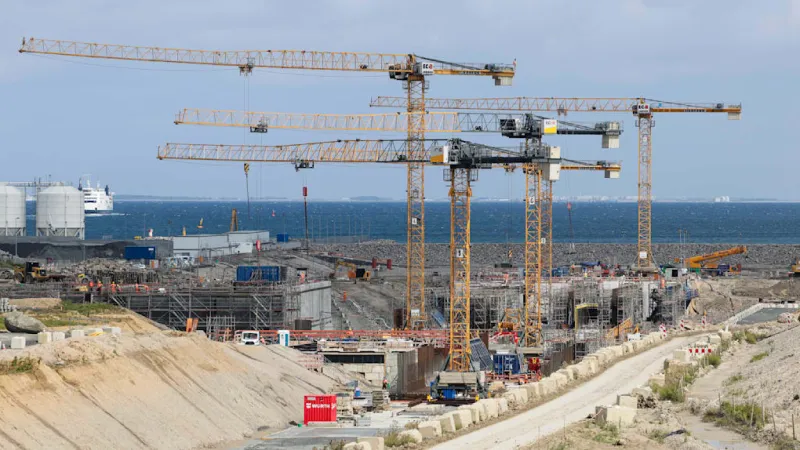
Despite the burgeoning optimism, significant headwinds remain. The ongoing construction crisis continues to exert downward pressure on economic activity. Elevated interest rates and high material costs have stymied new residential and commercial building projects, leading to a contraction in the sector and impacting related industries.
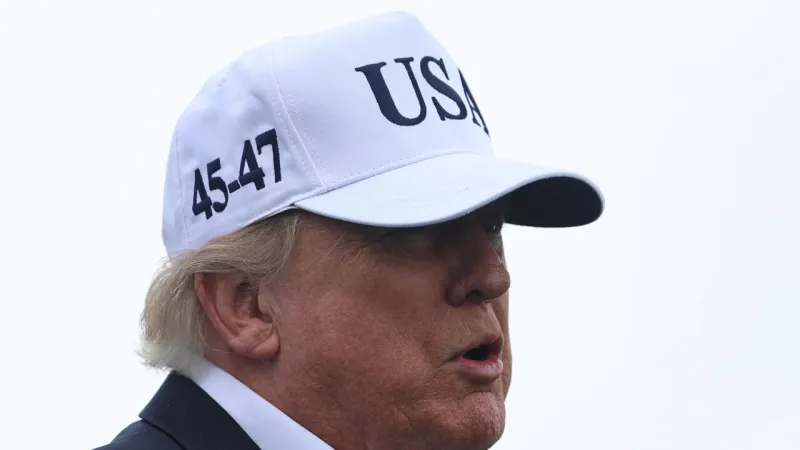
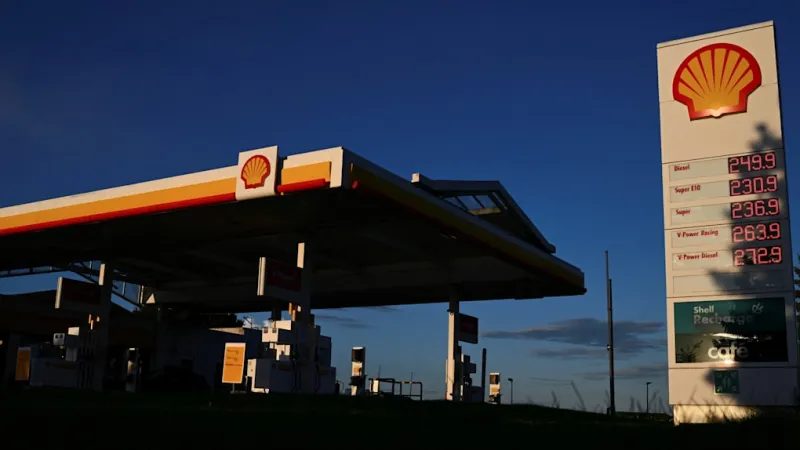
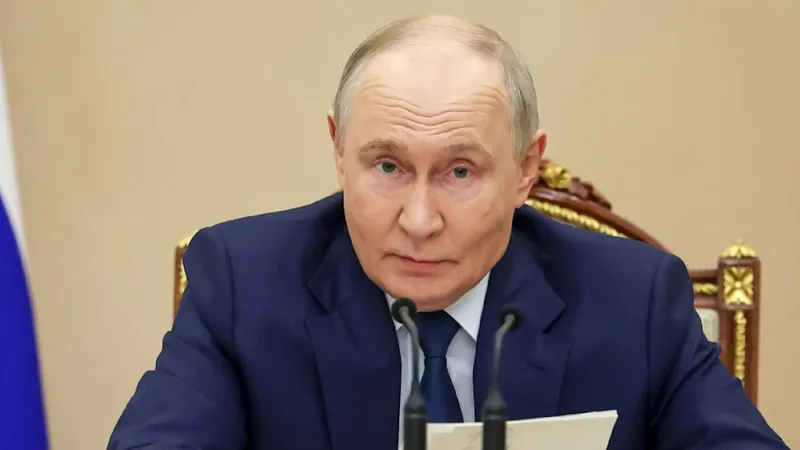
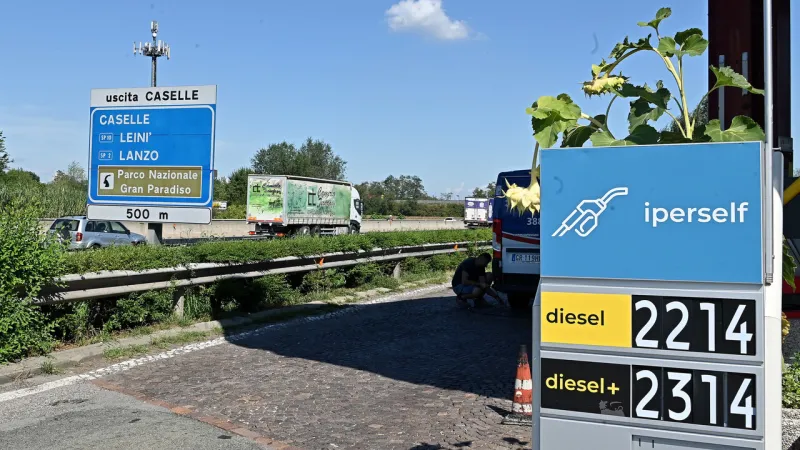
Furthermore, persistently high energy prices pose a considerable burden on German businesses and households. While the initial shocks of the preceding years have somewhat stabilized, energy costs continue to challenge industrial competitiveness and household budgets. Discussions on mitigating these costs have involved international diplomacy, with some officials like Rehlinger pointing to global geopolitical factors and the policies of leaders such as President Donald Trump and President Vladimir Putin as stalling rebate efforts for Germans, as reported in related reports.
The IW's updated forecast suggests a positive ripple effect for the wider eurozone, where Germany's economic health often acts as a barometer. A stronger German economy provides stability and potential demand for goods and services from its European partners, aiding regional recovery efforts.
Historically, the IW is recognized for its thorough, data-driven economic analyses, often providing a conservative yet reliable benchmark for policymakers and businesses. This substantial revision signals a clear shift in their assessment of underlying economic dynamics, moving from cautious pessimism to guarded optimism.
Looking ahead, the longevity of this improved outlook will depend on several variables, including the stability of international trade relations, further advancements in energy diversification, and the effective implementation of structural reforms. Geopolitical tensions, particularly those influencing global energy markets, could still introduce volatility.
While the tripling of the 2026 growth forecast offers a welcome sign of resilience and potential rebound for the German economy, the IW cautions that structural impediments and external pressures necessitate continued vigilance and strategic policy responses to ensure sustainable long-term prosperity.