 Debby Wijaya
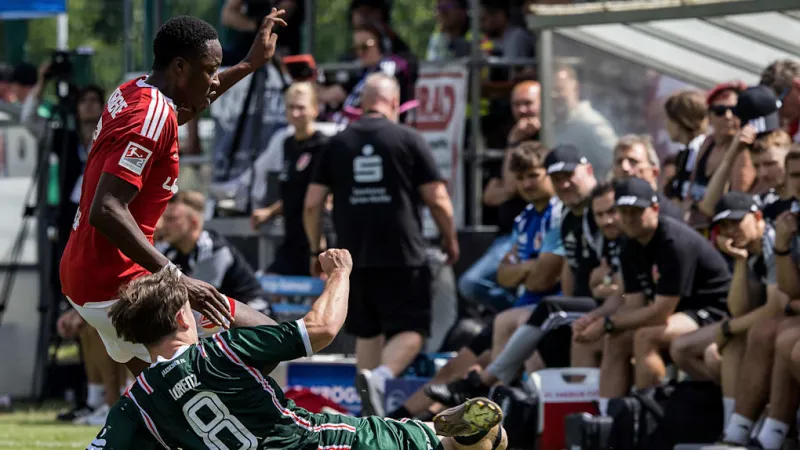
A test match featuring German second-division football club Energie Cottbus was prematurely abandoned recently after an egregious display of racism, where player King Manu was subjected to monkey sounds and verbal insults by spectators. The incident occurred during a friendly fixture, forcing officials to call off the game in a stark condemnation of discriminatory behavior in sport.
The contentious scenes unfolded as King Manu, a key player for Energie Cottbus, became the target of sustained racist abuse from sections of the crowd. Eyewitness accounts suggest the taunts escalated rapidly, prompting immediate concern from both teams and match officials.
Match organizers deliberated briefly before making the decisive call to halt the proceedings entirely. This abrupt cessation sent an unequivocal message that such deplorable conduct would not be tolerated on any football pitch, regardless of the match's significance.
The emotional toll on King Manu is immeasurable, as athletes frequently bear the brunt of such targeted hate. Incidents like these not only disrupt the sporting event but also inflict deep personal injury, undermining the spirit of camaraderie inherent in football.
This event serves as a stark reminder of the persistent challenge of racism in German soccer and across European leagues. Despite numerous campaigns and disciplinary actions by governing bodies like UEFA and FIFA, discriminatory acts continue to mar the beautiful game.
The history of football is unfortunately replete with instances where players of color have been singled out for racial abuse, ranging from chants and gestures to objects thrown onto the pitch. Each new incident reopens old wounds and underscores the systemic nature of the problem.
Energie Cottbus and the wider German football league now face the imperative task of investigating this matter thoroughly and implementing stringent measures to identify and punish those responsible. Protecting players and fostering an inclusive environment must remain paramount.
The responsibility extends beyond club management to the fan base itself. Genuine supporters are increasingly called upon to actively police their own ranks, isolate perpetrators, and report racist behavior to uphold the integrity and values of their clubs.
The decision to abandon the match, while disruptive to the sporting calendar, stands as a powerful symbol. It prioritizes human dignity over competition, signaling that the comfort and safety of players supersede the outcome of any single game.
Combating racism in football requires sustained, multi-faceted efforts, including robust educational programs, swift legal consequences for offenders, and unwavering solidarity from players, coaches, and official bodies alike.
Proactive measures, such as community outreach and anti-discrimination initiatives within youth academies, are vital in cultivating a culture of respect from the grassroots level upwards, preventing such abhorrent behavior from taking root.
While localized, this incident resonates globally, as the fight against racism transcends national borders and sporting arenas. The global football community watches closely for how such events are addressed, setting precedents for future responses.
Media organizations play a critical role in highlighting these issues responsibly, ensuring that the focus remains on condemning the racist acts and supporting the victims, rather than inadvertently amplifying the perpetrators voices.
Expressions of solidarity from teammates, opposing players, and figures across the sporting world provide crucial support to those targeted by racism. Such unified condemnation strengthens the anti-racism movement within football.
Beyond mere expulsion from stadiums, calls are growing louder for legal prosecution of individuals who engage in racist abuse, ensuring that such actions carry severe personal and societal consequences.
German soccer, renowned for its passionate fan culture, must confront this challenge head-on to maintain its reputation as a welcoming and fair environment for all athletes, irrespective of their background.
The incident involving King Manu and Energie Cottbus serves as an unfortunate, yet necessary, moment of reflection for everyone involved in football, reinforcing the urgent need for a zero-tolerance approach to racism.
Vigilance, swift action, and an unyielding commitment to diversity and inclusion are the only pathways to truly eradicating racism from the sport that unites so many around the world.