 Demian Sahputra
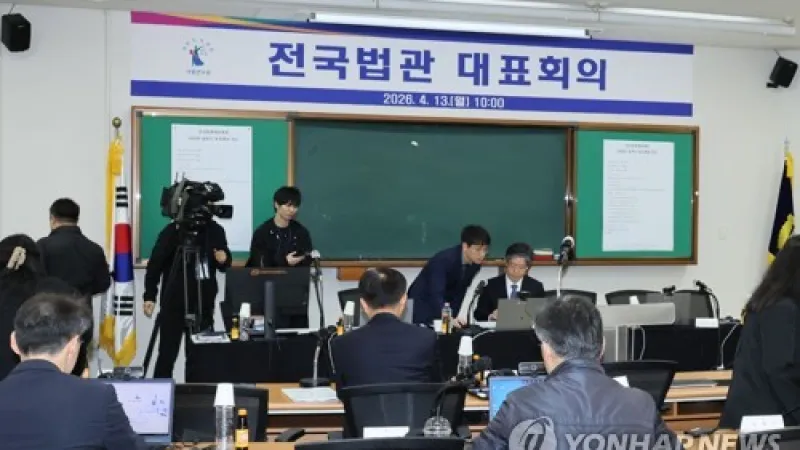
SEOUL – Representative judges from courts across South Korea are preparing for a pivotal national conference this month, a gathering poised to address intensifying public and professional calls for strengthening judicial independence within the nation's legal framework. This crucial meeting comes amidst a backdrop of persistent scrutiny regarding the impartiality and autonomy of the judiciary.
The conference, scheduled to bring together key judicial figures, aims to deliberate on critical measures necessary to insulate the courts from external pressures, perceived or real. Discussions are expected to encompass topics ranging from judicial appointments and promotions to the transparent handling of high-profile cases and the overall perception of fairness.
The timing of this assembly is particularly significant, following a period where public confidence in the judicial system has faced considerable challenges. Recent surveys indicate a significant portion of the populace harbors skepticism regarding the courts impartiality. According to a related report, Deepening Mistrust: Half of South Koreans Distrust Their Courts, a substantial segment of the population expresses distrust in judicial institutions, underscoring the urgency of these deliberations.
Advocates for greater judicial independence argue that a truly autonomous judiciary is fundamental to upholding the rule of law and safeguarding democratic principles. They contend that any hint of political interference or undue influence erodes public trust and undermines the integrity of justice.
Legal scholars and civil society groups have consistently highlighted the need for robust institutional mechanisms to protect judges from political sway. Their recommendations often include reforms to the judicial appointments process, ensuring meritocracy and transparency, and establishing clear protocols for dealing with allegations of impropriety.
The concept of judicial independence is a cornerstone of modern democratic governance, ensuring that judges can make decisions based solely on the law and facts presented, without fear of reprisal or hope of reward from other branches of government or private interests.
While the specific agenda remains under wraps, it is widely anticipated that the judges will review existing frameworks and propose concrete steps to reinforce the judiciarys capacity for self-governance and accountability. This includes potential revisions to internal ethical guidelines and a reevaluation of the relationship between the judiciary and the executive branch.
The Justice Ministry, currently led by Veteran Lee Yong-cheol, also plays a critical role in the broader legal landscape. The relationship between the Ministry and the courts is often a focal point in discussions about judicial autonomy, especially concerning prosecutorial powers and investigative processes.
Recent controversies, such as those that led the South Korean Assembly to Mandate Special Counsel Amid Indictment Fabrication Claims, further illustrate the high stakes involved in ensuring an unbiased and credible legal system. These events amplify the need for the judiciary to assert its independence and demonstrate its commitment to fairness.
Observers will be closely watching the outcomes of this national conference, hoping it yields actionable resolutions that can restore and solidify public faith in South Korea's judicial system. The path to achieving robust judicial independence is complex, requiring sustained effort and a collective commitment from all stakeholders.
The judiciarys ability to effectively address these challenges will have profound implications for the nations legal stability and its standing as a democratic society. The conference represents a critical juncture for the South Korean legal community to affirm its dedication to justice free from external interference.