 Dorry Archiles
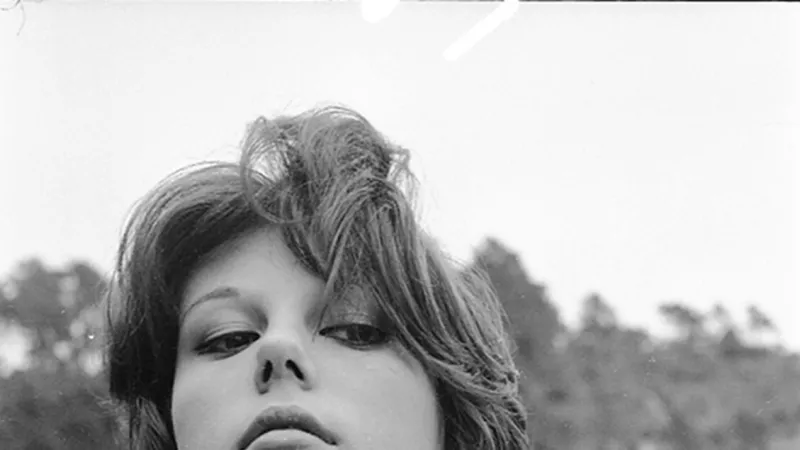
ROME – Italian cinematic legend Stefania Sandrelli, whose profound impact on film spans eight decades, marks a significant personal and professional milestone, underscoring a career celebrated for its authenticity, versatility, and enduring allure. The actress, often hailed as one of Italy's most influential screen talents, continues to captivate audiences and inspire new generations of performers, cementing her legacy in the annals of global cinema.
Born in Viareggio, Tuscany, Sandrelli began her career at a remarkably young age, quickly rising to prominence in the early 1960s. Her distinctive beauty, combined with an innate ability to convey complex emotions, set her apart from her contemporaries. She became a muse for many acclaimed directors, her presence gracing both arthouse masterpieces and commercial successes.
Her breakthrough came with Pietro Germis 1961 film Divorce Italian Style, where she starred alongside Marcello Mastroianni. This role catapulted her to international stardom, showcasing her comedic timing and dramatic depth. The film remains a benchmark in Italian cinema, praised for its sharp satire and Sandrellis unforgettable performance.
Throughout the 1960s and 1970s, Sandrelli cultivated a reputation for fearlessness in her artistic choices. She frequently challenged conventional norms, taking on roles that explored themes of sexuality, social change, and personal liberation, often pushing boundaries in a then-conservative Italy. Her willingness to embrace controversial characters solidified her status as a daring and authentic artist.
Her extensive filmography boasts collaborations with some of cinemas most revered auteurs, including Bernardo Bertolucci in films like The Conformist (1970) and 1900 (1976). These partnerships allowed her to delve into nuanced character portrayals, earning her critical acclaim and showcasing her profound range as an actress.
Beyond her dramatic prowess, Sandrelli also proved herself adept at comedy, effortlessly transitioning between genres. Her naturalistic acting style and magnetic screen presence made her a compelling figure in films that ranged from lighthearted fare to searing social commentary, always imbuing her characters with remarkable depth.
Over the years, Sandrelli has received numerous accolades for her contributions to cinema, including multiple David di Donatello Awards, Italy's highest film honor, and a Golden Lion for Lifetime Achievement at the Venice Film Festival. These awards stand as a testament to her consistent excellence and profound influence on the industry.
Even as she celebrates her 80th year, Sandrelli remains active, demonstrating an unwavering passion for her craft. Her recent appearances and projects underscore a career that refuses to be defined by age, continuing to engage with contemporary narratives and storytelling. She embodies longevity in a demanding industry.
Her enduring appeal transcends generations, making her a beloved figure both in Italy and internationally. Film historians and critics consistently cite her work as pivotal to understanding the evolution of Italian cinema and its place in global artistic discourse. She is often seen as a symbol of a golden era while remaining strikingly modern.
Stefania Sandrellis remarkable journey through cinema reflects not only her individual talent but also the broader cultural shifts and artistic expressions of Italy over more than half a century. Her legacy is one of boldness, grace, and an unyielding commitment to the art of performance, leaving an indelible mark that continues to resonate.