Gabriella
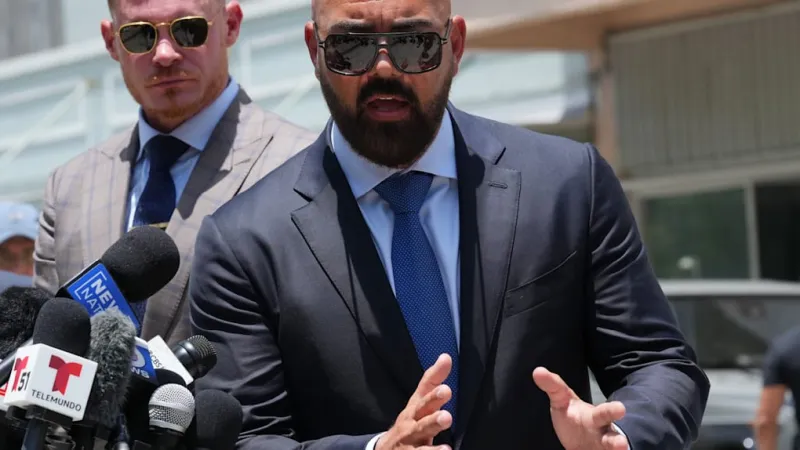
In Miami, controversial online personalities Andrew and Tristan Tate are actively contesting an extradition request from the United Kingdom, where they face serious allegations of sexual offenses and human trafficking. The brothers, known for their opulent lifestyles and outspoken views, appeared in court in standard inmate attire, signaling a stark contrast to their usual public image as they initiate their legal battle against being transferred to British jurisdiction.
The high-profile case has drawn international attention, particularly given the Tates global online following and their prior legal entanglements in Romania. British authorities have sought their extradition to face charges stemming from alleged incidents occurring within the UK.
The legal proceedings in Florida represent a critical juncture for the Tates, who have consistently maintained their innocence against all accusations. Their legal team is reportedly preparing a robust defense, aiming to thwart the extradition process and challenge the merits of the British warrant.
Sources close to the investigation indicate that the charges in the United Kingdom involve severe allegations, including rape and exploitation. These new charges compound existing legal challenges the brothers have faced internationally, particularly concerning their alleged involvement in organized crime and human trafficking in Eastern Europe.
Andrew Tate, a former kickboxer, and his brother Tristan gained notoriety for their provocative online content and discussions centered on wealth, masculinity, and often controversial social commentary. Their presence on various social media platforms has cultivated a dedicated, albeit polarized, audience.
Their recent appearance in court, dressed in orange detention jumpsuits, marked a stark departure from their carefully cultivated image of luxury and defiance. This visual shift underscores the gravity of the legal fight they now confront on American soil.
Extradition battles are often complex and protracted, involving intricate legal arguments regarding jurisdiction, human rights, and the sufficiency of evidence. The Tates legal team will likely leverage these complexities to resist their transfer to UK custody.
Observers of the case note that the outcome could set a precedent for how international law enforcement agencies cooperate in pursuing individuals with significant online influence across borders. The focus remains on the specific legal mechanisms employed by both the UK and US judicial systems.
The British extradition request comes after a period of intense scrutiny on the brothers activities. Their social media accounts have been intermittently suspended and reinstated, reflecting the ongoing debate surrounding their content and public persona.
As the legal process unfolds in Miami, the world watches closely. The Tate brothers extradition case not only tests the resilience of international legal cooperation but also highlights the intersection of online celebrity, alleged criminality, and the long reach of global justice systems.
Their legal representation has yet to issue a comprehensive public statement regarding the specifics of their defense strategy against the UK charges, but their resolute opposition to extradition is clear. The next phases of the judicial process are expected to be highly contested, with both sides preparing for a protracted legal engagement.