 Chris Robert
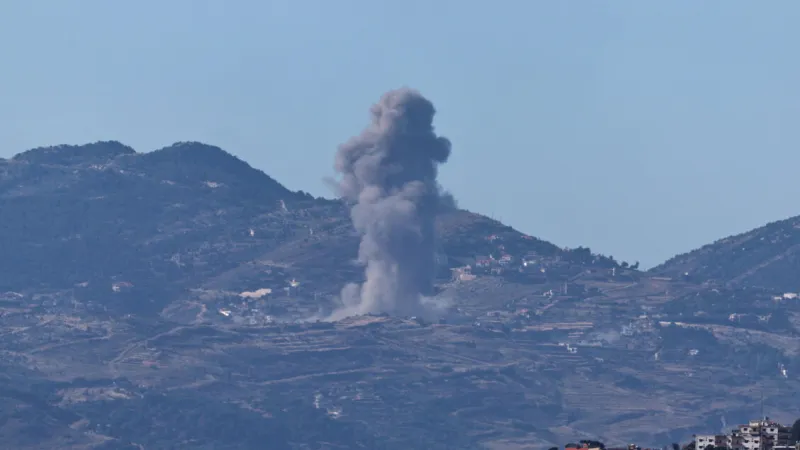
Iran, expressing profound anger over recent Israeli airstrikes in Lebanon, has indefinitely postponed the commencement of critical Middle East peace negotiations scheduled to begin in Lucerne, Switzerland. This diplomatic setback significantly heightens regional tensions and casts a shadow over prospects for de-escalation.
The decision to halt talks followed a series of new Israeli military operations targeting sites within Lebanese territory. These raids, the specifics of which remain under review by international monitors, have drawn widespread condemnation from Tehran.
Iranian officials reportedly communicated their decision to the Swiss facilitators, emphasizing that a conducive environment for dialogue could not exist while Israel engaged in aggressive military actions against its neighbors.
The Lucerne negotiations were anticipated as a vital forum for potentially addressing the simmering conflicts in the broader Middle East. While direct Israeli-Iranian talks at this stage were unlikely, the discussions aimed to involve key regional actors and international mediators in charting a path toward stability.
The postponement underscores the volatile nature of the Middle East, where geopolitical rivalries and military engagements often disrupt diplomatic initiatives. The latest Israeli actions in Lebanon have injected fresh volatility into an already precarious landscape.
Lebanon frequently finds itself caught in the crossfire of regional power struggles, with its southern border a flashpoint for conflict. The recent strikes exacerbate internal Lebanese challenges and fuel concerns about broader regional conflagration.
Amid these escalating tensions, international attention remains fixed on the Strait of Hormuz. Crucial for global oil shipments, the strait has historically been a point of contention and a barometer of regional stability. Reports indicate that its reopening, after unspecified disruptions, currently holds, albeit under close scrutiny.
The cancellation of the Lucerne talks carries significant repercussions for international efforts to de-escalate the broader Middle East crisis. It signals a hardening of positions and diminishes immediate prospects for diplomatic breakthroughs.
While Tehran cites the Lebanese raids, Israel maintains its right to self-defense against perceived threats emanating from its borders. Earlier reports highlighted that Israeli Ministers Urge Gates of Hell Retaliation After Lebanon Deaths, suggesting a firm stance on its security operations.
Observers suggest that restarting these critical negotiations will require substantial de-escalation on all fronts and renewed commitment from international players to foster a neutral environment for dialogue. The path to regional peace remains arduous and uncertain.
International bodies and allied nations are expected to redouble calls for restraint and for all parties to prioritize diplomatic solutions over military confrontation to prevent further destabilization of the region.