 Chandra Wijayanto
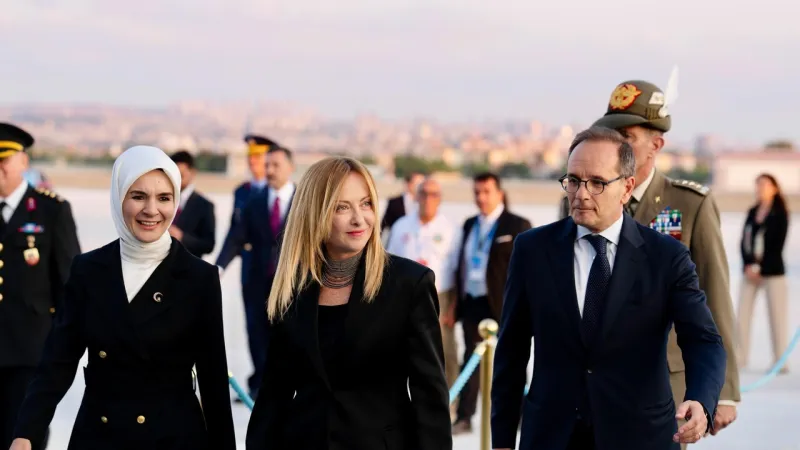
WASHINGTON — President Donald Trump today delivered sharp criticism against several NATO member states, expressing profound disappointment with the alliance's burden-sharing dynamics and specifically citing Italian Prime Minister Giorgia Meloni for insufficient support. His remarks underscored a persistent theme of his administration concerning the financial commitments of European partners, broadening his critique to include France, the United Kingdom, and Germany, whom he stated "slipped away."
The President's comments, made during a recent public address, reignited long-standing tensions over defense spending within the North Atlantic Treaty Organization. He reiterated his position that many allies have not contributed adequately to collective security, leaving the United States to bear a disproportionate share of the financial and military burden. This stance aligns with his administration's consistent push for member nations to meet the alliance's 2% GDP defense spending target.
Regarding Prime Minister Meloni, President Trump acknowledged a personal affinity, stating, "I like Meloni." However, this sentiment was immediately followed by a clear expression of dissatisfaction, with him adding, "but she hasn't helped us." This conditional praise highlights a transactional approach to international relations, prioritizing concrete assistance over diplomatic pleasantries.
The implicit expectation from President Trump for tangible support from Italy comes amid a backdrop of complex geopolitical challenges. While Italy has generally maintained its commitment to NATO, the President's critique suggests a higher threshold for what he considers satisfactory contributions from key allies.
His pointed remarks also targeted France, the United Kingdom, and Germany, accusing them of having "slipped away" from their responsibilities. This accusation is particularly significant given these nations' prominent roles within NATO and the European Union. Germany, in particular, has faced continuous pressure to increase its defense outlays, though recent reports indicate progress towards meeting targets. Germany Shatters NATO Spending Target, Pledges Record Defense Bill
President Trump's discontent with European allies is not a new development. Throughout his presidency, he has frequently questioned the alliance's utility and the commitment of its members. Previous statements hinted at potential troop reductions in Europe if allies did not increase their contributions. Trump Blasts NATO Allies, Signals Potential European Troop Reductions
These latest pronouncements serve as a powerful reminder of the America First foreign policy doctrine, which prioritizes US national interests and demands greater reciprocity from international partners. The emphasis on individual national contributions rather than collective security obligations often creates friction within established alliances.
The President also subtly revived his interest in the acquisition of Greenland, a strategic northern territory, an idea previously floated during his first term. While seemingly unrelated to NATO contributions, this reiteration underscores a broader focus on strategic assets and national advantage.
Such outspoken declarations from President Trump consistently send ripples through diplomatic circles, particularly in Europe. Leaders in Brussels and various European capitals routinely brace for renewed scrutiny over their defense budgets and their perceived allegiance to Washingtons foreign policy agenda.
Observers suggest that while President Trump appreciates public displays of loyalty, his ultimate measure of an ally rests on their tangible contributions and alignment with US strategic objectives. His assessment of Meloni, despite personal regard, exemplifies this pragmatic perspective.
This pattern of engaging allies with a mix of personal appraisal and transactional demands poses unique challenges for multilateral cooperation. It compels European leaders to carefully navigate their relationships with Washington while simultaneously managing their own domestic and regional priorities. The future trajectory of NATO, and transatlantic relations, remains under intense scrutiny as these dynamics play out.
The persistent call for greater equity in defense spending and the critical assessment of individual nations' contributions signal a continued pivot in US foreign policy, one that demands concrete action over historical allegiances from its NATO allies.