 Dodi Irawan
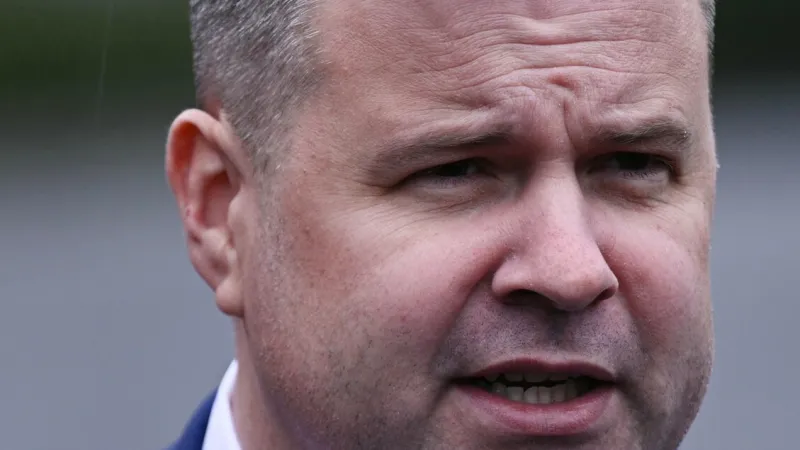
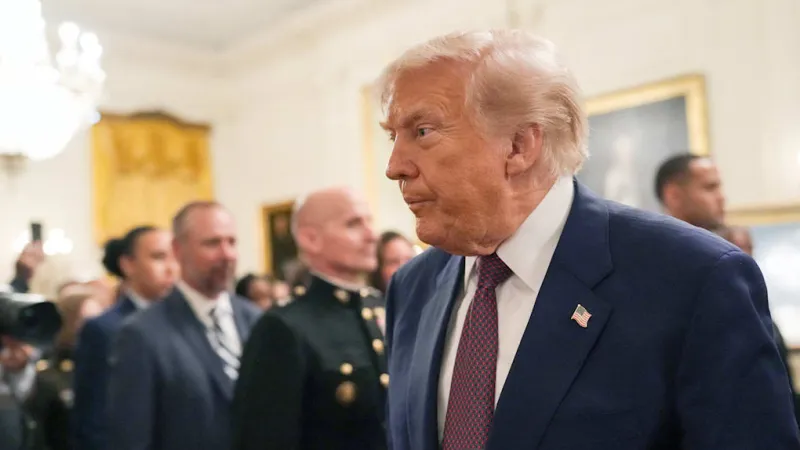
WASHINGTON, D.C. – President Donald Trump has named financier Pulte to serve as the nation's top intelligence chief, an appointment that immediately ignited debate across Washington. Pulte, widely recognized for his aggressive critiques of the Federal Reserve and a steadfast loyalty to the President, brings no traditional background in clandestine operations or intelligence gathering to the critical role of Director of National Intelligence.
This selection marks a significant departure from standard practice, which typically favors candidates with extensive experience within the intelligence community or high-level national security roles. Pulte's career has primarily revolved around financial markets and investment strategies, where he earned a reputation as a shrewd and often combative figure.
The Office of the Director of National Intelligence (ODNI) oversees the seventeen organizations of the United States Intelligence Community. Its director serves as the principal advisor to the President, the National Security Council, and the Homeland Security Council for intelligence matters related to national security. The position demands a profound understanding of global threats, intricate intelligence operations, and the ability to synthesize complex data for presidential decision-making.
Administration officials, speaking on background, emphasized Pulte's proven loyalty to President Trump and his history of challenging established institutions. They suggested his outsider perspective could bring necessary reforms and a fresh approach to the intelligence apparatus, aligning it more closely with the President's vision for national security. His vocal opposition to the Federal Reserve in previous years positioned him as a direct ally in what President Trump often characterized as a systemic battle against entrenched interests.
However, the appointment has drawn sharp criticism from both sides of the political aisle and within the intelligence community. Concerns center on Pulte's complete lack of experience in intelligence work, raising questions about his qualifications to lead an organization responsible for global threat assessments and highly sensitive national security operations. Critics argue that such a pivotal role requires deep institutional knowledge and a nuanced understanding of intelligence collection and analysis.
One former senior intelligence official, who requested anonymity to speak candidly, remarked, “The DNI position is not for on-the-job training. It requires someone who understands the nuances of intelligence, the delicate balance of sources and methods, and the absolute necessity of non-politicized analysis.” These sentiments reflect a broader apprehension about maintaining the integrity and impartiality of intelligence assessments under a director without a conventional intelligence pedigree.
Pulte's public record largely features his robust engagement in financial policy debates and his unwavering support for President Trump during key policy clashes. His advocacy often mirrored the President's own skepticism towards established economic institutions, particularly regarding monetary policy and the independence of the Federal Reserve. This history, while demonstrating loyalty, offers little insight into his capacity to manage a diverse and complex intelligence network.
The Senate confirmation process is expected to be contentious. Lawmakers are anticipated to scrutinize Pulte's qualifications extensively, focusing on his experience, or lack thereof, in areas critical to national security. Senators will likely demand assurances that intelligence reporting will remain objective and free from political influence, a recurring concern during past administrations when appointees lacked relevant backgrounds.
The implications of this appointment extend beyond mere personnel choice. It signals President Trump's continued preference for loyalists and his readiness to disrupt conventional governance structures, even in areas as sensitive as national intelligence. This strategy mirrors other high-profile appointments made throughout his presidency, emphasizing trust and alignment with his agenda over traditional qualifications.
As the nation navigates a complex global landscape, with ongoing geopolitical tensions and emerging threats, the leadership of the National Intelligence is paramount. Whether Pulte's unconventional background will prove to be an asset or a liability remains to be seen, but his nomination has certainly ensured a vigorous public and political debate over the future direction of America's intelligence gathering capabilities. The President has previously demonstrated a willingness to challenge established norms, as seen in his often-blunt assessments of foreign leaders. For example, President Trump unleashed a scathing rebuke at Netanyahu, calling him “crazy” in a past interaction. Such directness often characterizes the President's approach to international relations and domestic appointments.
The appointment also raises questions about the morale within the intelligence community, where career professionals often dedicate decades to developing specialized expertise. The perception that loyalty outweighs experience for the top intelligence role could impact recruitment, retention, and the overall effectiveness of these vital agencies at a time when global security demands are intensifying. The United States continues to bolster its nuclear shield, with warheads heading eastward amid Russia tensions, underscoring the critical need for a stable and experienced intelligence leadership.
This move by President Trump is consistent with a pattern of selecting individuals who may not come from traditional backgrounds but are perceived as committed to implementing his policy directives. The upcoming confirmation hearings will serve as a crucial forum for a thorough examination of Pulte's suitability for a role that underpins the very security of the nation. His leadership will undoubtedly shape how the Intelligence Community functions in the coming years.