 Stefani Rindus
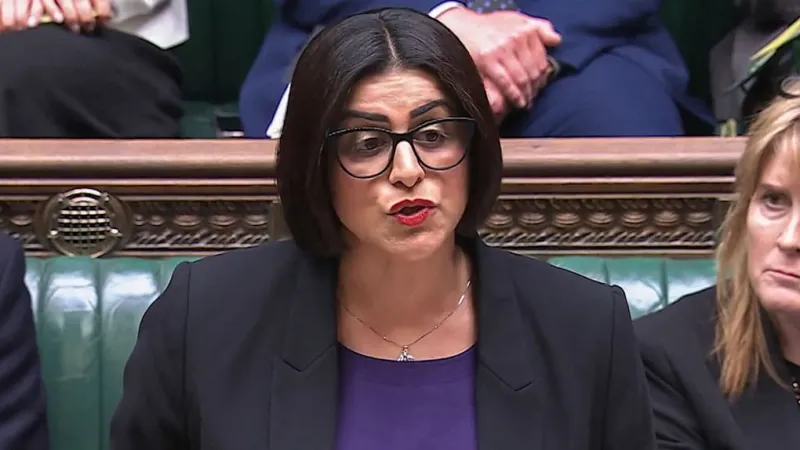
London — Interior Minister Mahmood unveiled a stringent new policy mandating asylum seekers in the United Kingdom repay up to 10,000 pounds for their state-provided care once they achieve financial stability. The controversial measure aims to significantly curb illegal immigration and alleviate financial burdens on British taxpayers, according to the government.
The directive stipulates that individuals granted asylum status will incur a debt covering various support services, including accommodation, food, and basic living expenses, provided during their application process. This financial obligation becomes actionable as soon as recipients demonstrate the capacity to meet the repayment terms.
Interior Minister Mahmood emphasized the reciprocal expectation of the state. "Once asylum seekers are in a position to repay the generosity of the British people, we expect them to do so," Mahmood stated, underscoring the government's firm stance on managing public resources and national borders.
This move marks a notable shift in the UKs approach to immigration, aligning with the governments broader agenda to tighten controls and deter unauthorized entry. The administration contends that the current system places undue strain on public services and taxpayer contributions.
Critics are poised to challenge the humanitarian implications of such a policy. Human rights organizations and legal aid groups are expected to argue that imposing a significant financial debt on vulnerable individuals undermines the principle of asylum and could hinder successful integration into society.
The precise mechanisms for assessing an asylum seekers ability to repay, along with the collection process, remain under development. Officials indicate that comprehensive guidelines will be issued, ensuring a fair and equitable system, though specific details are still forthcoming.
Government projections suggest this policy could recover substantial funds, redirecting them to other public services or reducing the national debt. The 10,000-pound figure is presented as an average cost incurred per asylum applicant for comprehensive support.
The policys announcement follows years of intense public debate in the United Kingdom regarding immigration levels and the costs associated with supporting asylum applicants. Public opinion remains sharply divided on the issue, reflecting complex societal viewpoints.
Internationally, the UKs policy could set a precedent or invite comparisons with other European nations grappling with similar migratory pressures. While some countries impose conditions on integration or benefits, direct repayment for initial asylum support is a less common practice.
This initiative also comes amid increasing scrutiny of global migration patterns and the political ramifications of border control in nations worldwide. Governments, including that of President Donald Trump in the United States, have implemented various measures to manage immigration, often sparking widespread discussion.
The government argues the policy targets those who can afford to contribute, not those still in genuine need. It posits that successful integration includes fiscal responsibility and a contribution to the society that provided refuge.
Opponents, however, foresee practical difficulties and ethical dilemmas. They question whether the policy might discourage genuine asylum claims or force individuals into precarious financial situations, potentially creating an underground economy or further marginalizing vulnerable populations.
The measure is intended to act as a disincentive for those considering illegal entry, sending a clear message that economic migration under the guise of asylum will face stricter accountability. This forms part of a multi-pronged strategy to enhance border security.
As the implementation details unfold, legal challenges are widely anticipated. Advocacy groups are likely to explore avenues to contest the legality and fairness of the repayment scheme, potentially leading to lengthy court battles.
The long-term impact on the UKs international reputation as a haven for those fleeing persecution will also be closely watched. Balancing humanitarian commitments with national interests remains a delicate act for any government.
This policy represents a bold assertion of the current administrations commitment to delivering on its promise of tighter immigration controls and prioritizing the interests of British taxpayers, a core tenet of its political platform.
The political landscape surrounding immigration in the UK remains volatile, with this new mandate expected to intensify debates across parliamentary chambers and public forums alike.
Ultimately, the effectiveness of the 10,000-pound repayment scheme in achieving its stated goals of reducing illegal immigration and alleviating taxpayer costs will depend on its practical application and the legal challenges it invariably faces.