Edward DP Situmorang
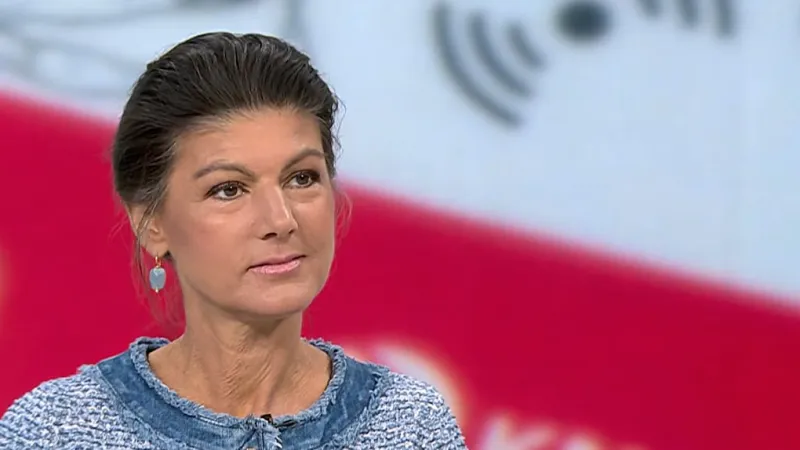
In Berlin, as election campaigns gradually gather momentum across Germany, Sahra Wagenknecht, founder of the Bündnis Sahra Wagenknecht (BSW) party, delivered a scathing critique of the nation's financial commitments to Ukraine during an evening rally. Wagenknecht, addressing a gathering of her supporters, characterized the substantial aid as "madness," arguing that such expenditures divert critical resources from pressing domestic concerns, notably the struggling German pension system.
The populist leader specifically decried what she termed an "endless money" supply for Ukraine, contrasting it sharply with the concurrent necessity for cuts and austerity within Germany's social security framework. "It is madness that we are squandering billions to bribe Mr. Zelensky," Wagenknecht declared, her words resonating with a segment of the electorate increasingly frustrated by economic anxieties and perceived government mispriorities.
Wagenknecht's BSW party, launched with a platform challenging established German political consensus, has consistently positioned itself as a voice for domestic interests. Its core tenets often prioritize social justice and economic stability for German citizens over extensive international commitments, particularly those involving military or financial aid to foreign nations. This stance appeals to voters disillusioned with mainstream parties.
The political landscape in Germany remains highly dynamic, especially with regional and federal elections looming on the horizon. Debates surrounding public spending, the state of the economy, and the allocation of national resources are intensifying. Such public criticisms by figures like Wagenknecht exert considerable pressure on the ruling coalition, compelling a re-evaluation of policy narratives. The ongoing power struggles within established parties, such as the CDU, as highlighted by discussions like Can Friedrich Merz Truly Lead Germany? CDU Power Struggle Intensifies, further underscore the fluidity of the German political scene.
Germany stands as one of the largest contributors of aid to Ukraine, providing significant financial, humanitarian, and military assistance since the full-scale invasion began in 2022. This support is framed by the German government and its allies as a crucial investment in European security, a defense of international law, and a testament to solidarity with a nation fighting for its sovereignty. Billions of euros have been allocated to Kyiv, covering everything from weaponry to infrastructure repair.
However, these extensive international commitments are juxtaposed against significant domestic challenges. The German pension system, like many in aging industrialized nations, faces demographic pressures and sustainability issues. Public discussions frequently revolve around the adequacy of current pension levels and the long-term viability of the system. Reports indicating Germany's Record Social Spending Soars, Wages Lag 4% Amid Economic Fears reveal a broader concern among the populace about economic stagnation and the perceived erosion of living standards.
Wagenknecht's remarks tap into a broader sentiment of public unease regarding the perceived imbalance between foreign aid and domestic investment. Many German citizens, grappling with inflation, energy costs, and concerns about their own future financial security, question the extent to which their tax money is being spent abroad while internal needs appear to be neglected. This populist narrative gains traction by framing aid as a zero-sum game.
The BSW leader's critical comments also carry implications for Germany's standing within international alliances, particularly NATO and the European Union. While Germany remains a staunch member of these organizations, voices like Wagenknecht's challenge the prevailing consensus on collective security and burden-sharing. Debates about Germany's defense posture, including its contributions to European defense initiatives such as the joint NATO command with the Netherlands, as detailed in Germany, Netherlands Forge Joint NATO Command on Eastern Front, are intricate and multifaceted.
The current German government finds itself navigating a complex political tightrope. It must balance its commitments to international partners and its role in global stability with the growing demands and anxieties of its own populace. The allocation of the national budget, particularly amidst fluctuating economic forecasts, becomes a focal point of contention and a key battleground for political parties vying for public trust.
Critics of Wagenknecht's position argue that scaling back support for Ukraine would not only undermine international law but also ultimately destabilize Europe, potentially leading to greater costs down the line. They emphasize that investment in Ukraine's defense is an investment in Germany's own security. This ideological chasm highlights the fundamental differences in foreign policy outlook that define contemporary German politics.
The upcoming electoral cycles will serve as a crucial test for the BSW party's ability to translate its populist rhetoric into tangible political gains. Wagenknecht's strategy hinges on mobilizing voter discontent, particularly among those who feel economically marginalized or politically unrepresented by traditional parties. Her focus on issues like pension security and the perceived extravagance of foreign spending resonates deeply with this demographic.
The long-term impact of such discourse on Germany's welfare state and its foreign policy direction remains to be seen. As the country grapples with an aging population and the imperative for economic modernization, the debate over how best to allocate resources will continue to dominate the political agenda. Wagenknecht's strong statements in Berlin mark an assertive step in this ongoing national conversation.