Edward DP Situmorang
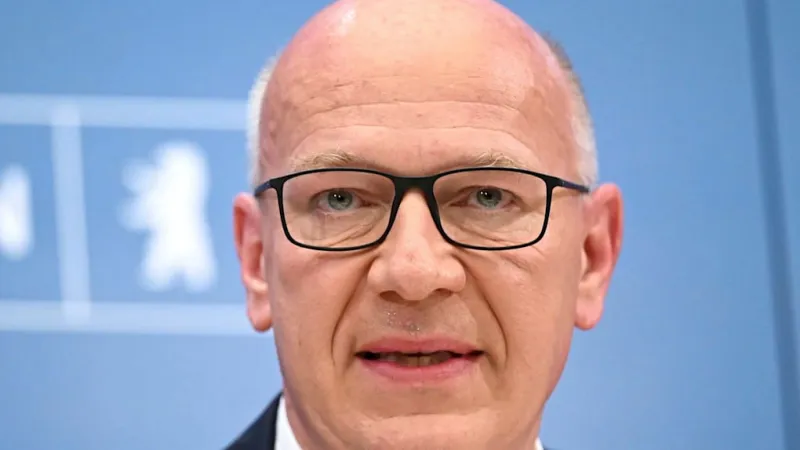
BERLIN - Governing Mayor Kai Wegner has publicly defended his administration's response to a significant January power outage, addressing mounting criticism regarding his communication during the crisis. Appearing on X, formerly Twitter, Wegner detailed specific actions, stating, "I made two phone calls on January 3 before 1 PM," while expressing regret for the negative impression his earlier statements had created.
The Berlin administration, led by Mayor Wegner, has faced renewed scrutiny following reports questioning the transparency and perceived alacrity of its public information strategy during the widespread blackout that affected thousands across the capital earlier this year. Critics from opposition parties and some public commentators have highlighted a perceived lack of immediate, comprehensive updates from the city's leadership.
In his digital statement, Mayor Wegner sought to clarify his personal involvement, emphasizing his efforts on January 3, the day the power grid experienced significant disruptions. His specific mention of "two phone calls before 1 PM" aimed to demonstrate proactive engagement and coordination with relevant authorities or stakeholders.
The Mayor's acknowledgement that he "regretted the impression" caused by his earlier communications underscores the political sensitivity of crisis management. This regret suggests an understanding that public perception of leadership during an emergency is as crucial as the operational response itself, particularly in an era of instant information.
This latest public statement by Wegner comes at a critical juncture for his leadership, as the incident has reignited debates over urban infrastructure resilience and the effectiveness of civil protection protocols in major European capitals. Political observers suggest the controversy tests the administration's capacity for transparent governance.
While the initial power outage itself was eventually resolved, the protracted debate surrounding the official response has lingered, illustrating the enduring impact of perceived communication failures. Details regarding the exact cause or duration of the January blackout remain key points of public discussion and potential future inquiry.
Citizens expect prompt, clear, and empathetic communication from their leaders during emergencies. Delays or perceived silences from high-ranking officials can erode public trust, fostering an environment where speculation thrives and confidence in government responsiveness diminishes.
Instances of public officials facing backlash over crisis communication are not unique, with similar scenarios unfolding in various global cities where infrastructure failures or natural disasters demand immediate and visible leadership. The incident in Berlin adds to a growing dossier of modern urban challenges.
As Governing Mayor of Berlin, Kai Wegner holds a prominent position, and managing such public relations challenges is integral to maintaining political legitimacy. His choice to use X for his defense highlights the platform's role in contemporary political discourse, allowing direct, if sometimes limited, engagement with the electorate.
Opposition factions within the Berlin state parliament have been quick to capitalize on the perceived missteps, demanding greater accountability and more robust crisis communication frameworks. They argue that mere regret is insufficient without concrete steps to prevent future informational vacuums during emergencies.
Calls for a comprehensive review of the January power outage response, including communication protocols, are expected to intensify. Such reviews often aim to identify systemic weaknesses and propose corrective measures to bolster public safety and governmental transparency.
The incident in Berlin echoes broader sentiments seen across Germany regarding political accountability for public services. For instance, a German Lawmaker Demands Probe As Fuel Prices Soar, underscoring a national pattern of legislative pressure for transparency and investigation into critical public issues.
Moving forward, Mayor Wegner's administration will likely face pressure to outline revised emergency communication strategies. This could include designated spokespersons, clearer reporting channels, and proactive public advisories to ensure citizens are better informed during future disruptions.
Failure to adequately address the ongoing concerns could have lasting political ramifications for Wegner and his party, potentially influencing future election outcomes in the German capital. Public memory of perceived governmental negligence can be a powerful electoral force.
The "impression" Wegner regretted was likely one of detachment or a delayed recognition of the severity of the situation from the perspective of affected residents. Rebuilding trust will require consistent, clear communication and demonstrable improvements in crisis response.
Ultimately, the incident serves as a stark reminder for all public leaders: effective communication during a crisis is not just an ancillary task but a core component of leadership, crucial for maintaining social order and public confidence.