 Chris Robert
NABLUS, West Bank – Israeli military forces conducted a significant raid on a town near this northern West Bank city recently, storming homes, as Israeli settlers simultaneously attacked the nearby village of Abu Njeim, firing upon Palestinian vehicles. The coordinated or concurrent actions underscore a severe escalation in regional tensions, prompting fears of wider conflict across the volatile territory.
The Israeli army operation near Nablus involved soldiers entering numerous residences, according to local reports. Residents described a heightened state of alert and fear during the nighttime hours, with accounts of property searches and interrogations conducted by the troops.
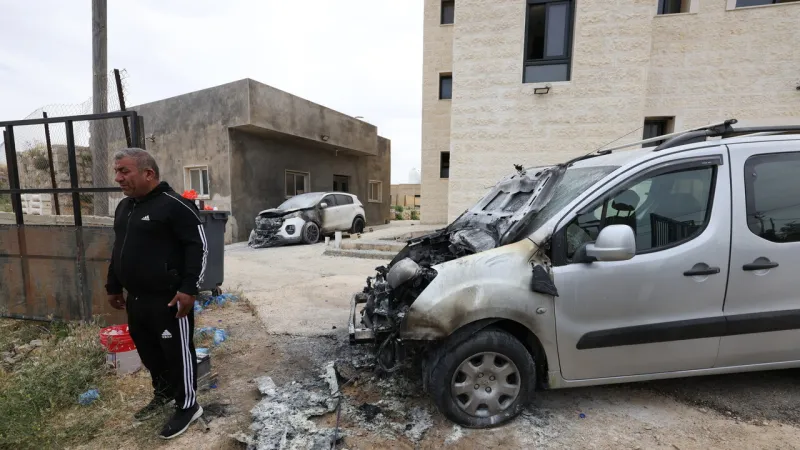
Concurrently, in the village of Abu Njeim, Israeli settlers reportedly initiated an assault, discharging firearms at Palestinian vehicles traversing the area. Eyewitnesses recounted scenes of chaos as residents sought cover from the unprovoked gunfire, which caused material damage to several automobiles.
These incidents represent the latest in a series of violent confrontations that have characterized the West Bank landscape throughout 2026. The region has experienced a significant uptick in both military operations and settler violence, contributing to a deteriorating security situation for Palestinian communities.
The Israeli military typically states such operations are conducted to apprehend suspected militants and dismantle terrorist infrastructure, though no official statement on this specific raid near Nablus was immediately released. Israeli authorities often cite security concerns as the primary justification for their presence and actions in the West Bank.
Palestinian officials swiftly condemned the actions, characterizing them as acts of collective punishment and aggression against civilians. They reiterated calls for international intervention to protect Palestinian residents from what they describe as systematic violations of their rights and safety.
The escalating unrest in the West Bank reflects a deeper trajectory of conflict rooted in decades of occupation and disputed claims to land. Analysts frequently point to the expansion of Israeli settlements and a lack of a clear political horizon as driving factors behind the persistent violence.
The repeated incursions and settler attacks profoundly disrupt the daily lives of Palestinians, affecting everything from freedom of movement to economic stability. Checkpoints, raids, and the constant threat of violence create an atmosphere of severe insecurity for many families.
While specific international reactions to these latest events remain muted, global bodies and human rights organizations have consistently expressed alarm over the humanitarian conditions and persistent violence in the West Bank. The broader regional context, including ongoing tensions in the Middle East, such as the Huthi Retaliation: Missile Barrage Engulfs Saudi Jizan in Flames, adds complexity to any potential resolution.
Observers warn that without a concerted diplomatic effort to de-escalate, the cycle of violence is likely to intensify. The volatile situation in the West Bank stands as a critical flashpoint, capable of igniting broader regional instability at any moment.
The economic repercussions of such prolonged instability are also a significant concern, with organizations like Confindustria previously warning how ongoing conflicts imperil regional economies, raising fears of a credit crunch in affected areas.
Humanitarian agencies operating within the Palestinian territories report a growing need for aid and protection services, as residents cope with the physical and psychological toll of frequent clashes and the erosion of basic safety.
President Donald Trump's administration has largely maintained a policy supportive of Israeli security objectives, with observers watching closely for any shifts in diplomatic engagement that might address the escalating violence in the Palestinian territories.