 Chandra Wijayanto
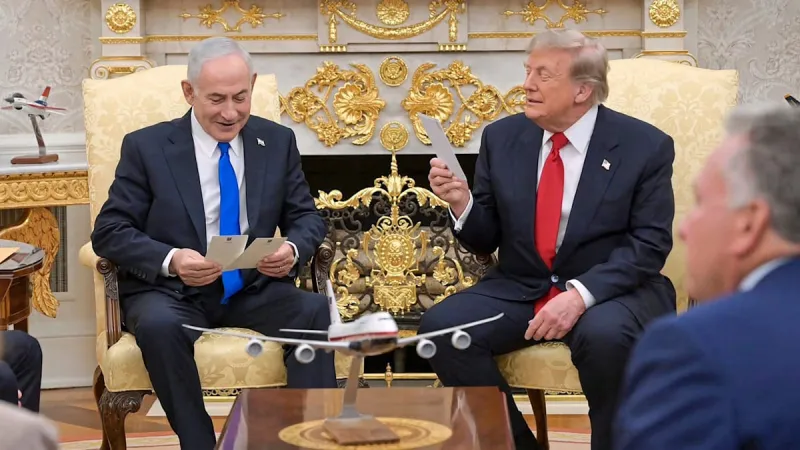
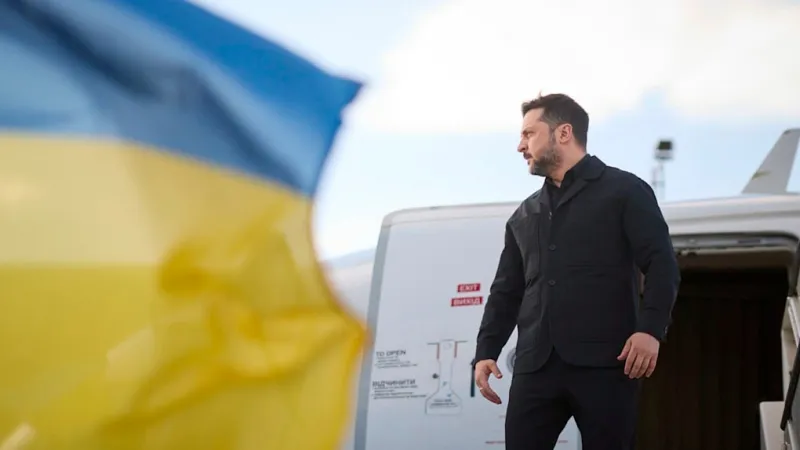
WASHINGTON – President Donald Trump welcomed Ukrainian President Volodymyr Zelensky and Israeli Prime Minister Benjamin Netanyahu to the White House for separate bilateral discussions this week, which administration officials characterized as both positive and productive. The high-profile engagements underscore the United States enduring diplomatic efforts in critical geopolitical regions.
Karoline Leavitt, spokeswoman for President Trump, confirmed the nature of the encounters, stating, "Both meetings were positive and productive." Her remarks offered an immediate assessment of the significant diplomatic efforts undertaken at the executive mansion, signaling successful exchanges with two key international partners.
President Zelensky's visit arrived at a pivotal moment, as Ukraine continues to navigate ongoing geopolitical challenges and secure international support for its sovereignty. Discussions likely centered on sustained military assistance, economic aid, and diplomatic strategies to address regional security concerns, reinforcing the strategic alliance between Washington and Kyiv.
Similarly, Prime Minister Netanyahu's presence in Washington was significant, occurring amidst complex regional dynamics in the Middle East. The Israeli leader's agenda typically involves dialogue on national security, strategic cooperation with the United States, and efforts to foster regional stability, particularly concerning Iran and the broader Arab-Israeli context.
The simultaneous, albeit separate, receptions highlight the intricate balance of President Trump's foreign policy agenda. Managing robust relationships with both Ukraine and Israel reflects Washingtons commitment to its allies while navigating distinct, yet sometimes intersecting, international challenges.
During his meeting, President Trump and President Zelensky are understood to have deliberated extensively on the future trajectory of US-Ukrainian relations. This included reviewing the effectiveness of current aid packages and exploring avenues for bolstering Ukraine's defense capabilities and economic resilience against external pressures.
Conversely, the discussions with Prime Minister Netanyahu likely encompassed strategies for countering emergent threats in the Middle East, including the proliferation of ballistic missile technology and the activities of state-sponsored proxy groups. Such conversations are paramount to safeguarding regional peace and American interests. Earlier reports detailed how US, Saudi Forces Strike Iran-Backed Militias After Rocket Barrage, underscoring ongoing security concerns.
The White House views these bilateral engagements as crucial opportunities to reaffirm strategic partnerships and align on shared objectives. The positive framing from presidential spokeswoman Leavitt suggests that substantive progress was achieved on key issues relevant to each nations security and prosperity.
Observers anticipate that the outcomes of these discussions will inform subsequent policy decisions by the Trump administration, potentially leading to new aid agreements, diplomatic initiatives, or enhanced security cooperation. Such high-level dialogues are foundational to the complex web of international diplomacy.
While specific details of the private conversations were not immediately released, the optimistic tone from the White House indicates a mutual desire to strengthen alliances and address pressing global challenges collaboratively. These meetings are a testament to the continued importance of direct presidential engagement in shaping global affairs.
The administration's consistent emphasis on productive talks suggests a forward-looking approach, aiming to translate diplomatic exchanges into tangible actions. Both leaders departed Washington with a renewed understanding of the American stance and continued commitment.
Such visits are more than symbolic; they represent the ongoing operational aspect of international relations, where personal rapport and direct communication at the highest levels can significantly influence the pace and direction of global events.