 Dorry Archiles
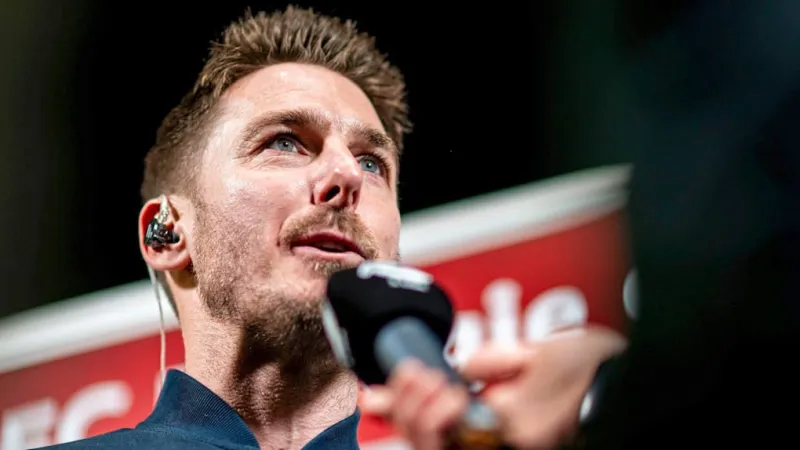
Wolfsburg, Germany — VfL Wolfsburg officially announced the appointment of Tobias Strobl as its new head coach, effective immediately. The 38-year-old tactician, who garnered significant acclaim for his innovative and attractive playing style with SC Verl in the previous season, makes the leap to Germanys top flight, a move signaling a fresh strategic direction for the automotive citys premier football club. The unexpected decision sees Strobl tasked with revitalizing Wolfsburgs fortunes and imprinting his distinct tactical philosophy on the squad.
Strobls ascension to the Bundesliga arrives after a standout tenure with SC Verl. Under his guidance, the third-division club consistently outperformed expectations, drawing praise for its dynamic offense and organized defense. His ability to foster player development and implement a coherent team identity, even with limited resources, positioned him as one of Germanys most promising young coaches. This successful blueprint is precisely what Wolfsburg management hopes he can replicate at a higher level.
The decision to bring Strobl to the Volkswagen Arena follows a period of inconsistent performance for VfL Wolfsburg. While the club maintains a solid infrastructure and a roster of talented players, recent seasons have seen them struggle to consistently challenge for European qualification spots or maintain a strong presence in the upper echelons of the Bundesliga table. The board evidently sought a catalyst, an individual capable of injecting new energy and a clear vision.
Sources close to the club indicate that Strobls modern approach to the game was a key factor in his selection. He is known for favoring a high-pressing system, emphasizing fluid possession, and encouraging creative attacking play. This philosophy contrasts with some of the more pragmatic styles seen in recent years and is expected to resonate with fans eager for more exciting football.
For Strobl, the move represents a significant step up in his career. Transitioning from the 3. Liga to the Bundesliga brings immense pressure and scrutiny, along with substantially greater resources and a higher caliber of opposition. His challenge will be to adapt his proven methods to the demands of elite-level football while managing the heightened expectations of a club with considerable ambition.
The appointment has generated a mixed reaction among German football pundits and supporters. While many acknowledge Strobls potential and his impressive work at Verl, some question whether he possesses the experience necessary to navigate the complexities of the Bundesliga. Others view it as a shrewd, forward-thinking move, investing in a coach who could shape the clubs identity for years to come.
Wolfsburgs history includes periods of significant success, including a Bundesliga title in 2009. The club operates with a strong financial backing, allowing for strategic investments in both player talent and coaching staff. Strobl will inherit a squad that, while underperforming recently, possesses individual quality that could thrive under a new system.
One of the immediate tasks for Strobl will be to assess the current squad and identify areas for reinforcement ahead of the upcoming transfer window. His tactical requirements may necessitate specific player profiles, and the clubs scouting network will work closely with him to align recruitment with his strategic vision.
The competitive landscape of the Bundesliga demands constant innovation. Other German clubs have also faced leadership changes or strategic shifts recently. For instance, the challenges faced by clubs like 1860 Munich, stemming from investor disputes, highlight the diverse pressures within German football. Wolfsburg, however, is positioning itself for a tactical evolution rather than a recovery from administrative turmoil.
Strobls impact will extend beyond just on-field results. His appointment could signal a broader trend in German football towards empowering younger, tactically astute coaches who prioritize attractive, modern play. The emphasis on coherent team structures and dynamic football is increasingly seen as crucial for both domestic success and competitiveness in European competitions.
As pre-season preparations loom, all eyes will be on Tobias Strobl and VfL Wolfsburg. The upcoming campaign will be a true test of his coaching acumen and the clubs willingness to fully embrace a new direction. His success could define the clubs trajectory for the latter half of the 2020s.
The management, in its official statement, expressed full confidence in Strobls capabilities to lead the team to a more consistent and successful future. They highlighted his track record of fostering a winning mentality and his commitment to developing a distinct style of play that can engage fans and deliver results.
Fans are cautiously optimistic, hoping that Strobl can inject the passion and tactical ingenuity that characterized his time at Verl into the Bundesliga setup. The expectation is not merely for improved results but for a more compelling and enjoyable brand of football.
His journey from a rising star in the lower leagues to a Bundesliga head coach reflects a growing trend of clubs looking beyond established names for fresh perspectives. Strobls youth and modern philosophy align with a league that continually seeks to innovate and entertain.
The first few matches under Strobls leadership will provide the initial indicators of whether this bold appointment will usher in a new era of success for VfL Wolfsburg. The focus will be on cohesion, tactical execution, and the teams response to his unique demands.