 Dodi Irawan
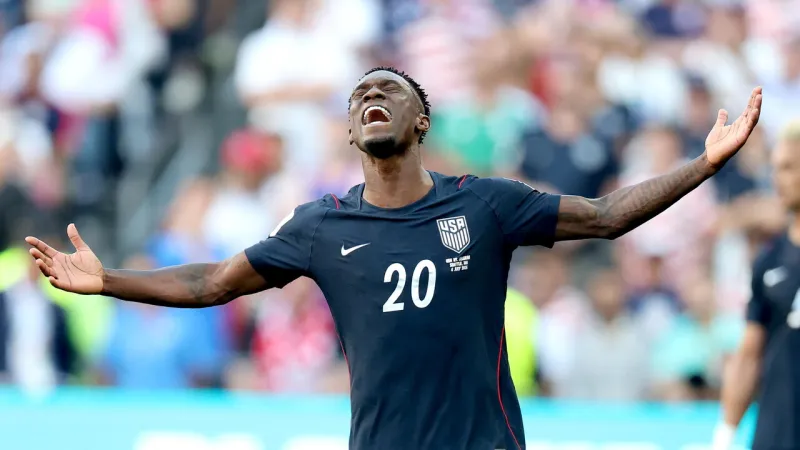
WORLD NEWS – A significant controversy has emerged surrounding a pivotal World Cup player selection, as The Daily Times reports that the commission president, Al Kamali, made a unilateral decision regarding Balogun's inclusion without consulting the other 17 members of the body.
According to the newspaper's findings, Al Kamali bypassed established protocols, moving forward with the selection process independently. This alleged lack of consultation raises serious questions about the transparency and integrity of the decision-making within the highly influential commission responsible for national squad finalization.
The global spotlight of the World Cup amplifies the scrutiny on every aspect of team preparation and player choices. National pride and significant financial stakes hinge on these selections, making the process one of the most critical responsibilities for any governing body.
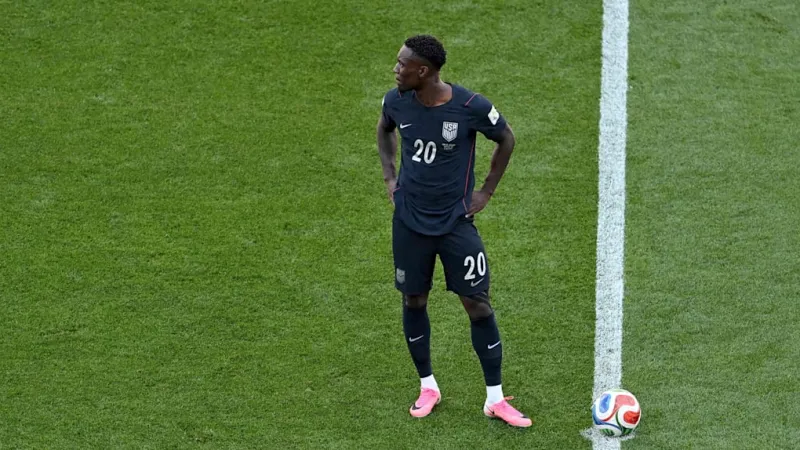
Folarin Balogun, a prominent figure in international football, has consistently demonstrated considerable prowess on the field. His performances often position him as a strong contender for national team representation, making any decision about his World Cup status a matter of intense public and media interest.
Typically, such high-stakes player selections are the result of extensive deliberation and consensus among a diverse committee. Members contribute insights into player form, tactical fit, and team dynamics, aiming for a decision that best serves the national team's interests.
The Daily Times specifically detailed that Al Kamali proceeded without gathering input from his 17 colleagues. This assertion, if verified, suggests a significant departure from standard governance practices and could indicate a serious breach of organizational trust.
Such a unilateral action could sow discord among committee members and potentially undermine the collective authority of the commission. The credibility of future decisions may also come under question, fostering an environment of mistrust within the sporting hierarchy.
Observers and sports analysts are now contemplating the potential motivations behind Al Kamali's alleged solo maneuver. Reasons could range from perceived efficiency to a firm personal conviction about the player's suitability, though none have been officially disclosed or confirmed.
The report from The Daily Times serves as a critical piece of sports journalism, bringing to light an internal matter that has broad implications for fairness and due process in football governance. Such revelations underscore the vital role of independent media in upholding accountability within powerful institutions.
Reactions from the unconsulted committee members remain largely unconfirmed, though speculation abounds regarding their potential dissatisfaction or plans to address the reported procedural irregularity. The absence of public statements from these individuals only fuels further conjecture.
The controversy extends beyond a single player's fate; it touches upon the fundamental principles of collegiate decision-making and ethical leadership in sports. Organizations worldwide grapple with ensuring that crucial choices are made with robust oversight and transparent methods.
As the sports world awaits further developments, the focus will intensify on the official responses from the commission and any potential repercussions for Al Kamali. The resolution of this matter could set a precedent for future governance standards in international football.