 Debby Wijaya
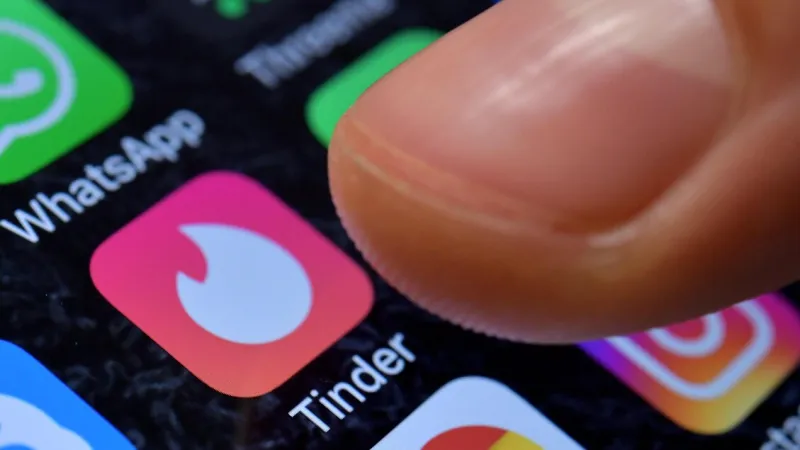
The global excitement surrounding the 2026 World Cup has catalyzed a significant surge in online social engagement, with dating application Tinder reporting a remarkable 47% increase in user activity worldwide. This unprecedented boost reflects how major sporting events transcend traditional entertainment, fostering new avenues for connection and social interaction among fans across continents.
The substantial rise in Tinder usage indicates a broader trend of digital platforms integrating into shared cultural experiences. Data analytics reveal that the peak in activity directly coincided with the most anticipated matches and knockout stages of the tournament, suggesting a direct correlation between on-field drama and off-field social interaction.
Among the metropolitan areas experiencing the most pronounced spikes in user searches and interactions were major United States hubs: New York, Los Angeles, Boston, and Miami. These cities, known for their diverse populations and fervent sports fan bases, became focal points for new digital connections as residents sought to engage with the World Cup buzz.
Further south, Monterrey, Mexico, also emerged as a significant hotspot for increased Tinder activity. This underscores the pan-American reach of the World Cup phenomenon and its direct impact on digital social dynamics across varying cultural landscapes, uniting fans across borders.
Experts suggest that the collective euphoria and shared emotional investment in the World Cup provide a unique social lubricant. People are more inclined to connect with others who share their enthusiasm, creating an immediate common ground for conversation and potential relationships that might otherwise be more challenging to initiate.
Indeed, the World Cup, as a truly global spectacle, inherently encourages cross-cultural interaction. Tinder, by its very nature, facilitates connections between individuals who might not otherwise meet, thereby amplifying the international spirit of the tournament and fostering a sense of global community.
The intense competition and dramatic narratives emerging from the tournament, as seen in crucial matches involving powerhouses like France, Germany, and Brazil, likely contributed to heightened social energy. The shared experience of cheering for national teams or witnessing upsets creates a communal bond that extends beyond the stadium to digital spaces.
For Tinder and its parent company, Match Group, this surge presents a significant, albeit temporary, boon in engagement metrics. It highlights the app's robust capacity to capitalize on real-world events to drive user interaction and potentially convert newfound curiosity into sustained user loyalty.
This phenomenon is not entirely isolated. Previous large-scale events, from music festivals to political conventions, have also shown similar, though perhaps less dramatic, spikes in location-based social app usage. The World Cup, however, offers a sustained period of global interest, making its impact particularly noteworthy.
The data offers valuable insights into the evolving landscape of digital social networking and how global events shape human connection in the 21st century. It reinforces the notion that shared experiences, even those viewed remotely, can powerfully influence online behavior and forge unexpected bonds.