 Angel Doris
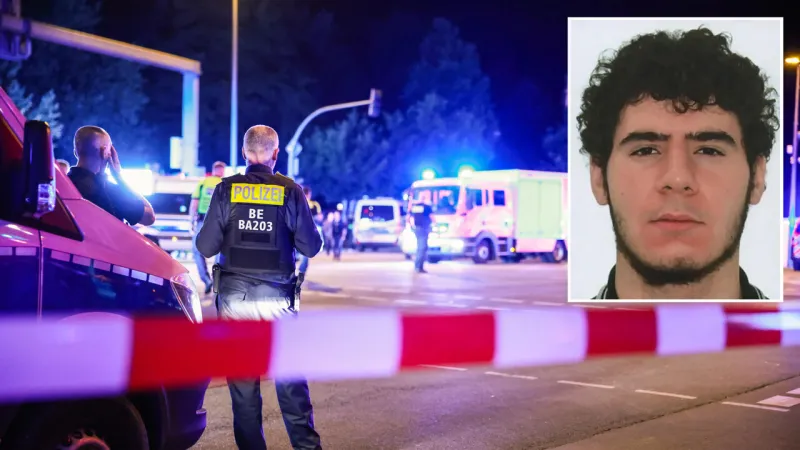
BERLIN - German authorities have launched an intensified manhunt for Abdul Ballout, a 21-year-old individual identified as the prime suspect in a deadly attack on the city's annual Pride parade. Ballout, reportedly a supporter of the Islamic State and recently released from a reformatory in May, is believed responsible for the violence that marred one of Europe's largest LGBTQ+ celebrations.
The swift identification of Ballout has galvanized law enforcement agencies across Germany, with police issuing a nationwide alert. The incident occurred during the Christopher Street Day, or CSD, parade, a vibrant demonstration for LGBTQ+ rights that draws hundreds of thousands annually to the German capital. This year's festivities tragically transformed into a scene of terror.
Ballout's background raises significant concerns. His release from a reformatory institution just months prior to the attack suggests a critical failure in monitoring or rehabilitation efforts. Investigators are now scrutinizing the circumstances of his release and any potential signs of radicalization during his detention.
Authorities have not yet specified the exact nature of the attack, but related reports indicate a vehicle-ramming incident, a tactic frequently employed in terror attacks across Europe in recent years. This method aims to maximize casualties in crowded public spaces, amplifying the psychological impact on communities.
Interior Minister Nancy Faeser addressed the nation, vowing that justice would be swift and unwavering. She emphasized the government's commitment to protecting its citizens from such heinous acts, particularly those targeting vulnerable communities and symbols of democratic freedom. Her office has pledged full support to the ongoing investigation.
The search for Ballout is complicated by the inherent challenges of tracking individuals who may operate within clandestine networks or exploit existing loopholes. Law enforcement officials acknowledge the immense pressure to apprehend him quickly, especially given his alleged ties to the Islamic State, a designated terrorist organization.
This incident has reignited calls for a reevaluation of Germany's counter-terrorism strategies and the effectiveness of deradicalization programs within the penal system. Critics point to the fact that a known individual with a history of detention could allegedly orchestrate such a high-profile attack so soon after release.
For the LGBTQ+ community in Germany and beyond, the attack represents a profound shock and a stark reminder of persistent threats. Leaders of various LGBTQ+ organizations have condemned the violence, asserting their resolve to continue advocating for equality and safety, despite attempts to instill fear.
As the manhunt for Abdul Ballout continues, the focus remains on leveraging every available resource to bring him to justice. The police have urged the public to remain vigilant and report any suspicious activities or information that could lead to his capture. Further details regarding Ballout's movements leading up to the attack are gradually emerging from the ongoing investigation.
The broader implications for public safety at large-scale events are also being discussed. Security experts suggest that such attacks necessitate a constant adaptation of protective measures, balancing public accessibility with necessary vigilance. The resolve to maintain open, celebratory spaces is now being tested.
Many in Germany and abroad are closely following the developments in the deadly Berlin Pride Attack. The incident underscores the pervasive threat of religiously motivated extremism targeting marginalized groups and public freedoms. The search continues for the 21-year-old Islamist suspect on the run.
Concerns have also surfaced regarding the impact of certain data protection regulations on the speed and efficiency of the investigation. Some officials argue that existing laws might inadvertently stymie justice amid the suspect hunt by hindering rapid information sharing crucial in terror cases.
The Berlin CSD attack has prompted a significant political outcry, with leaders across the spectrum condemning the violence and demanding accountability. There is a unified call for strengthening terror defense mechanisms and ensuring that such an incident cannot be repeated. This includes reviewing security protocols for all major public gatherings.
The city of Berlin, known for its vibrant diversity and progressive values, stands united against this act of terror. Vigils and solidarity gatherings have been held across the capital, demonstrating the community's resilience and its refusal to be intimidated by extremist violence. The search for Ballout remains a top national priority.
The investigative teams are piecing together Ballout's activities since his release, including his social media footprint and any connections he may have maintained with extremist circles. The goal is to understand the full scope of his alleged plot and identify any accomplices who may have facilitated his actions.
Authorities are working tirelessly to secure the safety of all residents and visitors, while simultaneously pursuing all leads in the hunt for Abdul Ballout. The government remains committed to upholding the principles of freedom and tolerance that the attack sought to undermine.