 Chris Robert
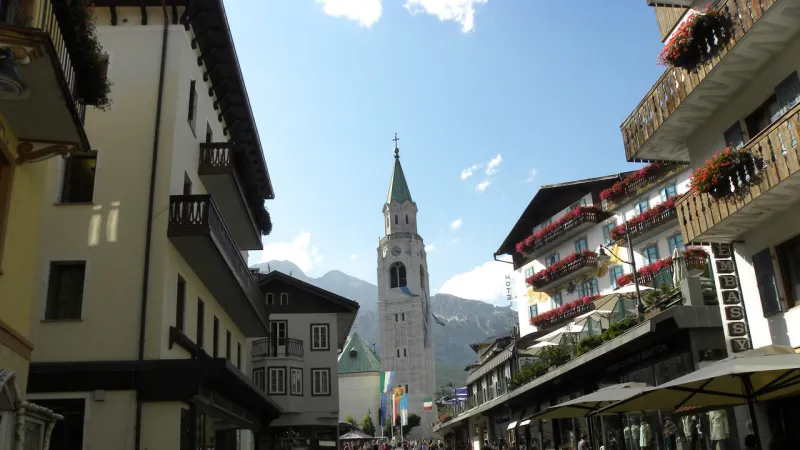
Cortina d'Ampezzo, Italy faces a deepening housing crisis, rendering the picturesque Dolomite resort unaffordable for its essential workforce and leading to a significant demographic shift. The local municipality is grappling with the challenge of securing suitable accommodation for its employees, even as a Ukrainian family was recently evicted from their home, underscoring the severe pressures on the housing market. This predicament threatens the very fabric of the city, transforming it into a locale increasingly reserved for the wealthy while pushing out those who maintain its services.
The economic dynamics of Cortina, renowned globally for its luxury tourism and upcoming Winter Olympics, have created an unsustainable environment for average income earners. Property values have soared, driven by a relentless demand for holiday homes and investment properties, far outpacing the wages of local workers. This upward spiral in housing costs means that many essential service providers can no longer afford to live within the city they serve.
Hospitality workers, healthcare professionals, shopkeepers, and administrative staff find themselves commuting long distances or relocating entirely to more affordable neighboring towns. This exodus depletes the local talent pool and strains public services, making it difficult for businesses to recruit and retain employees. The vibrant community life that once characterized Cortina is slowly eroding as residents are priced out.
The municipal administration acknowledges the severity of the situation and has initiated efforts to address the housing shortage for its own employees. These initiatives aim to construct or designate affordable units, yet progress remains slow against the tide of market forces and bureaucratic hurdles. The scale of the problem demands comprehensive and swift action to prevent further deterioration of the local economy and social structure.
Adding a poignant human element to the crisis, a Ukrainian family, who had found refuge in Cortina, recently faced eviction from their residence. This incident highlights the broader vulnerability faced by residents who do not own property or possess significant financial resources in an overheated market. Their displacement serves as a stark reminder of the indiscriminate impact of the housing crunch.
Experts suggest that the challenges in Cortina d'Ampezzo are not isolated but reflect a growing trend across popular tourist destinations in Europe. Venice, Florence, and many Alpine villages confront similar issues, where the influx of tourism and short-term rentals pushes long-term residents and workers out of their communities. This phenomenon risks turning culturally rich towns into transient resorts devoid of a permanent, working population.
The long-term implications for Cortina are profound. A city without a stable working population struggles to maintain its infrastructure, cultural institutions, and daily life services. Schools may close due to lack of students, local businesses might fail without a consistent customer base, and the unique identity of the region could be irrevocably altered.
Addressing the Cortina housing crisis requires a multi-pronged strategy. This includes regulatory measures to control rental prices, incentives for developers to build affordable housing, and potentially stricter oversight on short-term rental platforms. Public-private partnerships could also play a crucial role in funding and executing housing projects tailored to the needs of the local workforce.
The community faces a critical juncture. Without effective interventions, Cortina d'Ampezzo risks losing its soul, transforming from a vibrant mountain town into a picturesque, yet ultimately hollow, playground for the ultra-rich. The 'war of houses' has stark consequences, demanding urgent attention from local and regional authorities alike.
The story of Cortina serves as a cautionary tale for other global destinations struggling with the balance between tourism prosperity and community sustainability. Maintaining a diverse economic and social ecosystem is paramount to the long-term health and authenticity of such iconic locations. The future of Cortina depends on whether its leaders can prioritize the needs of its people over unchecked market forces.