Gabriella
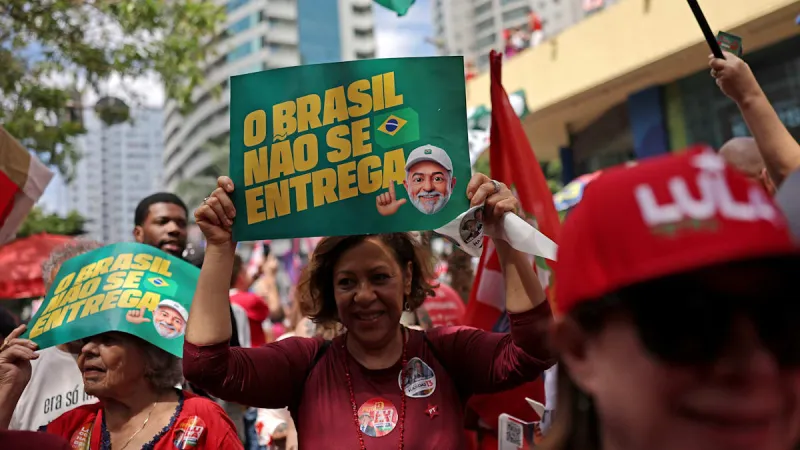
BRASILIA – Brazil stands on the cusp of a deeply polarizing presidential election, with incumbent leftist President Luiz Inácio Lula da Silva facing a formidable challenge from right-liberal candidate Flavio Bolsonaro. The highly anticipated contest arrives amidst widespread national divisions, as recent polls indicate both contenders are virtually neck-and-neck, setting the stage for a dramatic political culmination.
The razor-thin margin suggested by recent surveys underscores the profound ideological chasm permeating the South American nation. Voters must choose between two distinct visions for Brazil's future, one rooted in traditional left-wing social programs and the other advocating for a more market-oriented, conservative agenda.
President Lula da Silva, a veteran political figure, seeks to consolidate his return to power following a historic political comeback. His platform emphasizes social welfare initiatives, poverty reduction, and environmental protection, particularly concerning the Amazon rainforest. Supporters laud his previous administration's efforts to lift millions out of poverty.
Conversely, Flavio Bolsonaro, a prominent voice within the right-liberal movement, campaigns on a platform prioritizing economic liberalization, public safety, and conservative social values. His base frequently champions individual freedoms and a strong stance against perceived corruption and socialist influences.
The current political climate reflects a historical pattern of sharp ideological divides within Brazil. The upcoming election is not merely a contest of personalities but a referendum on divergent national paths, echoing sentiments from previous tumultuous political cycles. Indeed, this closely mirrors the intensity described in previous analyses such as Brazil Nears Pivotal Election: Lula, Bolsonaro Jr. in Tight Race.
Campaign activities have intensified across the vast country, marked by passionate rallies, extensive social media engagement, and fierce debates. Both campaigns vigorously mobilize their respective bases, aware that voter turnout will prove critical in such a finely balanced race.
Economic stability remains a paramount concern for many Brazilian voters. Inflation, unemployment, and the cost of living have significantly influenced public discourse, with each candidate proposing differing strategies to revitalize the national economy.
Beyond economics, social issues like healthcare, education, and the justice system also dominate the campaign narrative. Cultural divisions, often exacerbated by digital media, have contributed to the polarization, making compromise difficult for political factions.
Brazil's immense geographical and demographic diversity means that regional allegiances play a substantial role. Voters in the industrial south often hold different priorities than those in the agricultural heartland or the urban centers of the northeast, adding layers of complexity to the national vote.
The election draws considerable international scrutiny, given Brazil's status as Latin America's largest economy and a significant player in global environmental policy. World leaders and financial markets closely watch the proceedings, anticipating the potential geopolitical and economic repercussions of the outcome.
Observers worry about the potential for social unrest or challenges to election results, particularly given the high stakes and the deeply polarized electorate. Ensuring a peaceful and legitimate transfer of power remains a key concern for democratic institutions.
Regardless of the outcome, the fundamental challenge for the next Brazilian president will be to bridge the deep divides that have characterized the nations political landscape. Upholding democratic principles and fostering national unity will be crucial for sustained progress.