 Dodi Irawan
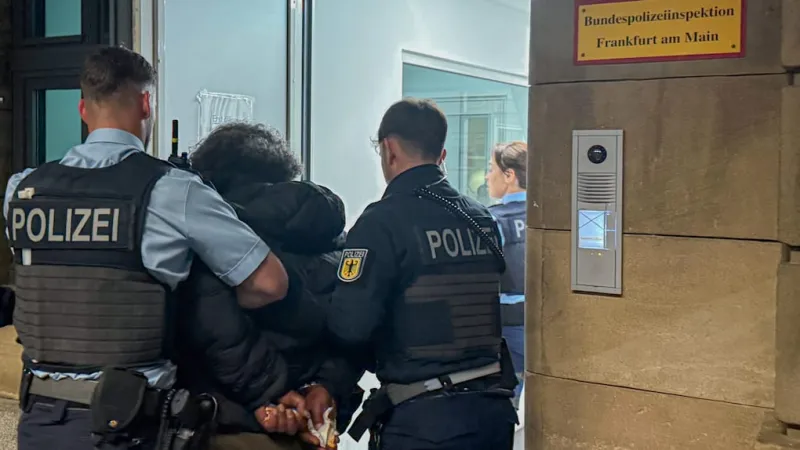
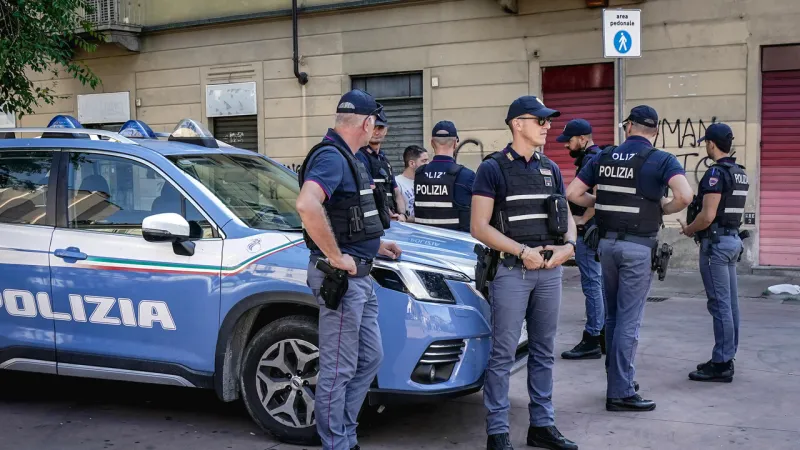
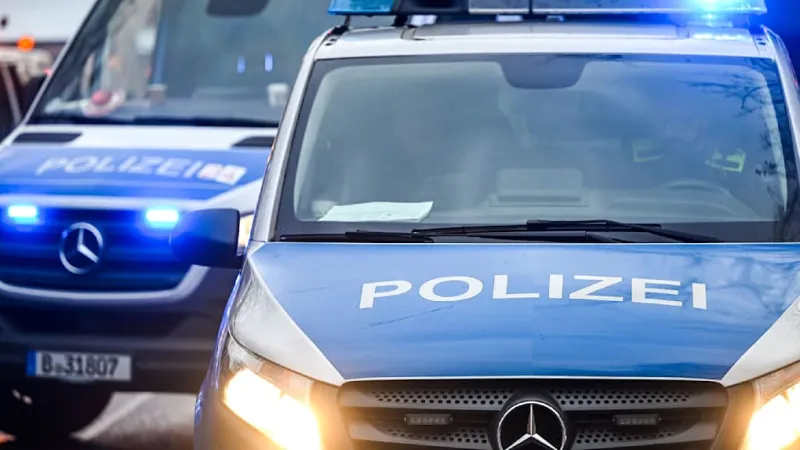
FRANKFURT — Federal Police forces recently increased their nighttime patrols at Frankfurt Hauptbahnhof, a central transport hub that has regrettably become synonymous with an entrenched open drug scene and pervasive criminality for many years. Officers from the Bundespolizei undertook a series of targeted operations, as documented by WELT AM SONNTAG, to enforce stringent alcohol and weapons prohibitions and reclaim public spaces from illicit activities that have consistently plagued the area.
The intensified police presence directly addresses the station's notoriety as a critical crime hotspot within Germany. This concerted effort seeks to dismantle the open drug market that flourishes in and around the station premises, alongside combating associated violent and property crimes that deter commuters and visitors alike.
For over a decade, Frankfurt Hauptbahnhof has struggled with a persistent challenge: an environment where drug dealing and consumption occur openly, creating an intimidating atmosphere. This historical context underscores the deep-rooted nature of the problems confronting law enforcement in one of Europe's busiest railway stations.
The pervasive issues at the station have profound implications for public safety and the city's reputation. Residents and travelers frequently express concerns over personal security, leading many to avoid certain sections of the station or seek alternative routes, despite its crucial role in regional and national transit networks.
During the observed night shifts, officers methodically checked individuals, confiscated illegal substances, and enforced the bans on alcohol and weapons. This proactive approach aims not only to apprehend offenders but also to establish a visible and deterrent police presence, signaling a shift in how the area is managed.
Law enforcement faces significant hurdles, including the transient nature of the population frequenting the station, the complex social issues underpinning drug addiction, and the constant influx of new individuals into the scene. These factors contribute to a cyclical challenge that requires sustained effort beyond mere patrols.
The situation at Frankfurt Hauptbahnhof mirrors broader societal and security concerns in Germany's urban centers. Issues of public order, urban safety, and migration continue to be central topics of national debate, influencing political discourse and law enforcement strategies. For instance, similar challenges related to infrastructure security have been observed elsewhere, such as when Munich Airport Shut Down After a Rogue Drone Created Airspace Chaos, highlighting vulnerabilities in major transport hubs.
The persistent drug scene and crime rates at significant public spaces like the Frankfurt main station often become focal points in political discussions about immigration and internal security. Groups like the AfD have frequently used such incidents to advocate for more stringent policies, including demands for asylum halts and radical shifts in public order approaches, as seen in their calls for AfD Demands Berlin Asylum Halt, Signalling Radical Policy Shift.
Addressing the multifaceted problems at Frankfurt Hauptbahnhof requires more than just police action. Collaboration among city authorities, social services, and railway operators is crucial for long-term solutions, integrating crime prevention with social support for vulnerable populations. The Bundespolizei emphasizes that their patrols are part of a larger, ongoing strategy.
While immediate impacts of increased patrols include arrests and confiscations, the ultimate goal remains to transform Frankfurt Hauptbahnhof from a perceived zone of fear into a safe and welcoming gateway for all who traverse its platforms. The commitment to sustained vigilance underscores the gravity of the challenge and the resolve to restore order.