 Demian Sahputra
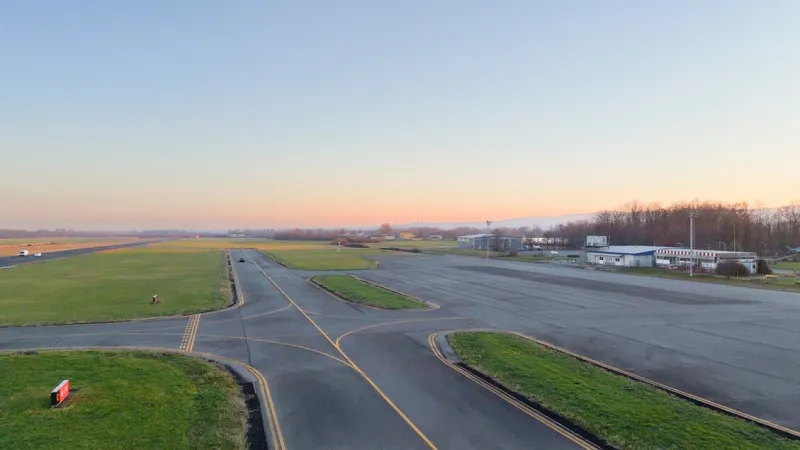
The Munich Franz Josef Strauss Airport (MUC), one of Europe's busiest aviation hubs, abruptly suspended all flight operations early Monday afternoon following the confirmed sighting of an unauthorized drone within its restricted airspace. The unprecedented move grounded numerous international and domestic services, leading to widespread cancellations and significant delays that impacted thousands of travelers. Authorities have initiated an urgent investigation into the drone incident, though officials indicated that the duration of the airport closure remains undetermined.
The disruption commenced when air traffic controllers detected an unidentified unmanned aerial vehicle operating perilously close to the runways and designated flight paths. Standard safety protocols mandated an immediate halt to all takeoffs and landings to avert any potential collision, posing a severe threat to aircraft and passenger safety. The presence of the drone necessitated a thorough search of the perimeter and a reevaluation of the airspace to ensure no further unauthorized activity.
Airport spokesperson, Sarah Mueller, released a statement acknowledging the severity of the situation. While declining to provide specific details regarding the drone's appearance or operator, she emphasized the airport's paramount commitment to safety. Mueller stated that operations would not resume until the airspace was declared entirely secure and free from any threats, aligning with stringent national and international aviation guidelines.
Travelers reported scenes of confusion and frustration within the terminals as departure boards lit up with cancellations. Many passengers were left scrambling for alternative arrangements, with limited options available for rebooking flights or securing accommodation. Airlines are working diligently to accommodate affected customers, but the ripple effect of the closure is expected to extend for days across the European air travel network.
This incident underscores the growing challenge posed by unauthorized drone operations near critical infrastructure. Such occurrences highlight vulnerabilities in existing airspace security measures, prompting calls for more robust detection and interdiction technologies. Aviation experts have long warned about the potential for drones to disrupt airport operations, ranging from accidental incursions to more malicious acts.
The situation in Munich draws parallels to past incidents, most notably the widespread chaos at London's Gatwick Airport in December 2018. During that event, repeated drone sightings forced a 36-hour shutdown, affecting over 140,000 passengers and hundreds of flights. The Munich disruption serves as another stark reminder of the vulnerability of modern air travel to relatively simple, yet highly impactful, unauthorized drone activity.
Current German regulations, in line with European Union directives, strictly prohibit the operation of drones near airports and other sensitive areas. Violators face substantial fines and potential imprisonment, reflecting the serious safety risks involved. Despite these deterrents, incidents continue to occur, raising questions about enforcement and public awareness.
The broader context of drone threats extends beyond accidental incursions. Governments worldwide are grappling with the malicious use of drones, from surveillance to potential delivery of harmful payloads. For example, recent reports detailed a Russian drone strike injuring two in Romania, highlighting the diverse challenges posed by these aerial vehicles, whether military or civilian, when misused. This broad spectrum of threats necessitates constant vigilance and technological advancement in counter-drone systems.
The economic fallout from such closures is substantial. Beyond the immediate costs to airlines from grounded aircraft and passenger compensation, there are broader impacts on logistics, tourism, and business travel. Each hour of closure at a major hub like Munich can translate into millions of euros in lost revenue and economic activity. The uncertainty surrounding the reopening only exacerbates these financial pressures.
As the investigation progresses, authorities are working to identify the drone operator. This crucial step is vital not only for prosecution but also for understanding the intent behind the incursion and preventing future incidents. The Federal Police, responsible for airport security, have deployed additional personnel and specialized equipment to monitor the airspace surrounding MUC.
The German federal government has previously committed to enhancing drone detection and mitigation capabilities at its major airports. This incident will likely accelerate discussions and investments in advanced technologies designed to identify, track, and safely neutralize unauthorized drones before they pose a threat to air traffic. The delicate balance between allowing recreational and commercial drone use and ensuring public safety remains a persistent challenge for policymakers.
Until the airspace is confirmed clear and secure, flights will remain suspended, leaving thousands of passengers in limbo. The aviation industry watches closely as Munich authorities work to resolve this pressing security breach, underscoring the dynamic and evolving nature of threats to air travel in 2026. The need for a cohesive, technologically advanced approach to airspace security has never been more evident.