 Dodi Irawan

BERLIN – German emergency medical personnel are implementing stringent security measures, including immediate police notification, when individuals identified as members of organized crime clans require hospital treatment, a frontline nurse recently revealed. This protocol addresses the perceived challenges and risks associated with providing care to certain young Arab men.
The emergency nurse, whose identity remains protected for security reasons, described an “enormous effort” undertaken by medical facilities across Germany. This effort significantly elevates the standard procedures when specific surnames, known to be associated with prominent clan structures, appear on admission forms.
According to the healthcare professional, the presence of clan members often necessitates a heightened state of vigilance among hospital staff. Past incidents, while not explicitly detailed by the nurse, reportedly included intimidation, disruption, and an environment of unease that compromised both patient care and staff safety.
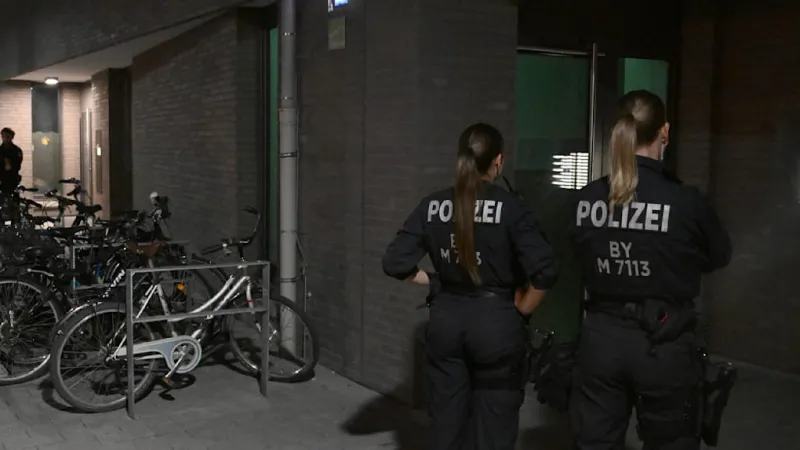
“As soon as certain surnames are mentioned, we involve the police,” the nurse stated, underscoring a systemic response rather than isolated incidents. This proactive measure aims to mitigate potential conflicts or security breaches before they escalate within the sensitive environment of a medical facility.
The policy extends beyond just known clan names. The nurse elaborated that particular precautions are often taken when young Arab men seek medical attention, acknowledging the delicate balance between non-discriminatory care and practical security concerns. This suggests a broader context of profiling based on perceived group affiliations.
Hospitals, by their very nature, strive to be places of refuge and healing, yet they are increasingly grappling with external societal challenges. The implementation of such extraordinary security protocols highlights a growing strain on public services in managing complex social dynamics.
This trend aligns with broader discussions in Germany concerning public order and the integration of certain communities. Authorities have long focused on combating organized crime, including clan-based networks, which are often implicated in various illicit activities.
For medical staff, these measures translate into additional burdens and increased stress. Emergency rooms, already operating under pressure, must now factor in potential security threats alongside their primary responsibilities of patient diagnosis and treatment.
The explicit mention of police involvement from the outset signifies a shift in how some German hospitals manage high-risk patient demographics. It moves beyond internal security personnel to external law enforcement, indicating the perceived severity of the threat.
Critics might raise concerns about potential discrimination or stigmatization based on ethnicity or surname. However, the nurse’s account emphasizes a response rooted in practical experience and the imperative to maintain a safe working environment and ensure the security of all patients and staff.
Ensuring hospital security remains a paramount concern for administrators. These enhanced protocols represent a pragmatic adaptation to complex realities faced by frontline workers. The goal is to safeguard the medical environment without compromising the ethical commitment to provide care to everyone in need.
Further reports from various German cities have occasionally highlighted similar challenges in public services, from schools to municipal offices, indicating that hospitals are not isolated in experiencing these difficulties. This narrative contributes to an ongoing national dialogue about public safety and social cohesion.
This evolving situation underscores the multifaceted pressures on Germany's public institutions. They face the dual mandate of delivering essential services while simultaneously navigating and responding to persistent societal challenges, often with limited resources and complex legal considerations.
The revelations from the emergency nurse provide a candid glimpse into the difficult operational decisions being made on the ground. These are decisions driven by a need to protect vulnerable environments and the professionals who serve within them, amidst an increasingly complex social landscape.
The commitment to ensuring that hospitals remain sanctuaries for healing continues, even as the methods to achieve this adapt to modern challenges. The involvement of law enforcement signals a serious, albeit reluctant, acknowledgment of specific security threats.
This ongoing development prompts questions about preventative strategies and community engagement programs that could reduce the need for such drastic security measures in the future. The conversation must extend beyond reactive policing to proactive social solutions.
Ultimately, the account from the emergency nurse serves as a stark reminder of the broader societal issues that manifest in unexpected places, demanding innovative and sometimes controversial responses from public service providers.