 Angel Doris

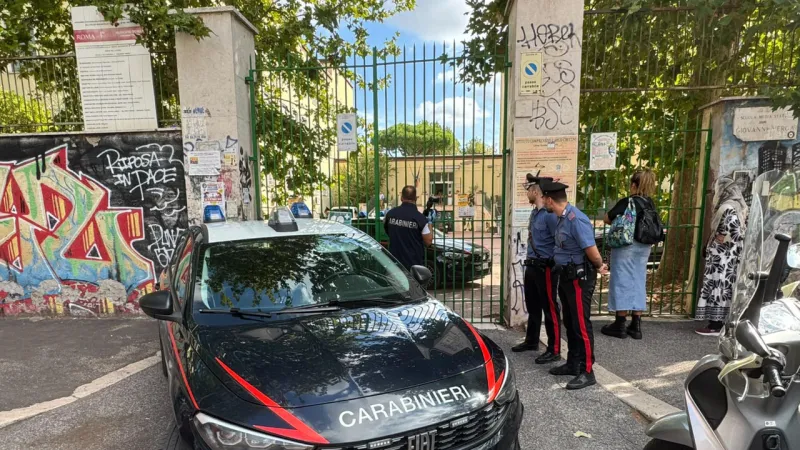
Authorities in Germany have confirmed the search of Salafist influencer Hanna Hansen's apartment in North Rhine-Westphalia, probing allegations that she displayed symbols of unconstitutional organizations, specifically those linked to Hamas. The raid, part of an ongoing investigation, underscores the nation's stringent stance against the promotion of banned groups.
The action was corroborated by multiple official sources, including North Rhine-Westphalia Interior Minister Herbert Reul and the Cologne Public Prosecutor's Office. Hansen herself acknowledged the police presence at her residence, though details regarding the seized materials or specific evidence remain under official wraps.
Under German law, the public display or dissemination of symbols from organizations deemed unconstitutional, including designated terrorist groups like Hamas, carries significant legal penalties. This legislation aims to prevent the glorification or promotion of ideologies that challenge the democratic order.
The militant group Hamas, which governs the Gaza Strip, has been officially banned in Germany since November 2023 following its brutal attacks on Israel in October 2023. This prohibition extends to all activities, including the use of its symbols, fundraising, and public support.
Hanna Hansen, known for her online presence and affiliations with Salafist circles, has been a figure of interest to German security agencies. Her social media channels often feature content that, according to critics, skirts the boundaries of permissible speech within the country's legal framework.
While specific items recovered during the search were not immediately disclosed, such operations typically involve the seizure of electronic devices, propaganda materials, and any other evidence pertinent to the alleged offense. The warrant would have been issued based on probable cause established by investigators.
Interior Minister Reul has consistently emphasized the importance of a resolute approach against extremism, regardless of its ideological roots. He has publicly stated that authorities will vigilantly pursue individuals who violate laws designed to protect public order and national security.
The Cologne Public Prosecutor's Office is now tasked with evaluating the evidence collected during the raid. Their review will determine whether formal charges will be filed against Hansen for the alleged use of prohibited symbols. The judicial process is expected to follow standard procedures for such cases.
This incident highlights the ongoing challenges European nations face in monitoring and regulating online content, particularly when it pertains to extremist ideologies. The digital sphere provides a vast platform for individuals to disseminate messages that may contravene national laws designed to counter radicalization.
The case is likely to spark renewed public discussion in Germany regarding freedom of expression versus the limits imposed by national security concerns, especially concerning symbols associated with groups designated as threats to peace and constitutional order. The sensitivity surrounding the display of such symbols remains high.
If found guilty, Hansen could face fines or imprisonment, depending on the severity and extent of the alleged symbol use. The legal system provides for an appeal process, ensuring due diligence in legal proceedings.
The authorities' swift action against Hansen underscores Germany's unwavering commitment to enforcing its laws against the promotion of banned organizations, sending a clear message that such activities will not be tolerated within its borders.