 Angel Doris
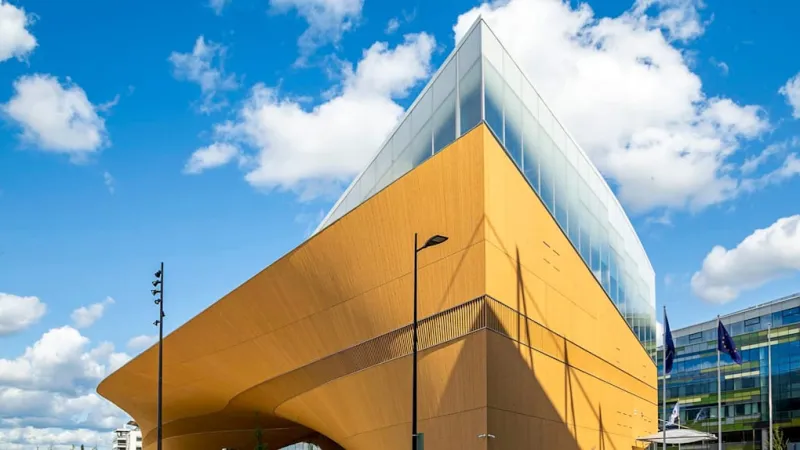
Helsinki, Finland's dynamic capital, consistently earns accolades as one of the happiest cities worldwide. This enduring reputation stems from a holistic urban design philosophy that intricately weaves together groundbreaking architecture, practical public spaces, and an inherent respect for the surrounding natural environment, offering residents and visitors alike a profound sense of well-being.
Finland, the nation Helsinki calls home, has repeatedly topped the United Nations World Happiness Report. This national characteristic is palpably manifest in its capital, where thoughtful city planning and a commitment to communal welfare translate into a high quality of life that underpins its residents contentment.
At the core of Helsinkis identity is a celebration of design and architecture, not merely as aesthetic elements but as fundamental components of everyday living. The city functions as a sprawling canvas where form meets function, shaping experiences from grand public institutions to intimate neighborhood spaces.
The legacy of Alvar Aalto, the seminal Finnish architect and designer, profoundly influences Helsinkis landscape. His pioneering work in modernism, characterized by organic forms, natural materials, and an emphasis on human-centric design, laid a philosophical groundwork that continues to inspire contemporary urban development.
Beyond grand structures, Finnish design permeates daily life through brands like Marimekko. Known for its bold patterns and vibrant colors, Marimekko embodies a playful yet functional approach to textiles and home goods, reflecting a national appreciation for beauty that is both accessible and uplifting.
The Temppeliaukio Church, often referred to as the Rock Church, stands as a striking example of Helsinkis architectural ingenuity. Carved directly into solid rock, its copper-domed interior floods with natural light, offering an acoustically superb and spiritually serene sanctuary that seamlessly blends with its geological surroundings.
Another architectural jewel is the Oodi Central Library, a modern marvel that transcends the traditional library concept. Designed as a living room for the city, Oodi offers not only books but also recording studios, workshops, and communal areas, embodying democratic access to culture, knowledge, and community interaction.
These architectural and design initiatives are not isolated monuments but integral parts of a coherent urban strategy. Helsinkis planners prioritize pedestrian-friendly zones, efficient public transportation, and a robust network of parks, ensuring that the city remains navigable, accessible, and enjoyable for everyone.
Crucially, Helsinkis embrace of nature is a defining characteristic. The city is fringed by vast forests, dotted with islands, and bordered by the Baltic Sea, providing countless opportunities for outdoor recreation and a tangible connection to the wilderness, even within urban limits.
This deliberate integration of natural landscapes with a meticulously planned urban environment fosters a sense of calm and balance. Residents frequently access green spaces for leisure, exercise, and mental rejuvenation, illustrating how nature is considered an essential ingredient for well-being.
Ultimately, Helsinkis status as a consistently happy city is a testament to its commitment to functional beauty, community-oriented design, and a profound respect for both its cultural heritage and its natural surroundings. It demonstrates a successful model where thoughtful urbanism directly contributes to the collective joy and satisfaction of its inhabitants.