 Debby Wijaya
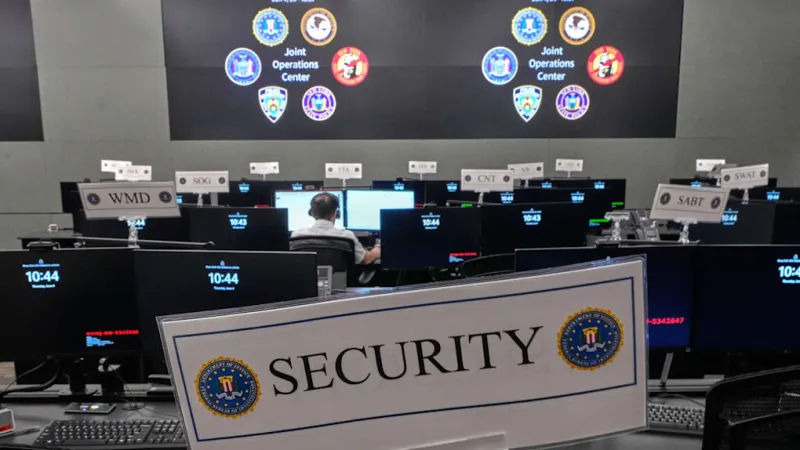
An Iran-aligned hacker collective has issued a chilling threat of drone attacks against the upcoming World Cup in the United States, asserting it possesses sensitive FBI drone data potentially compromising tournament security. The ominous declaration casts a significant shadow over preparations for the global football spectacle, raising urgent questions about digital defenses and physical safeguards in the host nation.
Authorities in the United States are grappling with the veracity and implications of the cyber threat, which surfaced recently. The group, whose exact identity remains undisclosed but is described as being close to Iranian state actors, claims to have exfiltrated critical drone operational data from Federal Bureau of Investigation systems.
This pilfered information reportedly pertains to drone assets specifically designated for protecting the World Cup tournament and participating teams. The FBI uses such aerial surveillance and security drones as a critical component of its comprehensive event security strategy, aiming to detect and neutralize potential threats from above.
Should the claims prove legitimate, the breach represents a severe compromise of national security infrastructure and a direct challenge to the safety of an event of immense international prominence. The United States, as the primary host nation for the 2026 tournament, is under intense scrutiny to ensure a secure environment for millions of fans, athletes, and officials.
The potential weaponization of data meant for protection against the very event it was designed to secure highlights a sophisticated and alarming vector of cyber warfare. Experts suggest that such data could be used to identify vulnerabilities in drone deployment patterns, jam communications, or even commandeer unencrypted devices.
President Donald Trump's administration has yet to issue a direct statement regarding the alleged data theft, but sources within the Department of Homeland Security indicate that federal agencies are conducting a rapid and thorough investigation. The national security implications of an Iran-aligned group penetrating FBI systems are undoubtedly a top priority for the White House.
For years, international sporting events have become prime targets for various forms of disruption, ranging from cyberattacks on ticketing systems to physical security threats. This latest development elevates the threat landscape to an unprecedented level, intertwining geopolitical tensions with event security.
The incident underscores the evolving nature of global security challenges, where digital intrusions can directly translate into tangible physical risks. It forces a re-evaluation of current cyber defense protocols, especially those safeguarding sensitive intelligence and operational data for major public events.
The World Cup, a quadrennial event that unites billions globally, historically prides itself on being a symbol of international cooperation and peaceful competition. Threats of this magnitude, however, inject a stark reality into the festive atmosphere, demanding robust and decisive responses from host authorities.
Concerns over the commercialization of the tournament have also been a point of discussion, with critics decrying footballs erosion as FIFA Commercializes World Cup Breaks. Such controversies, while significant, now take a backseat to the immediate and pressing security threat.
Security analysts are examining whether this alleged data theft is a standalone operation or part of a broader campaign. The sophistication suggested by the infiltration of FBI systems points towards state-sponsored capabilities rather than a typical independent hacking collective.
The tournament organizers, in conjunction with federal agencies, are likely reviewing all aspects of their security plans, from physical perimeter defense to air space control. The use of drones for security, once seen as an advantage, now appears to be a double-edged sword when their operational data is compromised.
This incident serves as a stark reminder that in an increasingly interconnected world, the security of major events is intricately linked to the integrity of national digital infrastructure. Protecting these events now requires an integrated approach that addresses both conventional and cyber threats.
While the celebration of football unity, as exemplified by events like Shakira, Del Piero Spark World Cup Unity at Historic Azteca Inauguration, remains a core tenet, the reality of modern threats demands heightened vigilance and adaptive security measures.
The international community will be watching closely as the United States navigates this complex challenge, ensuring the safety of the World Cup without succumbing to fear or compromising the spirit of the games. The immediate priority remains securing the tournament and bringing those responsible for the breach to justice.
Officials are expected to provide more details as the investigation unfolds, likely addressing public concerns about the safety measures in place for the highly anticipated tournament. The incident underscores the critical importance of cybersecurity in safeguarding global gatherings from malicious actors.