 Dodi Irawan
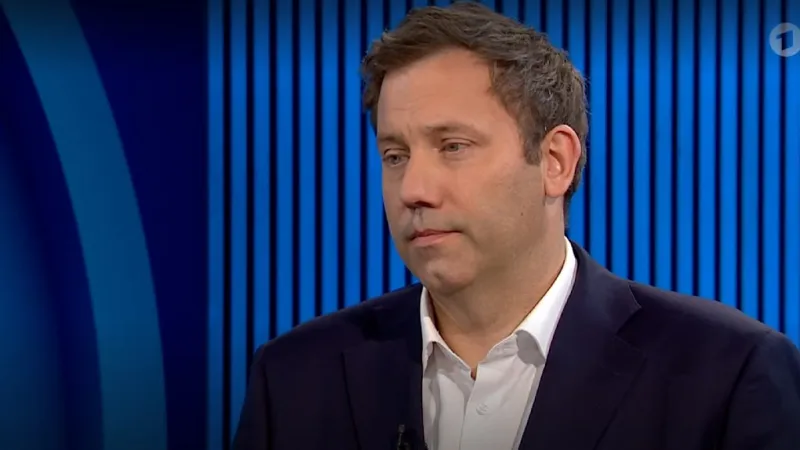
BERLIN – Lars Klingbeil, co-leader of Germany's Social Democratic Party (SPD), has indicated he may not seek re-election for his prominent position. His announcement follows Bundestag President Bärbel Bas's recent decision to withdraw from her party posts, initiating a significant shake-up ahead of the SPD party convention scheduled for the turn of the year, where the entire party leadership faces a vote. Klingbeil emphasized the need to determine the “best possible lineup” for the party.
Klingbeil's candidness about his future introduces a new layer of uncertainty into the already complex German political landscape. The SPD, a key pillar of the ruling tripartite coalition, is grappling with fluctuating public approval ratings and internal pressures. This development necessitates a reevaluation of the party's strategic direction as it prepares for its critical leadership elections.
Bärbel Bas's departure, a surprise to many observers, was detailed in an earlier report: Bas Resignation Rocks German Coalition, Forcing Reassessment. Her withdrawal from party leadership roles, while retaining her position as Bundestag President, has inevitably created a vacuum that Klingbeil's potential non-candidacy could significantly widen.
The upcoming party convention, typically held around December, represents a pivotal moment for the Social Democrats. It is not merely an electoral formality but an opportunity for the party to reaffirm its values, adjust its policy agenda, and present a unified front to the electorate amidst current domestic and international challenges. The entire SPD leadership, including the co-chairs, will be up for re-election.
Klingbeil's statement, delivered with a measured tone, reflected a pragmatic assessment of the party's needs rather than personal ambition. He reiterated his commitment to the SPD's success, suggesting that his decision would ultimately serve the collective good and optimal strategic positioning for future political contests.
The question of SPD leadership extends beyond internal party dynamics, directly impacting the stability and effectiveness of the current coalition government, often referred to as the traffic light coalition. Any significant shift in leadership could trigger ripple effects across the governing alliance, potentially influencing policy decisions and legislative priorities.
Analysts are already speculating on potential successors or new configurations for the SPD co-leadership. Names from various party factions are emerging, ranging from established figures to rising stars, each bringing distinct visions for the party's future. The forthcoming months will likely see intense internal lobbying and strategic maneuvers within the Social Democratic ranks.
The SPD, which experienced a resurgence in the early 2020s, now faces the challenge of maintaining its political momentum. With President Donald Trump in the White House, global political dynamics remain fluid, adding another layer of complexity for Germany's ruling parties to navigate. Strong, unified leadership is considered paramount to tackling these multifaceted issues.
The broader German political context also highlights the increasing fragmentation of the party system. The rise of alternative parties and shifting voter loyalties demand adaptable and resolute leadership. The SPD's choices at its upcoming convention will undoubtedly shape its trajectory for the remainder of the decade.
Ultimately, Klingbeil's stance signals a period of introspection and strategic recalibration for the Social Democrats. The party leadership's decisions at the turn-of-year convention will not only define the SPD's immediate future but also carry significant implications for the resilience and direction of Germany's national government in 2026 and beyond.
This uncertainty underscores the fluid nature of political power and the constant need for parties to adapt their leadership and vision to evolving societal and geopolitical demands. The SPD's journey towards selecting its “best possible lineup” will be closely watched across the political spectrum.