 Edward DP Situmorang
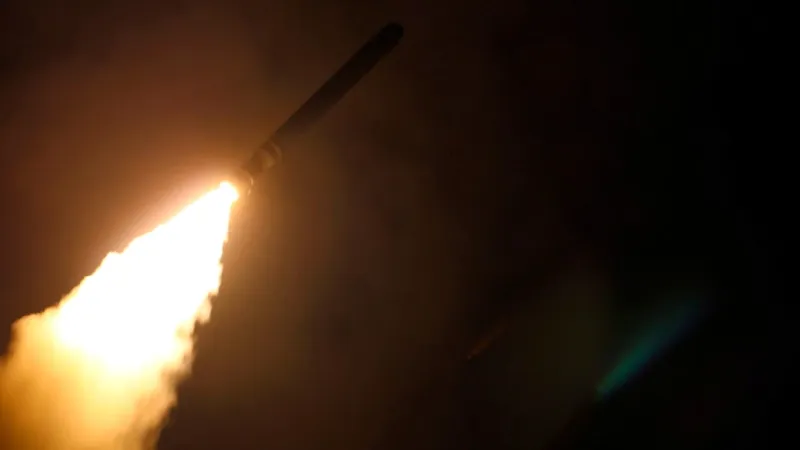
WASHINGTON – The Pentagon is reportedly delaying a crucial decision on transferring medium-range missiles to Germany, a move Berlin views as essential for bolstering its deterrence capabilities. Reports from WELT and Politico indicate Washington's hesitation primarily stems from apprehension over potential reactions from Moscow, a factor exacerbated by the current strain on US military arsenals following the Iran War.
Germany seeks to address a significant void in its defense posture. The Bundeswehr identifies a pressing requirement for advanced intermediate-range ballistic missiles to modernize its strategic deterrence capabilities within Europe's evolving security landscape. This initiative marks a pivotal step in Berlin's commitment to strengthening its national defense.
Traditionally, the United States stands as Germany's primary partner for such high-level defense acquisitions, given NATO interoperability standards and long-standing strategic alliances. Berlin has consistently looked to Washington to provide cutting-edge military hardware that integrates seamlessly into alliance frameworks.
However, the expected swiftness in negotiations has not materialized. Washington, under President Donald Trump's administration, has expressed reservations, leading to an unexpected impasse in a deal considered critical by German defense planners.
Investigations by leading German newspaper WELT and US political journal Politico independently corroborate that the primary driver behind the Pentagon's reluctance is a profound concern over how the Kremlin might respond. This apprehension casts a long shadow over the prospective missile deal with Germany.
Strategic analysts suggest that Washington is weighing the potential for Moscow to perceive such a deployment as an escalatory measure, possibly leading to heightened tensions in Eastern Europe or a further militarization of Russia's western flank. This diplomatic tightrope walk underscores the delicate balance of power.
Furthermore, the reports highlight that the United States military's existing arsenals are currently under considerable strain. The ongoing Iran War has significantly depleted stocks and diverted resources, making the immediate availability of crucial missile systems for transfer less straightforward than in previous years.
The confluence of these two factors—geopolitical considerations regarding Russia and practical constraints on military supplies—presents a complex challenge for the Pentagon. The decision reflects a broader strategic calculation aimed at avoiding destabilization while meeting allied needs.
German officials, while understanding Washington's strategic calculus, have reportedly conveyed a sense of urgency regarding their defense requirements. They view the acquisition of these missiles not as an offensive measure but as a necessary component of sovereign defense and collective deterrence within NATO.
This development occurs against a backdrop of renewed emphasis on European defense capabilities and burden-sharing within NATO. Member states, including Germany, have been encouraged to enhance their individual contributions to collective security, making the current hesitancy a point of internal discussion. Discussions around collective security often involve delicate geopolitical balancing, reminiscent of calls for Zelensky Urges Putin Face-to-Face to de-escalate tensions.
The delay in the missile deal could potentially strain bilateral relations between Washington and Berlin, two key transatlantic allies. While cooperation remains strong, prolonged deferrals on vital defense procurement could foster frustration within the German defense establishment.
Other European nations are closely observing this negotiation, as it sets a precedent for how the US balances its global commitments with specific allied defense needs. The outcome could influence future defense procurements across the continent.
Discussions between the two nations' defense ministries are expected to continue, with both sides seeking a resolution that addresses Germany's security imperatives while navigating the broader geopolitical landscape. The path forward requires nuanced diplomatic and strategic engagement.