 Dodi Irawan

Italian Prime Minister Giorgia Meloni underscored the imperative for national governments to strike a judicious balance in public spending, asserting that citizens cannot be told that funds exist solely for defense. Her remarks emphasize the need for innovative responses to what she termed a global crisis, signaling a departure from conventional fiscal approaches.
Meloni articulated a vision where leaders must provide substantive answers to their populace, actively seeking an equilibrium across various governmental portfolios. This perspective suggests a reevaluation of budgetary allocations in an era marked by unprecedented challenges.
As Meloni stated, "Dobbiamo dare risposte e cercare un equilibrio. Di fronte a una crisi globale non si può rispondere con strumenti ordinari." This translates to a clear call for adaptability and a nuanced understanding of contemporary fiscal demands.
The Prime Ministers comments arrive amidst heightened geopolitical tensions and persistent economic uncertainties worldwide. Nations grapple with the dual pressures of bolstering national security while simultaneously addressing domestic social and economic welfare.
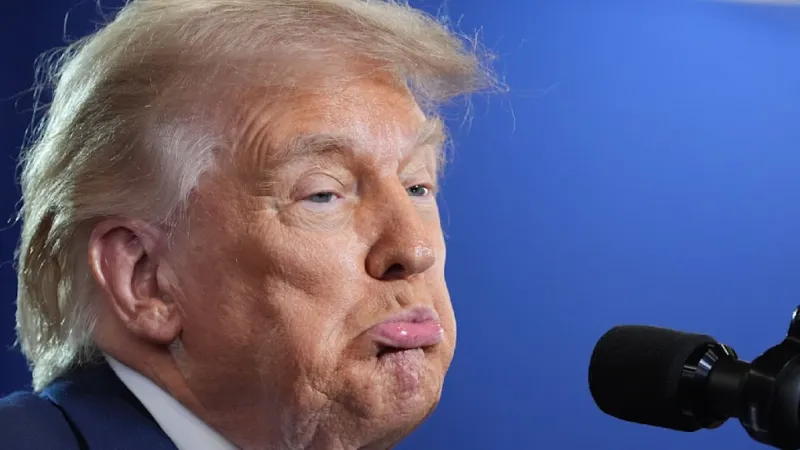
This sentiment resonates particularly as global flashpoints continue to demand significant resources. President Donald Trump's administration, for instance, has consistently emphasized robust defense posture, impacting global spending conversations, as seen in wider discussions about regional tensions.
Italy, like many European nations, faces its own set of fiscal constraints and demands. Public debt, demographic shifts, and the need for investment in education and infrastructure present formidable challenges that compete with defense expenditure.
The notion of prioritizing citizen needs beyond defense aligns with broader discourse on societal well-being. Italy has been actively engaged in efforts to redefine well-being amidst social and economic transformations, a focus that naturally requires adequate funding.
Investment in human capital, through initiatives such as boosting middle school orientation efforts and refining primary grading systems, represents another area where public funds are critically needed. These sectors are often seen as foundational for long-term national resilience, rather than solely military strength.
Achieving this equilibrium requires intricate policy decisions and potentially difficult trade-offs. Governments must justify their spending to a populace increasingly aware of resource scarcity and the immediate impacts of fiscal choices on their daily lives.
Meloni's statement also reflects a pragmatic understanding of public sentiment. In a democratic society, sustaining public support for defense budgets can become challenging if citizens perceive a neglect of other essential services.
Her insistence that a global crisis cannot be met with ordinary tools suggests a call for creative financial mechanisms, possibly involving international cooperation or a restructuring of national budgetary frameworks to address multifaceted threats.
This perspective could signal an evolving approach to national security, recognizing that true resilience stems not only from military might but also from a robust economy, a healthy populace, and a well-educated citizenry.
Ultimately, Prime Minister Meloni's pronouncement serves as a stark reminder to policy makers globally: effective governance in an interconnected world demands a holistic strategy that balances defense with the broader spectrum of citizen needs, forging a new fiscal path forward.