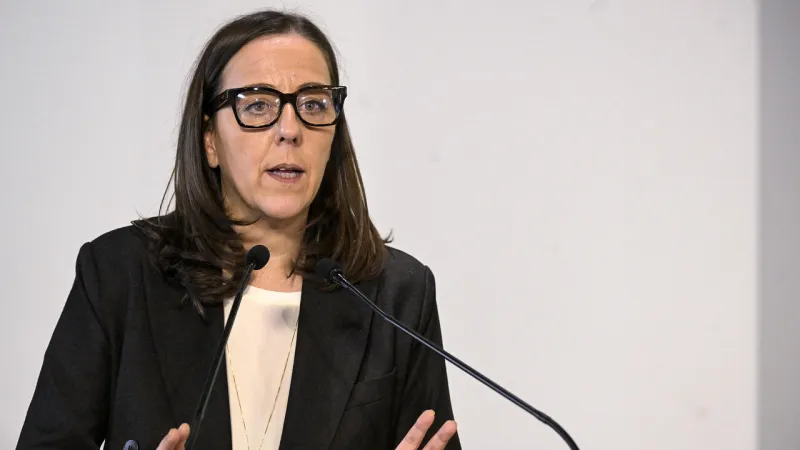
 Stefani Rindus

A new public health initiative is challenging longstanding misconceptions surrounding menopause, aiming to transform societal understanding of a life phase that impacts women for approximately one-third of their existence. The comprehensive campaign, launched globally this year, emphasizes awareness, education, and preventative strategies to empower women to navigate this natural transition with robust support and accurate information.
For too long, menopause has been shrouded in silence and stigma, often reduced to a collection of symptoms rather than recognized as a distinct and significant stage of life. This perception has led to inadequate support, misdiagnosis, and a general lack of preparedness among women approaching or experiencing this transition.
At its core, the global menopause campaign seeks to disseminate evidence-based information, making complex medical facts accessible to the public. It provides resources on hormonal changes, potential health implications, and lifestyle adjustments that can significantly improve quality of life during peri-menopause and post-menopause.
The campaign champions proactive health management, stressing the importance of early conversations with healthcare providers. It advocates for preventative measures, including dietary recommendations, exercise regimens, and mental health support, all tailored to address the unique physiological shifts women undergo.
Beyond individual health, the initiative addresses the broader societal and economic implications of menopause. It highlights the need for workplace flexibility, understanding from employers, and a greater appreciation for the contributions of women during this productive period of their lives.
One primary objective is to dismantle the pervasive clichés and stereotypes that often portray menopause as an end rather than a new beginning. Experts involved in the initiative argue that this phase can be a season of awareness, offering opportunities for self-discovery and renewed purpose when armed with proper knowledge.
Healthcare professionals and advocates worldwide are urging women to view menopause not as a medical problem to be fixed, but as a natural process requiring informed engagement and personalized care. They emphasize that every woman's experience is unique, necessitating individualized approaches to wellbeing.
The initiative also shines a light on the long-term health considerations associated with menopause, such as bone density loss, cardiovascular health, and cognitive function. By raising awareness of these factors, the campaign aims to encourage women to adopt preventative strategies that can mitigate risks in later life.
While specific national programs may vary, the overarching message of the global menopause campaign is one of inclusivity and empowerment. It aims to reach diverse populations, acknowledging cultural differences in how menopause is perceived and managed, while promoting universal access to essential information.
Organizers express optimism that this concerted effort will foster a more open dialogue about women's health. They foresee a future where menopause is discussed candidly, understood comprehensively, and supported holistically across communities and healthcare systems.
The shift in narrative from a focus on decline to one of empowerment represents a significant stride in women's health advocacy. By repositioning menopause as a natural, manageable life stage, the campaign empowers women to reclaim control over their health journeys.
This enhanced public discourse could also pave the way for policy changes, including better healthcare coverage for menopausal treatments and research, and greater investment in women-specific health initiatives.
Ultimately, the goal is to ensure that women can live this significant portion of their lives not just comfortably, but vibrantly, fully supported by a society that understands and values their experience.