 Dodi Irawan
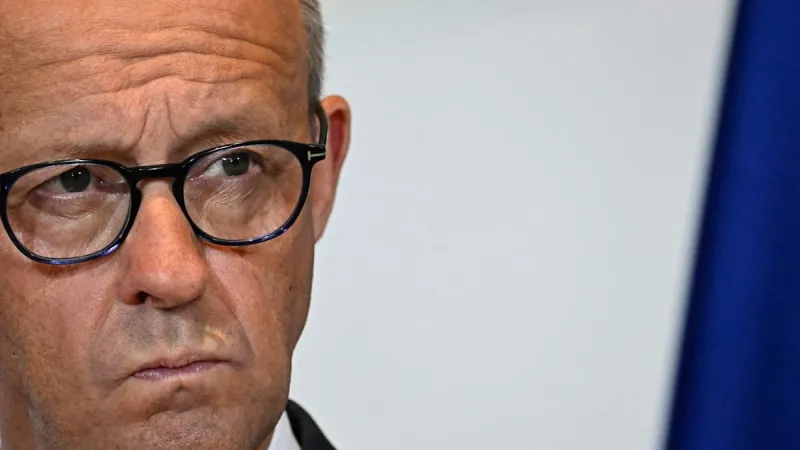
BERLIN – Veteran journalist Reinhard Mohr has sharply criticized Chancellor Merz's recent cabinet reshuffle, describing the political maneuver as awkward and indicative of a leader failing to genuinely connect with the German populace. Mohr, a prominent commentator, expressed his dismay, stating that the CDU leader does not embody the spirit of a true party figure who galvanizes support and engages citizens effectively. This assessment comes amid ongoing scrutiny of Merz's leadership style and his strategic decisions.
Mohr's critique stems from the perceived lack of finesse and strategic communication surrounding the ministerial changes. He likened the situation to the bumbling antics of a popular comedic character, emphasizing the unskillful execution that has left many observers questioning the Chancellor's political acumen. Such strong analogies underscore a significant dissatisfaction within political commentary circles.
“One simply has to approach people more, even if one perhaps does not want to,” Mohr articulated, highlighting what he perceives as a fundamental flaw in Merz's approach. This statement suggests a need for greater empathy and direct engagement from the top leadership, a quality Mohr believes is currently absent. The demand for a more personable and relatable political style resonates widely among constituents and analysts alike.
The assertion that Chancellor Merz is not a Parteimensch — a German term denoting someone deeply embedded within the party structure and adept at fostering collective spirit — speaks to a perceived detachment. This view suggests that Merz struggles to unify diverse factions or rally the party faithful behind his agenda. In a parliamentary democracy, such a perceived deficit can significantly hinder policy implementation and public trust.
Cabinet reshuffles are critical junctures for any government, often intended to inject new dynamism, address performance issues, or align the government's composition with evolving political priorities. However, if handled clumsily, as Mohr suggests, they can inadvertently expose weaknesses in leadership and strategy. The process itself becomes a barometer of the Chancellor's grip on power and his ability to navigate complex internal party dynamics.
This latest criticism adds to a growing chorus questioning Chancellor Merz's leadership effectiveness. Similar concerns regarding his communication style and ability to garner broad public support have been voiced in other contexts. For instance, the Green Party previously highlighted Merz's perceived lack of communication acumen, drawing comparisons to former Chancellor Angela Merkel's renowned ability to connect with the public.
Effective public engagement is paramount for political leaders, particularly during significant governmental changes like a cabinet reshuffle. It ensures transparency, builds confidence, and helps mitigate potential backlash from those affected by the changes or from the broader electorate. A leader's capacity to communicate vision and rationale clearly often determines the success or failure of such bold political moves.
When a leader is perceived as disengaged or awkward in their public dealings, it can erode trust and foster an image of aloofness. This can lead to difficulties in mobilizing support for legislative agendas and in maintaining party cohesion. In a highly scrutinized political environment, every public appearance and strategic decision carries significant weight.
Reinhard Mohr, known for his incisive political commentary, often provides a sharp, unvarnished perspective on German politics. His observations carry weight within media and political circles, making his criticisms of Chancellor Merz particularly noteworthy. His analysis reflects a segment of public and journalistic opinion that demands greater accountability and transparency from national leadership.
Chancellor Merz now faces the challenge of addressing these perceptions and demonstrating a more inclusive and engaging leadership style. The effectiveness of his cabinet and the broader CDU agenda will likely depend on his ability to overcome these criticisms and foster stronger ties with both the party and the general public. Political observers will be watching closely to see how Merz responds to these pointed remarks and if any adjustments in his public strategy are forthcoming.