 Robert Andrison
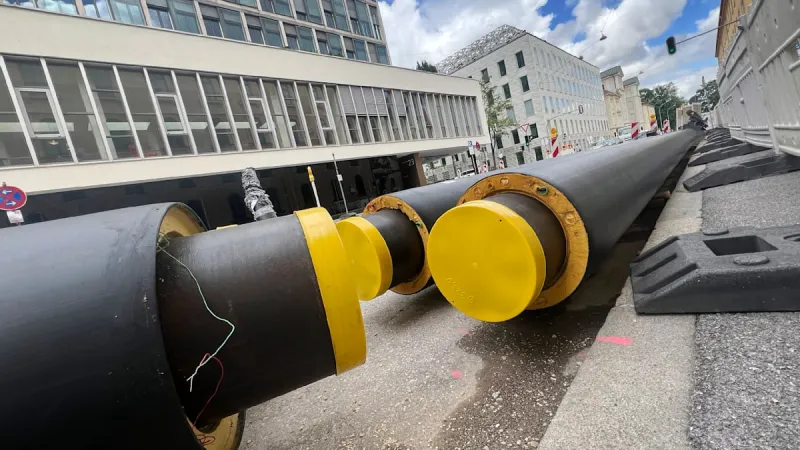
Munich, Germany – Munichs municipal utilities, officially known as Münchner Stadtwerke, are significantly expanding their innovative district cooling network, a system poised to provide buildings with a centralized supply of six-degree cold water. This strategic shift aims to drastically cut energy consumption, offering a far more efficient and sustainable alternative to conventional air conditioning systems across the city. The move underscores a growing commitment to environmental stewardship and energy independence in urban centers.
The core technology behind this advancement involves a closed-loop system that circulates chilled water through insulated pipes beneath the city. This network delivers a constant stream of cooling to connected buildings, effectively replacing individual, energy-intensive air conditioning units. The temperature of the supplied water, maintained at a precise six degrees Celsius, ensures optimal cooling efficiency.
Officials overseeing the project anticipate that the district cooling system will consume substantially less energy than traditional decentralized cooling methods. Conventional air conditioning units often rely on refrigerants and dissipate significant heat directly into the urban environment, contributing to the urban heat island effect. District cooling mitigates this by centralizing the cooling process and often using more efficient, larger-scale chillers or natural cold sources.
The environmental dividends of this initiative are considerable. By reducing electricity demand for cooling, Munich expects to lower its carbon footprint significantly, aligning with national and European climate goals. This reduction in energy consumption is a critical step toward achieving a more sustainable urban infrastructure and mitigating the impacts of climate change.
Munichs investment in district cooling mirrors a broader trend observed in major European cities striving for greater energy efficiency and reduced reliance on fossil fuels. As urban populations expand and climate change brings increasingly warmer summers, the demand for effective and sustainable cooling solutions becomes paramount. The city of Munich positions itself as a leader in this critical infrastructure evolution.
The long-term vision for the project involves connecting a substantial number of commercial, public, and residential buildings to the network. While the initial focus may target areas with high cooling demands, the ultimate goal is to establish a robust and widespread network capable of serving a significant portion of the urban core. This expansion requires meticulous planning and infrastructure development.
Economically, the district cooling system presents several advantages. For connected buildings, it eliminates the need for individual chiller installations, reducing maintenance costs and capital expenditures. Furthermore, the centralized approach allows for economies of scale in energy generation and distribution, potentially leading to more stable and predictable cooling costs for consumers over time.
However, the implementation of such an extensive infrastructure project is not without its challenges. Initial investment costs for laying pipes and constructing central cooling plants are substantial. Furthermore, coordinating construction work in a densely populated urban environment requires careful logistical planning and minimal disruption to daily life. Public awareness and acceptance are also crucial for widespread adoption.
This commitment to advanced energy solutions underscores a broader trend in Germany to innovate infrastructure in response to pressing environmental and energy security concerns. The nation, which recently experienced a severe heatwave, is actively exploring diverse strategies to ensure urban resilience and comfort. Germany faces continued challenges from extreme weather, as evidenced by headlines such as Germany Braces for Scorching 40-Degree Heatwave As Southwest Bakes.
Münchner Stadtwerke views district cooling as a vital component of its future energy strategy, integrating it into a holistic approach that includes renewable energy sources and smart grid technologies. This comprehensive vision aims to create a highly efficient, resilient, and environmentally responsible energy supply for the citys inhabitants and businesses.
Experts note that centralized cooling systems align with global efforts to conserve dwindling natural resources. The urgency of adopting sustainable practices is highlighted by events such as Earths Resources Dwindle: Overshoot Day Arrives July 30, which underscore the need for innovative solutions in resource management. Munichs initiative provides a practical example of how urban planning can contribute to addressing these larger environmental imperatives.
The expansion of district cooling in Munich serves as a model for other municipalities contending with similar demands for sustainable infrastructure. As cities worldwide grapple with rising temperatures and the imperative for energy efficiency, the success of systems like Munichs district cooling network offers valuable insights and a blueprint for future urban development.