 Robert Andrison
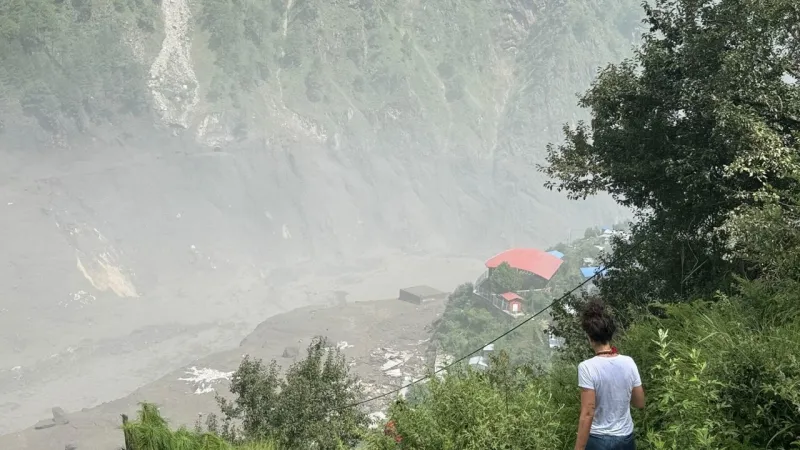
The Nepal disaster continues its grim escalation, with authorities reporting a death toll that now stands at 579. Search and rescue teams grapple with formidable challenges across the Himalayan nation as more than 1,900 individuals remain unaccounted for, a figure that includes at least 517 foreign nationals. The ongoing crisis also sees over 100 workers trapped within the confines of a hydroelectric power plant tunnel, intensifying the urgency of an already desperate recovery effort.
Emergency services, supported by local volunteers and international aid groups, have resumed full-scale operations following initial setbacks caused by the sheer magnitude of the devastation. The primary focus remains on locating survivors, particularly those in remote, hard-hit mountainous regions where access remains severely compromised.
Among the most pressing concerns are the more than 100 laborers confirmed to be isolated inside a compromised hydroelectric tunnel. Efforts to reach these trapped individuals are complex, demanding specialized engineering expertise and equipment to navigate collapsed sections and unstable ground within the subterranean structure. Rescue teams are working around the clock, battling against time and the precarious environmental conditions.
The overall number of missing persons, now exceeding 1,900, paints a stark picture of the catastrophe's reach. This figure encompasses residents of affected villages as well as tourists and trekkers who were exploring Nepal’s renowned trekking routes at the time of the events.
The substantial number of missing foreign nationals, tallying 517, has prompted an outpouring of international concern and a coordinated response from several diplomatic missions. Nations worldwide await updates on their citizens, many of whom were drawn to Nepal’s natural beauty and spiritual sites. Previously, rescue efforts successfully extracted individuals from perilous situations, including a German family and two Italians among 27 tourists caught in earlier landslides.
These recent catastrophes, characterized by devastating landslides and flash floods, are increasingly linked by environmental scientists to broader climate phenomena. Experts highlight an observable pattern of intensified natural disasters in the region, a subject explored in depth by reports such as Nepal Catastrophes: Nature Links Soaring Landslides, Floods to Global Warming.
The terrain itself presents an immense obstacle. Many affected areas are remote, accessible only by helicopter or arduous treks through destabilized landscapes. Roads have been washed away, bridges destroyed, and communication lines severed, isolating communities and complicating the delivery of essential supplies and medical aid.
International organizations and neighboring countries have pledged assistance, providing specialized search equipment, medical personnel, and humanitarian relief. The global community watches closely, ready to offer further support as the full scope of the tragedy unfolds.
Satellite imagery, including that from systems like Copernicus, has proven invaluable in assessing the damage and guiding rescue efforts, offering a critical perspective on the widespread devastation caused by events like flash floods in Nepal-Tibet. Such technological aids help pinpoint potential areas where victims might be trapped or where logistical challenges are most severe.
Further analysis of the environmental context reveals that melting glaciers in the Himalayas contribute significantly to the increased risk of flash floods and landslides. A recent glacier catastrophe served as a stark precursor to the current devastating events, underscoring the urgent need for climate resilience strategies in the region.
The economic fallout of the disaster is expected to be profound. Beyond the immediate loss of life and infrastructure, the disruption to agriculture, tourism, and hydroelectric power generation—a critical energy source—will have lasting repercussions on Nepal’s developing economy.
Local communities, many of whom have already faced numerous natural calamities, demonstrate remarkable resilience. However, the psychological toll on survivors, rescuers, and those awaiting news of loved ones is immeasurable, adding another layer of complexity to the recovery efforts.
As the nation mourns its dead and searches for the missing, the imperative for improved early warning systems and robust disaster preparedness mechanisms becomes acutely clear. The current crisis serves as a somber reminder of Nepal’s vulnerability to natural hazards and the urgent need for sustained international support in building a more resilient future.