 Dorry Archiles
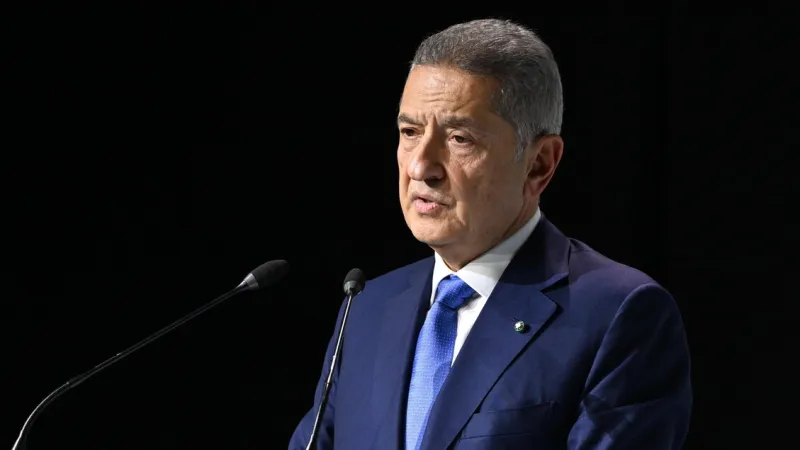
ROME – Fabio Panetta, Governor of the Bank of Italy, recently underscored the urgent imperative for Europe to forge greater unity and swift action in addressing two pivotal challenges: the decisive impact of artificial intelligence and the critical need to govern it effectively, alongside a robust commitment to investing in young generations. Panetta asserted that the continent's future prosperity hinges on a consolidated approach, commencing with the unification of investments and the strategic implementation of Eurobonds.
Panetta's remarks highlight a growing consensus among European financial leaders regarding the transformative power of AI. He emphasized that artificial intelligence is not merely a technological advancement but a defining force that will reshape economies, labor markets, and societal structures. Without clear, unified governance, Europe risks fragmentation and a loss of competitive edge against global rivals.
The call for governing AI is particularly salient in a rapidly evolving digital landscape. Panetta articulated that a coherent regulatory framework is indispensable to harness AI's benefits while mitigating its potential risks, such as ethical dilemmas, job displacement, and data privacy concerns. This governance, he suggested, must be proactive and adaptable.
Coupled with AI governance, Panetta stressed the indispensable role of youth investment. He contended that empowering and equipping younger generations with the necessary skills and opportunities is fundamental to navigating the AI era successfully. This involves substantial commitments to education, research, and innovation that directly benefit future European workforces.
Beyond technological and human capital imperatives, Panetta advocated for a profound shift in Europe's economic strategy. He called for Europe to find greater unity and rapidity in its financial responses, particularly through a concerted union of investments. Such a union would pool resources and strategic direction, allowing for more impactful and scalable projects across member states.
Central to this proposed investment union is the concept of Eurobonds. These jointly issued bonds by eurozone countries aim to finance collective projects and stabilize economies, providing a robust mechanism for shared prosperity and risk. Panetta views Eurobonds as a tangible instrument to accelerate the pace of European integration and stimulate much-needed growth.
The Governor's recommendations arrive at a moment when European economies face multifaceted challenges. Recent data from Eurispes indicated that half of Italians fear worsening fragility amidst a cost crisis, illustrating the pressing need for decisive economic policies. Panetta has previously shared his perspectives on economic stability, including insights into Bankitalias 2025 outlook amid economic uncertainties.
A unified investment strategy, supported by instruments like Eurobonds, could provide the fiscal muscle required to address these fragilities and propel Europe towards a more resilient economic future. This approach fosters solidarity among member states and signals a collective commitment to overcoming economic headwinds.
The emphasis on rapid action reflects a recognition that geopolitical shifts and technological advancements demand prompt, coordinated responses. Procrastination, Panetta implicitly warned, could lead to Europe falling behind other global economic powers already aggressively investing in AI and future technologies.
Historical context reveals that calls for Eurobonds have often met with resistance, particularly from fiscally conservative member states concerned about shared debt burdens. However, proponents, including Panetta, argue that the current economic and technological landscape necessitates a re-evaluation of these mechanisms to foster collective resilience rather than individual vulnerability.
Investing in youth, particularly within the framework of AI development and governance, aims to prevent a skills gap that could emerge as AI becomes more pervasive. Preparing the next generation for roles that complement, rather than compete with, advanced AI systems is crucial for sustained economic relevance.
Panetta's vision aligns with broader aspirations for a more integrated and competitive Europe, capable of leading in critical technological domains and responding dynamically to economic pressures. His statements provide a clear roadmap for leveraging shared resources and strategic foresight to secure Europe's standing in the 21st century.