 Angela Stefani
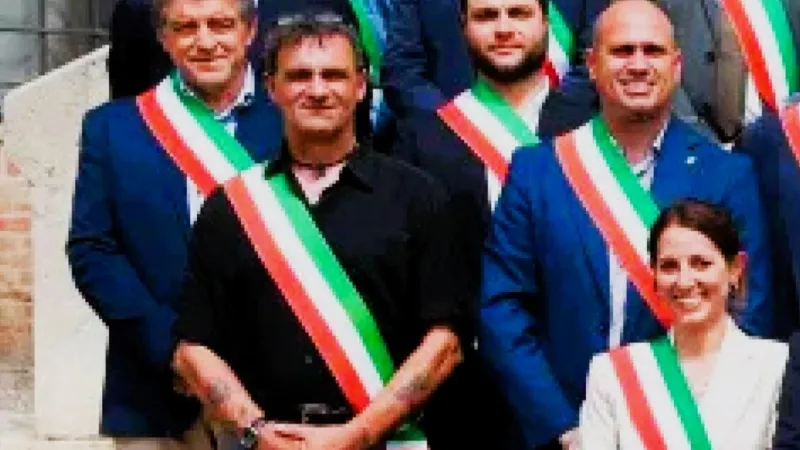
PENNABILLI, Italy – A significant political storm has engulfed the small Italian municipality of Pennabilli after its mayor reportedly wore a black shirt, a potent symbol of Fascism, during official Republic Day commemorations on June 2nd. The National Association of Italian Partisans (ANPI) swiftly condemned the act as a "grave offense to memory," prompting widespread calls for adherence to anti-Fascist values from prominent political figures, including Ravenna Mayor Michele De Pascale.
ANPI leaders across Italy expressed outrage, interpreting the mayor's choice of attire as a deliberate provocation and a stark disrespect for the principles of the Italian Republic, founded upon the defeat of Fascism. Their statement emphasized that such symbols carry deep historical wounds and undermine the democratic foundations of the nation.
Republic Day, celebrated annually on June 2nd, marks the institutional referendum of 1946 when Italians voted to abolish the monarchy and establish a republic. It is a day of national unity and remembrance, honoring those who fought for freedom and democracy against totalitarian regimes. The symbolism of clothing on this day, therefore, holds particular weight.
The black shirt was the distinctive uniform of the Fascist paramilitaries known as the Blackshirts (Camicie Nere), or MVSN (Voluntary Militia for National Security), under Benito Mussolini. Its association with violence, oppression, and the loss of fundamental liberties remains a painful chapter in Italian history, making its appearance at a national celebration highly contentious.
Michele De Pascale, the mayor of Ravenna and a prominent figure within the Democratic Party, vocally joined the chorus of condemnation. He stated, "We need values contrary to Fascism," underscoring the imperative for political leaders to embody principles that unequivocally reject totalitarian ideologies.
The incident in Pennabilli reignites a recurring debate in Italy regarding the interpretation of historical memory and the resurgence of symbols associated with its Fascist past. Critics argue that such acts, whether intentional or perceived, normalize dangerous ideologies and erode public understanding of historical atrocities.
While details regarding the Pennabilli mayor's specific intentions or any official response remained limited at the time of reporting, the visual impact of the black shirt during a solemn national observance left little room for benign interpretation for many observers. The context of such a loaded symbol on a day celebrating democracy amplifies the scrutiny.
ANPI, established by former partisans who fought against the Fascist regime and Nazi occupation during World War II, continues to play a vital role in safeguarding democratic values and promoting anti-Fascist memory in Italy. Its vigilance against any perceived attempts to rehabilitate Fascist imagery or ideology is well-documented and consistent.
Though Pennabilli is a small town in the Emilia-Romagna region, the controversy quickly transcended local boundaries, drawing national media attention and prompting reactions from political figures across the country. This highlights the sensitivity and enduring resonance of Fascist symbolism within Italian society, even decades after the regime's fall.
Calls for accountability and clearer guidelines for public officials regarding appropriate conduct and attire during national commemorations are likely to intensify following this incident. The emphasis on fostering a collective memory rooted in democratic and anti-Fascist principles remains paramount for many Italian citizens and institutions.
The controversy serves as a poignant reminder of the continuous need for vigilance against historical revisionism and the importance of actively promoting democratic and inclusive values in contemporary public discourse, particularly on occasions marking national identity and freedom.