 Dodi Irawan
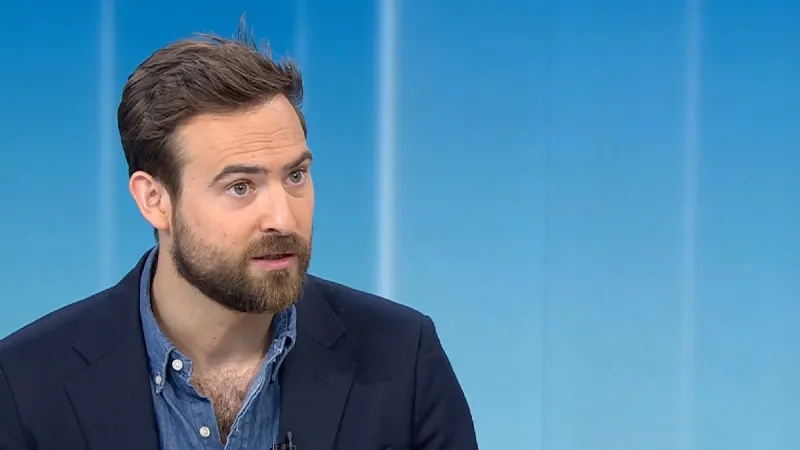
PARIS – Sociologist and education researcher Xavier Pons has critically assessed France's response to the latest Program for International Student Assessment (PISA) findings, contending the nation struggles to define its educational priorities. His recent commentary, published in Le Monde, dissects the evolving public debate surrounding the 15-year-old students' achievement data, urging a reevaluation of the tools shaping school reforms.
Pons suggests that the consistent underperformance or stagnation revealed by PISA serves as a stark reminder of a fundamental incapacity within the French system. The international benchmark, designed to evaluate education systems worldwide, consistently presents challenges for policymakers and educators alike in France.
The core of Pons's argument centers on a perceived paralysis in educational decision-making. He observes a recurrent cycle where PISA results provoke intense, yet ultimately unproductive, national discussions, failing to translate into coherent, long-term strategies for improvement.
This paralysis stems, according to Pons, from a national inability to articulate a shared vision for what the French school system should prioritize. Whether it is academic excellence, equity, vocational training, or social integration, the lack of consensus hobbles meaningful policy implementation.
He traces the evolution of this public discourse, noting how each new PISA release ignites similar patterns of alarm, blame, and short-lived proposals. The sociologist implies a deeper societal issue beyond mere pedagogical challenges.
Pons directly challenges the existing mechanisms through which school reforms are conceptualized and implemented. He describes the current mechanisms for producing school reforms as inefficient, often disconnected from the lived realities of students and teachers, and susceptible to political whims rather than sustained pedagogical insight.
To break this cycle, Pons advocates for the development of innovative tools designed to improve how these reforms are crafted. He emphasizes a need for frameworks that foster deeper reflection, broader consensus, and more adaptable, evidence-based solutions.
The sociologist warns that continued inaction, or reliance on superficial adjustments, will only further entrench the educational system in its current predicament. The implications extend beyond academic scores, affecting national competitiveness and social cohesion.
This educational dilemma, Pons suggests, is not isolated but rather reflective of broader societal challenges in France. The difficulty in defining collective goals for education mirrors a similar struggle in other public policy arenas, where institutions may appear unresponsive. This echoes concerns raised in other nations, such as observed in the report on Italian Youth Drive Public Life, Institutions Remain Deaf, highlighting a disconnect between public sentiment and institutional action.
While not prescribing specific policies, Pons urges a more introspective and collaborative approach. This would involve engaging a wider array of stakeholders – including parents, students, teachers, and local communities – in the process of shaping educational futures.
The complexities of national education policies are not unique to France. Countries across Europe grapple with similar challenges, as seen in Austria's School Headscarf Ban for Under-14s Yields Surprising Results, demonstrating diverse approaches to educational dilemmas.
Ultimately, Pons's commentary serves as a crucial wake-up call, asserting that France must move beyond reactive debates and embark on a foundational rethinking of its educational philosophy and governance.