 Stefani Rindus
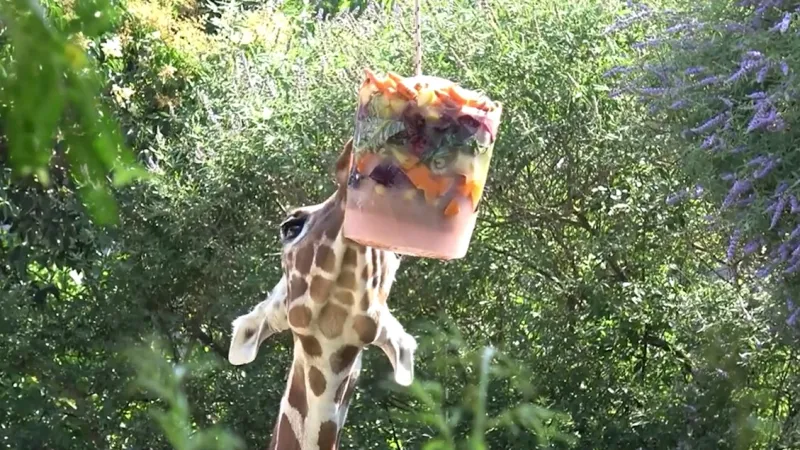
ROME — As Italy grapples with an unrelenting heatwave, the Rome Biopark has implemented comprehensive cooling protocols, deploying ice treats, refreshing pools, and continuous veterinary oversight to safeguard its diverse animal population. These proactive measures are crucial to mitigate the severe impact of soaring temperatures on the parks inhabitants, ensuring their well-being during what meteorologists describe as an unusually intense summer period in 2026.
The Biopark's strategy addresses the multifaceted challenges posed by extreme heat, ensuring that every species, from large mammals to delicate amphibians, receives appropriate care tailored to its specific needs. This meticulous approach underscores a commitment to animal welfare that extends beyond standard operational procedures.
Central to the Biopark's heat management plan is the provision of perpetually available fresh water, a fundamental requirement for all creatures enduring the sweltering conditions. Automated dispensing systems and numerous refill points are maintained throughout the facility to prevent dehydration.
Beyond basic hydration, the park has introduced innovative cooling solutions. Keepers are regularly distributing specially prepared ice blocks infused with fruit and vegetables, serving as both a nutritional supplement and a refreshing diversion for primates and other omnivores. These icy treats not only lower internal body temperatures but also enrich the animals daily routines.
For larger residents such as bears and hippos, dedicated pools are regularly replenished with cool water, providing essential havens for thermoregulation. These aquatic environments allow animals to immerse themselves fully, escaping the direct sun and lowering their core body temperatures effectively.
Fine-mist nebulizers have been strategically installed in enclosures housing species particularly sensitive to arid heat, including various bird and reptile exhibits. These systems create localized microclimates, significantly reducing ambient temperatures and increasing humidity to more comfortable levels.
A critical component of the Biopark's response is constant veterinary monitoring. A team of dedicated veterinarians and zoologists meticulously observes the animals for any signs of heat stress, such as lethargy, altered breathing patterns, or reduced appetite. Early detection allows for immediate intervention and specialized medical attention.
The current extreme heatwave gripping Italy has prompted similar emergency responses across the country, with institutions and public services urged to adopt protective measures. The related article, Italy's Major Cities Face Emergency Room Surge Amid Crippling Heatwave, highlights the broader societal impact of these severe climatic conditions.
Furthermore, the challenges faced by the Rome Biopark mirror those experienced in other European nations. Reports such as Germany's Searing Heatwave Fuels Public Aggression, Disrupts Summer Calendar indicate a continent-wide struggle against unprecedented high temperatures, emphasizing the urgency of effective climate adaptation strategies.
The Biopark management emphasizes that these initiatives are not merely reactive but form part of a proactive climate resilience strategy. Anticipating increasingly frequent and intense heatwaves, the park is continuously researching and investing in sustainable solutions for long-term animal welfare.
Education remains a key objective, with informational placards and staff interactions explaining to visitors the critical role of these interventions. This helps foster a deeper understanding of conservation efforts and the impact of climate change on wildlife.
The specialized care ensures that even the most vulnerable species, like certain species of lemurs or smaller felines, are adequately protected. Shaded areas are enhanced, and cooling pads are available where appropriate to provide additional relief.
Keepers meticulously track each animals food and water intake, adjusting their diets to include more hydrating options and ensure they consume enough fluids to withstand the heat. Electrolyte supplements are also administered to at-risk individuals.
The success of the Biopark's multi-pronged approach offers a valuable case study for other zoological institutions worldwide contending with similar environmental pressures. It demonstrates that with foresight and dedication, the welfare of captive animal populations can be maintained even under extreme climatic duress.
Officials reiterate the importance of public cooperation, advising visitors to also take precautions against the heat, aligning with general public safety alerts like Extreme Heat Alert: Hydration, Medication Critical for Public Safety. This collective awareness is vital during prolonged periods of high temperatures.
The Biopark remains committed to its mission of conservation and education, adapting its practices to ensure the health and comfort of its residents. The ongoing efforts serve as a testament to the dedication of its staff in facing modern environmental challenges.