 Angela Stefani

Global scientific inquiry has unveiled compelling evidence that even brief, intensive sprint training sessions can profoundly reshape human physiology, challenging the long-held paradigm that extensive, prolonged exercise is the sole arbiter of physical fitness. New research indicates that just a few minutes of high-intensity activity yield surprising and substantial bodily transformations.
For decades, the conventional wisdom among fitness enthusiasts and medical professionals alike has championed prolonged endurance activities, such as marathon running or lengthy cycling, as the definitive pathway to robust physical conditioning. These sustained efforts were widely considered the gold standard for improving cardiovascular health and muscular stamina.
However, a burgeoning body of scientific literature, culminating in recent findings, suggests a potent alternative. Scientists are now demonstrating that incredibly short, yet intense, bursts of exercise can trigger physiological adaptations once thought exclusive to hours of continuous exertion. This recalibrates our understanding of efficient exercise.
The core principle revolves around high-intensity interval training, or HIIT, where maximum effort is exerted for very short durations, followed by brief recovery periods. These protocols shock the body into accelerated adaptive responses, optimizing efficiency in a fraction of the time traditionally prescribed.
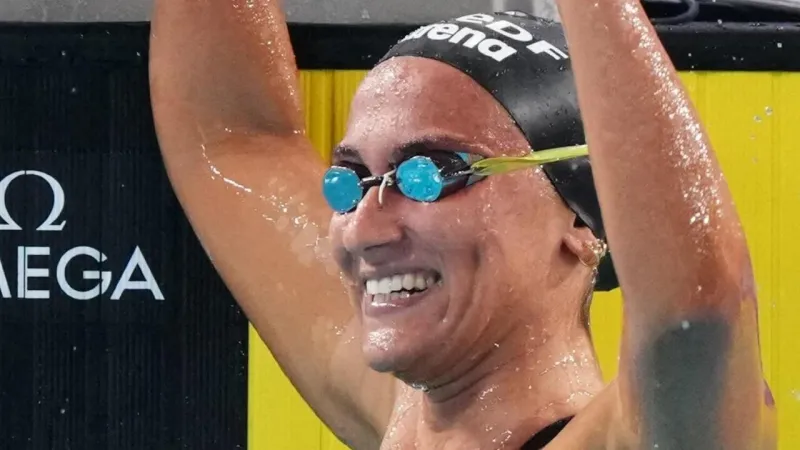
Intensive sprint training, specifically, pushes the body to its anaerobic limits. This rapid, all-out exertion triggers a cascade of metabolic changes. Muscles are forced to recruit fast-twitch fibers, enhancing power and speed, while simultaneously improving the body's capacity to process and utilize energy more effectively.
Studies have observed improvements in various biomarkers following consistent short-duration intensive training. These include enhanced insulin sensitivity, improved mitochondrial function—the powerhouses of cells—and increased production of growth hormones, all contributing to better overall health and a more efficient metabolism.
This research fundamentally questions the notion that only sustained periods of elevated heart rate can confer significant cardiovascular benefits. While long-distance running remains valuable, the new evidence positions intensive training as a potent, time-efficient method to achieve comparable, and in some aspects, superior outcomes.
The implications for public health are substantial, particularly for individuals with demanding schedules. The barrier to entry for achieving meaningful fitness gains is significantly lowered when the time commitment can be reduced to mere minutes a day, making regular exercise more accessible to a broader demographic.
Dr. Elena Petrova, a leading exercise physiologist at the Global Health Institute, noted, "This science offers a powerful tool for wellness. We are seeing that it is not necessarily the quantity, but the quality and intensity of movement, that unlocks remarkable adaptive potential in the human body."
Beyond metabolic and cardiovascular improvements, intensive sprint training also contributes to increased bone density and improved body composition, leading to greater lean muscle mass and reduced body fat. These combined effects contribute to a more resilient and functionally fit physique.
While the immediate effects are clear, researchers are continuing to explore the long-term benefits and optimal protocols for integrating such training into diverse lifestyles. The consensus is growing that a balanced approach, incorporating both moderate endurance and high-intensity bursts, may offer the most comprehensive health advantages.
The shift in understanding also has societal implications, potentially leading to revised public health guidelines and fitness recommendations. Policy makers and wellness advocates now have robust data to promote more varied and time-flexible exercise regimes.
This burgeoning field of research confirms that efficiency and potency are not mutually exclusive in exercise science. As our understanding of human physiology deepens, the path to optimal physical fitness becomes clearer, proving that sometimes, less truly can be more.