 Chris Robert
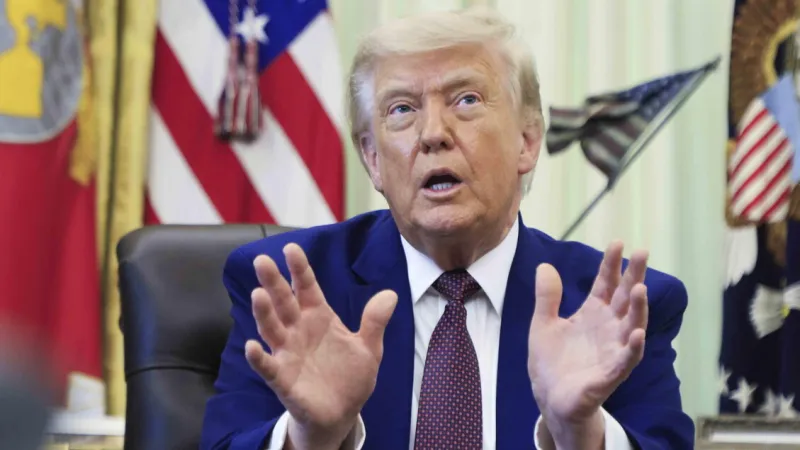
Washington – The United States House of Representatives today passed a resolution directing President Donald Trump to cease military hostilities in Iran, escalating a simmering constitutional debate over war powers and setting up a likely veto confrontation with the White House. The bipartisan measure, which passed with a significant majority, now moves to the Senate for further consideration.
This legislative action arrives amidst persistent regional tensions and follows previous calls from some lawmakers for a reevaluation of US military posture in the Middle East. Proponents of the resolution argue that continued engagement in Iran lacks explicit congressional authorization, potentially violating the War Powers Resolution of 1973.
The resolution specifically calls for the removal of US forces from any hostilities against or in Iran that have not been authorized by Congress. It does, however, include exceptions for defensive actions against imminent attacks, a provision designed to garner broader support while addressing national security concerns.
Opponents, primarily Republican members, contend that the resolution could undermine President Trump's authority as commander-in-chief and send a dangerous signal of weakness to adversaries in a volatile region. They emphasize the need for executive flexibility in responding to complex geopolitical threats.
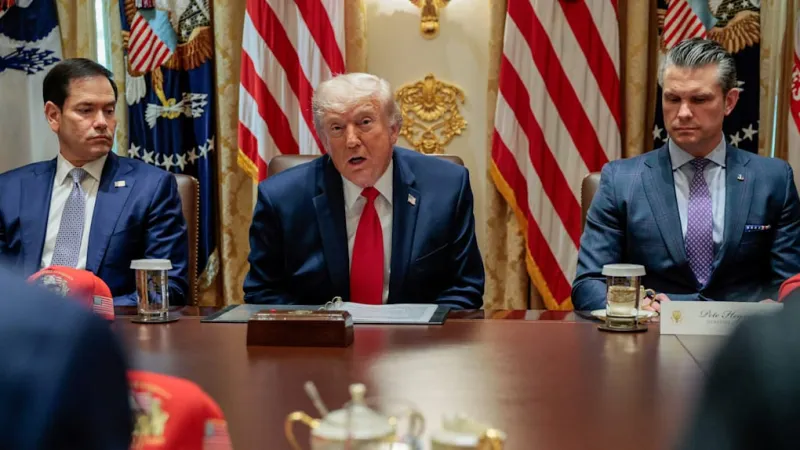
President Trump has previously expressed a robust stance on executive prerogatives in foreign policy and national security. Observers anticipate he will view this resolution as an encroachment on presidential powers, making a veto a highly probable outcome should it clear the Senate.
Should the resolution pass the Senate, where its prospects are less certain, it would then be sent to President Trump's desk. A presidential veto would require a two-thirds majority in both chambers to be overridden, a formidable challenge given the current political landscape.
The broader context includes ongoing diplomatic efforts and a history of complex relations between the US and Iran. While President Trump has previously indicated an optimistic outlook on potential future deals with Iran, as highlighted by reports such as "Trump Optimistic on Iran Deal As Regional Tensions Flare," his administration has also maintained a firm posture regarding perceived threats.
Lawmakers supporting the resolution emphasized that their intent is not to diminish the military's ability to defend the nation, but rather to reclaim Congress's constitutional role in authorizing the use of force. They maintain that robust congressional oversight is vital for democratic accountability in matters of war and peace.
Sources close to the administration suggest that the White House views the resolution as largely symbolic, albeit a politically charged one. They assert that the President maintains the authority to protect American interests and personnel abroad without specific, reiterated congressional approval for every operational detail.
This legislative move reignites a long-standing constitutional debate over the division of war powers between the executive and legislative branches. Historically, presidents have often acted unilaterally in deploying troops, while Congress has periodically sought to assert its authority through resolutions like the one now under consideration.
As the resolution heads to the Senate, intense lobbying and debate are expected. Its passage would represent a significant legislative challenge to the President's foreign policy agenda, irrespective of a potential veto and the subsequent override attempt.
The outcome will undoubtedly shape future discussions regarding congressional authority, presidential power, and the framework for US military engagement globally, especially in regions as strategically critical as the Middle East.