 Edward DP Situmorang
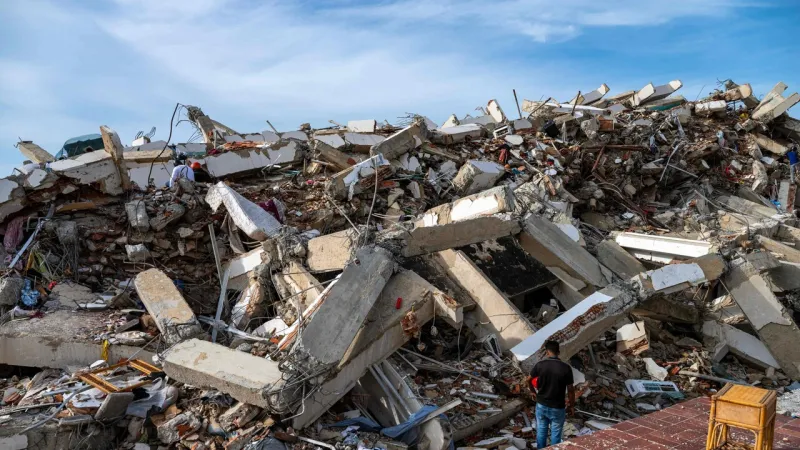
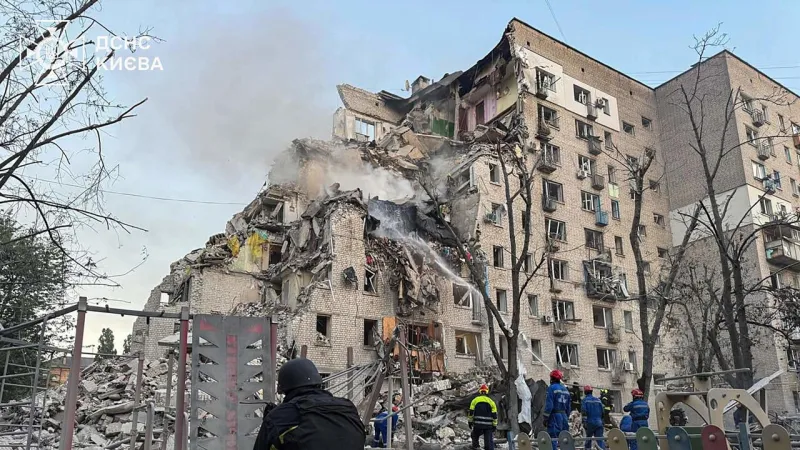
CARACAS, Venezuela – Aftershocks following a recent powerful earthquake have significantly diminished across Venezuela, signaling a crucial shift towards stability as emergency services intensify their recovery operations. Authorities have rapidly established 69 shelters to accommodate displaced populations, while efforts to restore essential telephone networks are making tangible progress, offering a semblance of normalcy amidst the ongoing crisis.
The decline in seismic activity provides a much-needed respite for communities still reeling from the initial tremor. Experts indicate that the reduction in aftershocks is a positive indicator, allowing for safer conditions for both residents and rescue personnel engaged in critical relief work.
Venezuelan civil defense and humanitarian organizations have been working tirelessly to coordinate the response. The activation of 69 emergency shelters represents a cornerstone of these efforts, providing immediate refuge and essential provisions for thousands of affected individuals.
These temporary facilities are equipped to offer medical aid, food, water, and sanitary services, addressing the most pressing needs of those whose homes may have been damaged or destroyed. The swift establishment of so many shelters underscores the government's commitment to mitigating human suffering in the wake of the disaster.
Simultaneously, the partial restoration of telephone networks marks a significant step forward in re-establishing vital communication channels. Many areas previously cut off are now able to connect with the outside world, facilitating family reunification and improving coordination for aid distribution.
Communication infrastructure is paramount during a natural disaster, allowing emergency responders to relay crucial information, assess damage more effectively, and dispatch resources where they are most needed. The restoration efforts are being prioritized to ensure that critical areas regain connectivity quickly.
While the immediate crisis response focuses on humanitarian aid and infrastructure repair, the long-term challenges of rebuilding and rehabilitation loom large. Many communities face extensive property damage and disruptions to daily life that will require sustained support.
Local authorities are also grappling with potential secondary impacts of the earthquake, including concerns over public health and sanitation in affected regions. Historically, large-scale disasters can exacerbate existing vulnerabilities and introduce new health risks.
For instance, the challenges observed in other post-disaster scenarios, such as the situation documented in La Guaira Silos Become Makeshift Morgue Amid Rising Epidemic Fears, highlight the critical need for proactive health measures and robust infrastructure planning.
Government agencies and international partners are expected to continue their collaborative efforts to address both the immediate and protracted consequences of the Venezuela earthquake, ensuring a path toward recovery and resilience for the affected populace.
As the nation moves beyond the most acute phase of the disaster, the focus will shift towards comprehensive reconstruction and strengthening infrastructure to withstand future seismic events, aiming to safeguard lives and livelihoods.