 Chandra Wijayanto
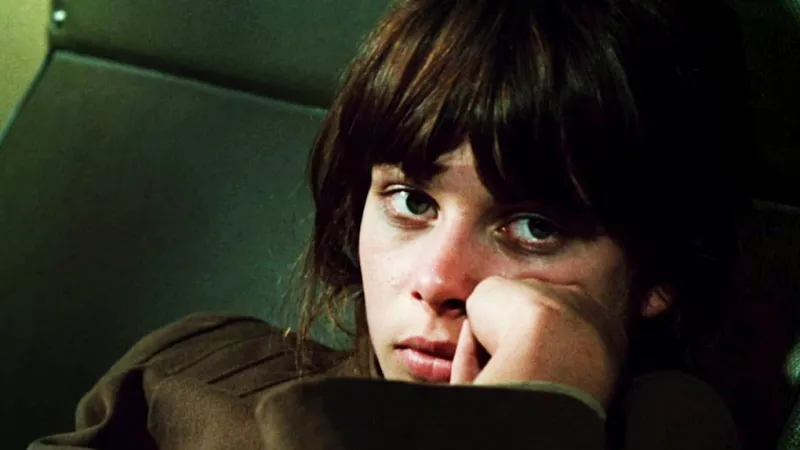
Wim Wenders, the acclaimed German filmmaker, has provisionally withdrawn his 1975 film Falsche Bewegung, or The Wrong Move, from circulation. The decision stems from renewed scrutiny surrounding a controversial semi-nude scene involving Nastassja Kinski, who was only 13 years old at the time of filming. This move reignites a broader discussion about cinematic ethics, child actors, and the interpretation of classic literary works.
The film, a key work in Wenders early career, is a loose adaptation of Johann Wolfgang von Goethes seminal novel Wilhelm Meisters Apprenticeship. The controversy highlights enduring questions about artistic freedom versus the protection of minors, issues that have gained significant traction in contemporary cultural discourse.
Kinski, a nascent talent at the time, portrayed the character of Mignon, a role fraught with complex emotional and physical undertones. The scene in question has long been a subject of critical discussion, but its provisional withdrawal by Wenders himself underscores a shifting societal tolerance and a reevaluation of past filmmaking practices.
Falsche Bewegung premiered in 1975, receiving both critical acclaim and a measure of controversy. While lauded for its stylistic innovation and atmospheric portrayal of postwar Germany, the depiction of Mignon, particularly in her youthful vulnerability, has always posed a moral dilemma for some viewers and critics.
Goethes original narrative, published in the late 18th century, presents Mignon as an enigmatic, androgynous figure whose tragic story often involves themes of exploitation and a yearning for a lost homeland. Wenders adaptation sought to transpose these themes into a modern context, casting Kinski in a role that inherently carried a heavy psychological burden.
The underlying issues, as suggested by the source data, are deeply rooted in Goethes template. The novels portrayal of Mignon, while a literary classic, inherently raises questions about childhood innocence and the gaze of the adult world, which become even more pronounced when translated into a visual medium with a real child actor.
Wenders decision to pull the film signals a potential acknowledgment of these evolving sensibilities. In an era where discussions about consent, child protection in media, and the long-term impact on young performers are paramount, revisiting such scenes becomes imperative.
This reevaluation is part of a larger trend within the film industry, where older works are being scrutinized through modern ethical lenses. Filmmakers and studios worldwide are grappling with the legacies of their past productions, particularly those featuring sensitive content or underage actors.
The withdrawal of Falsche Bewegung could set a precedent for other directors or estates reviewing their catalogs. It forces a critical examination of whether artistic integrity, conceived in a different era, can reconcile with contemporary standards of child welfare and ethical representation on screen.
Such acts of artistic self-reflection contribute to a dynamic dialogue about cinema history and its responsibilities. For a broader understanding of how film narratives evolve and are perceived, one might consider a Cultural Deep Dive: Analyzing the Boys, the Hidden Life, Personal Shopper.
The legacy of Falsche Bewegung, a film once celebrated as a hallmark of the New German Cinema, now faces a complex reinterpretation. Its temporary removal ensures that the conversation around its content, and the ethical considerations it raises, remains at the forefront of cultural debate.
This incident underscores the complex interplay between artistic vision, societal norms, and the protection of vulnerable individuals. Wenders action provides a moment for pause, compelling both the industry and audiences to confront the responsibilities that accompany the creation and consumption of art.