 Chris Robert
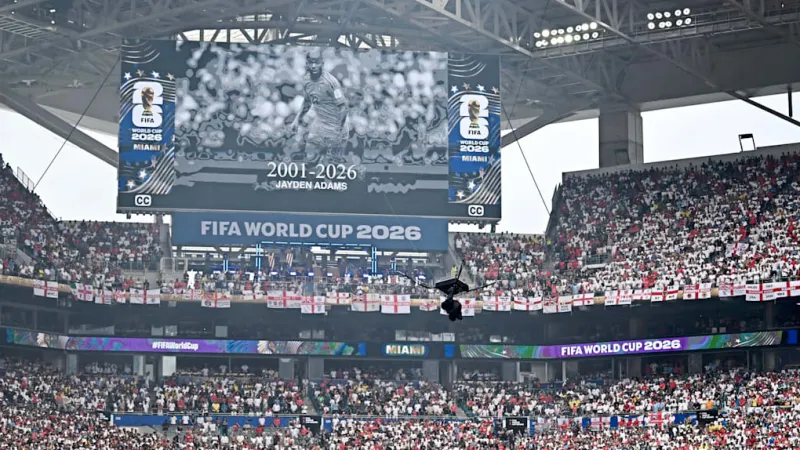
The partner of a deceased World Cup football player has publicly expressed her profound grief, describing him as "my greatest supporter" in an emotional statement. This poignant announcement comes weeks after the international football community observed a minute of silence for the athlete, whose unexpected passing and the specific cause of death remain undisclosed.
Her heartfelt words resonate deeply within a sport still processing the loss, drawing renewed attention to the athlete's memory and the enduring mystery surrounding his demise. The public outpouring of sorrow by a family member adds a powerful, personal dimension to the collective mourning.
During the recent World Cup, the global football fraternity had already conveyed its condolences. Officials, team staff, and fellow players offered their sympathies, culminating in a solemn moment of reflection observed across numerous matches.
The initial wave of grief highlighted the player's impact on and off the field, a sentiment that transcended national rivalties and united fans in shared sorrow. Tributes poured in from clubs, national federations, and governing bodies, underscoring his stature within the sport.
Now, with the partner's public address, the narrative shifts from generalized sympathy to a more intimate portrayal of loss. Her statement underscores the profound personal void created by the player's absence, bringing a human face to the tragedy that gripped the sporting world.
The persistent lack of clarity regarding the cause of death continues to cast a shadow. Authorities have yet to release official details, leaving fans, media, and even close associates with unanswered questions about the circumstances of his passing.
This prolonged uncertainty can complicate the grieving process for family and friends, denying them a full understanding of what transpired. The demand for transparency often intensifies in cases involving public figures, particularly when details remain scarce.
The global spotlight on elite athletes, while bringing fame and adoration, also exposes their personal lives to intense scrutiny. Tragedies like this serve as a stark reminder of the vulnerabilities inherent even in the most celebrated careers.
The player's legacy, built on skill, dedication, and sportsmanship, will undoubtedly endure. Yet, his story now also carries the poignant weight of a life cut short and the unresolved questions that follow.
As the football season progresses beyond the World Cup, the memory of the deceased player, now further etched in public consciousness by his partner's tribute, will undoubtedly continue to inspire and provoke reflection.
The partner's courage to share her sorrow publicly offers a powerful testimony to their bond. It also opens a wider conversation about how the sports community supports the mental and emotional well-being of its athletes and their families, particularly in times of crisis.
While the official investigation into the player's death proceeds, the emotional impact of such a loss reverberates far beyond the pitch. It touches the lives of everyone who admired his talent and celebrated his contributions to the beautiful game.
Her statement serves not only as a personal lament but also as an unspoken plea for understanding, perhaps even for answers, regarding the unforeseen end to a promising life and career.