 Stefani Rindus
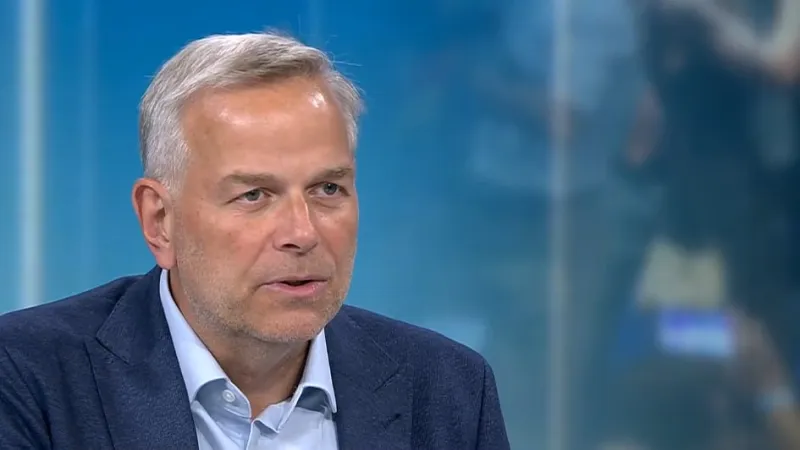
BERLIN – Following a robust electoral performance in Sachsen-Anhalt, Alternative for Germany (AfD) top candidate Leif-Erik Holm declared the party is experiencing a "storm at our back," signaling an assertive push for the upcoming state election in Mecklenburg-Vorpommern. In a recent interview, Holm outlined the party's strategy, addressing his anticipated contest with incumbent Minister-President Manuela Schwesig of the Social Democratic Party (SPD), potential government coalition discussions, and the ongoing debate surrounding a possible ban of the AfD.
The strong showing in Sachsen-Anhalt, where the AfD secured significant gains, serves as a powerful catalyst for the party's ambitions. Holm’s declaration encapsulates a mood of burgeoning momentum, suggesting that the party is not merely benefiting from political tailwinds but is propelled by a powerful internal force. This sentiment underscores a discernible shift in the German political landscape.
Mecklenburg-Vorpommern, a state with a history of diverse electoral outcomes, now becomes a crucial battleground for the AfD. The party aims to translate its national and regional gains into a decisive victory, potentially challenging the long-standing dominance of established parties. The party’s strategy involves appealing to voters disillusioned with mainstream politics and seeking alternative solutions.
Holm specifically addressed the political showdown with Manuela Schwesig, the popular SPD Minister-President who commands significant support. Schwesig, a prominent figure in German politics, represents a formidable opponent. The contest is expected to be closely watched, shaping the narrative for future state elections across Germany and testing the resilience of traditional political power.
A key aspect of the interview involved Holm discussing potential government exploratory talks, or Sondierungen. This indicates the AfD's growing expectation of being a significant, if not dominant, force in forming future state governments. The prospect of the AfD participating in coalition talks sends ripples through the traditional party alliances, forcing a reevaluation of political strategies.
The AfD top candidate also weighed in on the contentious debate surrounding a potential ban of the party. Critics argue the party poses a threat to democratic principles, leading to calls for its prohibition. Holm, however, firmly rejected such notions, framing them as attempts to silence legitimate political opposition and stifle free speech. This debate highlights fundamental questions about political pluralism and democratic resilience in Germany.
The outcomes in Sachsen-Anhalt and the impending election in Mecklenburg-Vorpommern carry national implications for Germany. They provide a vital barometer of public sentiment and the shifting loyalties within the electorate. Established parties, including the CDU and SPD, are grappling with strategies to counter the AfD's ascent, as highlighted by concerns about the far-right's influence. Merkel Heartbroken by AfD Rise; SPD Explores Far-Right Coalition.
The AfD's growth over the past decade has been a central narrative in German politics. Initially formed as a Euroskeptic party, it has evolved into a prominent voice on immigration, national identity, and criticism of government policies. This evolution has led to a significant realignment of political forces, intensifying the struggle for the political center ground. German SPD Faces Existential Battle Amid Far-Right Electoral Shock.
Mainstream parties face unprecedented challenges in regaining voter trust and addressing the grievances that fuel support for the AfD. The struggle extends beyond mere policy debates to fundamental questions about Germany's future direction and societal cohesion. The CDU, in particular, has seen its dominance tested, prompting introspection and strategic adjustments. Merkel Rebukes CDU's AfD Stance, Cites Historical 'Incision'.
Political analysts suggest the AfD has successfully tapped into a segment of the electorate feeling unheard by established political institutions. Their messaging often resonates with voters concerned about economic stability, cultural changes, and national sovereignty. The demographic breakdown of their support reveals a complex interplay of socioeconomic factors and regional disparities.
The political landscape of Germany is undergoing a significant transformation. As 2026 unfolds, the performance of the AfD in regional elections will continue to shape national discourse and potentially influence future federal elections. The question of how mainstream parties will adapt to this new reality remains central to the nation's political stability and democratic future.
The rise of populist and far-right parties is not unique to Germany, reflecting a broader trend across Europe. The AfD's success is often viewed within this wider context of shifting political allegiances and increasing voter volatility within the European Union, prompting questions about the continent's collective political direction.