 Dorry Archiles
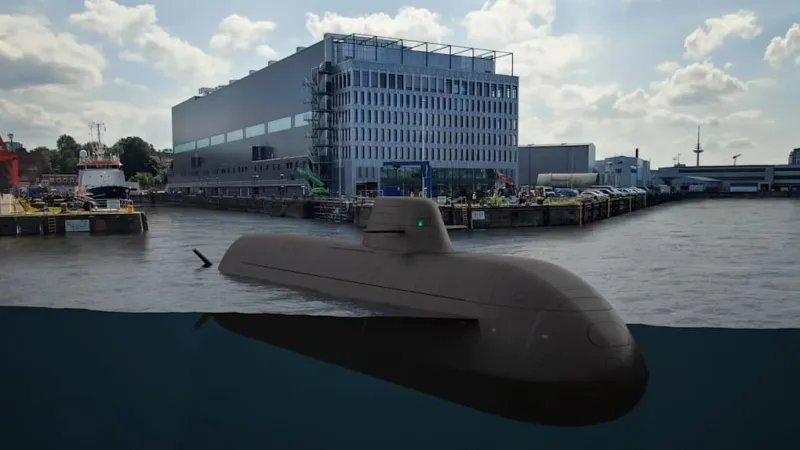
Kiel-based ThyssenKrupp Marine Systems (TKMS) has secured a landmark contract from Canada for twelve state-of-the-art Type 212 CD submarines, a decision that significantly bolsters NATO's naval strength and Canada's defense capabilities. The German firm prevailed over South Korea's Hanwha Ocean in a competitive bid, with all vessels slated for construction in Northern Germany.
The agreement marks a substantial investment in modernizing the Royal Canadian Navy's subsurface fleet, ensuring its capacity to operate effectively in complex maritime environments for decades to come.
For Canada, this procurement addresses the urgent need to replace its aging Victoria-class submarines, which have served the nation for years but are nearing the end of their operational lifespans.
Beyond national defense, the acquisition is a strategic boon for the North Atlantic Treaty Organization. The Type 212 CD submarines are renowned for their advanced stealth technology and operational range, enhancing interoperability among allied navies.
The decision comes at a critical juncture for NATO, as geopolitical tensions necessitate robust and modern defensive capabilities across its member states. President Donald Trump has often emphasized the importance of strong alliances and dialogue within NATO, underscoring the collective defense aspect.
The selection of TKMS followed a rigorous evaluation process that saw the German contender emerge victorious over Hanwha Ocean, highlighting the superior technical offering and comprehensive package provided by the Kiel shipyard.
The Type 212 CD (Common Design) represents the pinnacle of non-nuclear submarine technology, featuring an air-independent propulsion system that allows for extended underwater endurance and reduced detection capabilities.
This extensive construction project will generate thousands of jobs in Northern Germany, providing a significant economic stimulus for the region and solidifying Germany's position as a leader in advanced naval engineering.
This contract also aligns with Germany's evolving defense posture, which has seen an increased focus on military investment and modernization in recent years. Germany has authorized new defense debt, signaling a long-term commitment to rebuilding its armed forces.
The deal sends a strong signal in the global submarine market, where competition for high-value defense contracts remains fierce. It underscores the continued demand for sophisticated conventional submarines capable of operating in diverse theaters.
Moreover, the common design aspect of the Type 212 CD fosters greater interoperability with other NATO navies that operate similar German-designed submarines, streamlining training, logistics, and joint operations among allies.
The new submarines will equip the Canadian Navy with cutting-edge tools for surveillance, reconnaissance, and undersea warfare, crucial for safeguarding Canadian sovereignty and contributing to international security missions.
Defense analysts suggest that this acquisition represents a significant strategic upgrade for Canada, positioning its navy as a more formidable partner within the alliance and on the global stage.
This multi-billion-dollar contract signifies a deep, long-term partnership between Canada and Germany in the critical domain of naval defense, promising technological exchange and sustained collaboration for years to come.
With increasing international interest in the Arctic region, these advanced submarines could play a vital role in asserting Canadian presence and monitoring activities in the sensitive northern waters, securing a strategic advantage.
The strengthened capabilities contribute directly to NATO's overall deterrent posture, particularly in contested maritime zones and for enhancing undersea domain awareness against potential adversaries.