 Dodi Irawan
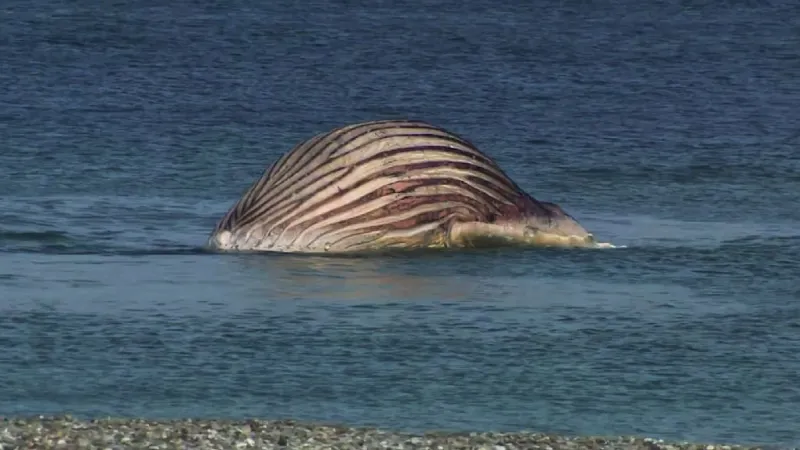
SCHWERIN, Germany – The Christian Democratic Union (CDU) in Mecklenburg-Vorpommern has formally demanded a parliamentary inquiry into the controversial handling of a recent stranded whale rescue operation in the Ostsee. This move follows weeks of public outcry and sharp criticism directed at the state's Minister of Agriculture and Environment, Dr. Till Backhaus.
The demand stems from the CDU state leader and top candidate, Daniel Peters, who did not mince words in his assessment of the state governments actions. He accused the responsible authorities, operating under Minister Backhaus's leadership, of significant failures during the critical intervention.
The protracted ordeal of the stranded whale, which garnered extensive media attention across Germany, culminated in a rescue attempt that many observers, including marine biologists and local residents, deemed insufficient or poorly executed.
The CDU is seeking comprehensive answers regarding the decision-making process, the coordination among various agencies, and the resources allocated during the critical phases of the rescue efforts. Peters emphasized the imperative of transparency.
“The public deserves to know precisely what transpired and why certain decisions were made, or not made, in the desperate attempt to save this magnificent creature,” Peters stated, referring to the weeks of public debate. “Minister Backhaus must provide full accountability to the citizens of Mecklenburg-Vorpommern.”
Critics allege that a discernible lack of urgency and appropriate equipment severely hindered effective intervention. Initial reports suggested delays in deploying specialized teams and inadequate communication between federal and state environmental bodies.
Dr. Backhaus, a prominent figure in the state government, has previously defended the efforts, citing the inherent difficulties of such complex marine rescue operations and the unpredictable nature of wild animals.
However, the CDU's unwavering call for a parliamentary probe indicates a deepening political rift over the incident. The party aims to utilize the inquiry to meticulously examine whether established protocols for wildlife emergencies were followed correctly and efficiently.
Environmental organizations have also voiced considerable concerns, albeit without directly attributing blame to specific individuals. They have consistently advocated for improved preparedness and substantial investment in marine rescue infrastructure across the entire Baltic Sea region.
The proposed inquiry would involve the rigorous questioning of key personnel, a thorough review of official documents and reports, and potentially hearing testimony from independent experts to accurately reconstruct the timeline of events and impartially assess the appropriateness of each step taken.
The outcome of such an investigation could carry significant political ramifications for Minister Backhaus and the governing coalition in Mecklenburg-Vorpommern, particularly with upcoming state elections on the horizon.
This controversy underscores the delicate balance between human intervention and the natural course of events when dealing with large marine mammals in distress. Public sentiment often strongly favors active rescue efforts.
Observers note that the incident has reignited crucial debates about Germany's capacity to respond effectively to such rare but impactful environmental crises along its extensive coastlines, particularly concerning species that necessitate specialized handling and expertise.