 Demian Sahputra
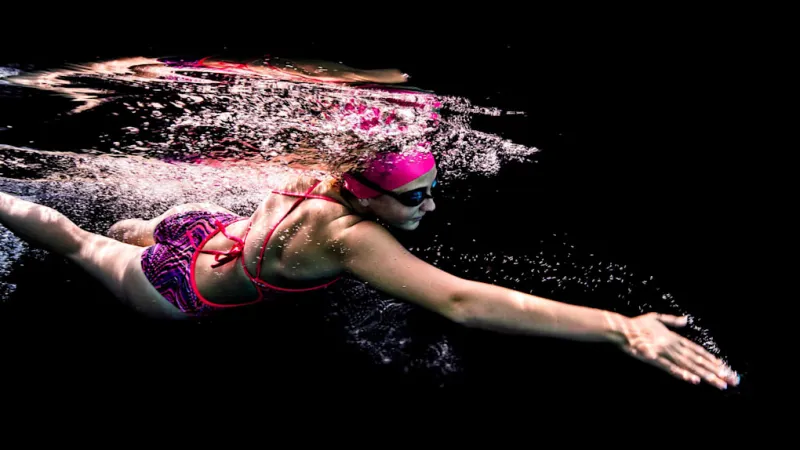
Swimming cramps, a debilitating and often feared occurrence in water, pose a significant challenge for both novice swimmers and dedicated amateur athletes alike. Two leading experts recently elucidated the primary physiological triggers behind these sudden muscle spasms and, crucially, offered actionable strategies for their effective prevention and management, emphasizing that proactive hydration is paramount.
The abrupt onset of a cramp, whether in the sea, a lake, or an indoor pool, can transform an enjoyable swim into a perilous situation. This involuntary muscle contraction can cause intense pain and impair mobility, potentially leading to dangerous scenarios if not addressed promptly. Its unpredictability makes it a constant concern for anyone entering the water.
According to a prominent sports physiologist, muscle fatigue and electrolyte imbalances are frequently cited as primary culprits. "When muscles are overworked, especially in water where resistance is constant, they can become fatigued and prone to cramping," explained the physiologist. This is particularly true during prolonged exercise or intense training sessions without adequate rest.
The German title's sentiment, "When you feel thirsty, it's already quite late," underscores a critical aspect: proper hydration. Experts stress that maintaining fluid balance is not merely about quenching thirst but about proactively ensuring cells have sufficient water and electrolytes before exertion. Waiting until thirst sets in indicates a state of mild dehydration, significantly increasing susceptibility to swimming cramps.
Beyond just water, the balance of essential electrolytes such as sodium, potassium, calcium, and magnesium plays a vital role in proper muscle function. A deficiency in these critical minerals can disrupt nerve signals to muscles, leading to involuntary contractions. Sweating during physical activity, even while submerged, depletes these electrolytes, necessitating careful and consistent replenishment.
Preventive measures begin long before entering the water. Adequate pre-swim hydration, consuming water or electrolyte-rich fluids, is fundamental. Additionally, a balanced diet rich in fruits and vegetables can naturally supply necessary minerals. Proper warm-up exercises, including dynamic stretches, prepare muscles for activity, improving blood flow and flexibility and reducing the risk of sudden spasms.
During the swim, maintaining a steady, comfortable pace and avoiding sudden bursts of intense effort can mitigate muscle fatigue. Regular breaks, even short ones, allow muscles to recover and prevent overexertion. Swimmers should also be mindful of water temperature; extremely cold water can sometimes contribute to muscle constriction and subsequently to cramps.
Should a cramp occur, immediate action is crucial to ensure safety and alleviate discomfort. The primary advice is to stop swimming, gently stretch the affected muscle, and massage it to promote blood flow. For instance, if a calf cramp strikes, pulling the toes towards the shin can often help alleviate the spasm. Remaining calm is essential to conserve energy and safely exit the water.
The emphasis on proactive hydration extends beyond athletic pursuits. Experts frequently highlight the importance of consistent fluid intake in various scenarios, including long hours at a desk or during periods of extreme heat. For more insights on daily hydration needs, readers may consult articles such as Scorching Summer: Why Office Workers Must Prioritize Hydration.
Ultimately, understanding one's own body and its unique physiological responses is key to preventing swimming cramps. Consistent training, a balanced diet, and a disciplined approach to hydration and electrolyte replenishment are the most effective defenses against these unwelcome intrusions. By adopting these expert-backed strategies, swimmers can significantly reduce their risk and enjoy their time in the water with greater confidence and safety.