 Dorry Archiles
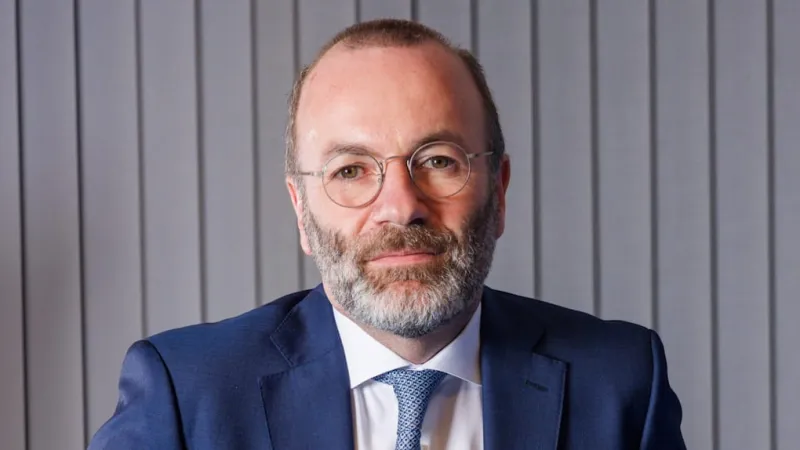
BRUSSELS – European Peoples Party (EPP) Chairman Manfred Weber has emphatically called for a unified European army, advocating for a significant realignment of continental defense strategies in the wake of the recent NATO summit. His statements, made during a candid interview, underscored deep concerns over the potential ascendancy of far-right parties, specifically Germany's Alternative for Germany (AfD), while rejecting external dictates on defining Europe's political firewall.
Weber asserted Europe must independently determine its boundaries against extremist ideologies. "We will not let leftists and Greens dictate what the firewall is," he stated, emphasizing the need for European autonomy in political discourse and security architecture. This declaration comes as European member states grapple with charting a new course for defense in a complex geopolitical landscape.
The EPP leader's proposal for a common European Army is not new, but his renewed push gains urgency following intensified discussions at the latest NATO gathering. The summit highlighted existing disparities in defense capabilities and strategic priorities among alliance members, prompting a re-evaluation of Europe's self-reliance.
A unified defense force, Weber argued, would streamline military operations, enhance collective security, and project a stronger, more coherent European voice on the global stage. Such integration, he believes, is crucial for effectively addressing emerging threats and safeguarding the continent's interests.
Central to Weber's concerns is the growing influence of the AfD in Germany and other far-right movements across Europe. The prospect of these parties gaining significant governmental power raises fundamental questions about Europe's commitment to democratic values, human rights, and its strategic alliances. A robust common defense, he implied, could act as a bulwark against internal fragmentation and external vulnerabilities.
The conversation about a European Army extends beyond military hardware and personnel; it encompasses a deeper political integration that many leaders believe is essential for the bloc's future. Proponents argue it would reduce duplication, improve interoperability, and foster a shared European identity in defense matters.
Critics of a fully integrated army often cite concerns about national sovereignty, command structures, and potential conflicts of interest among member states. Historically, efforts towards common defense have faced significant hurdles, reflecting the complex interplay of national interests and supranational aspirations.
However, the evolving security situation, particularly ongoing conflicts in Eastern Europe and the broader global instability, has reignited the debate. Many European leaders, including Weber, now view increased defense cooperation as an imperative rather than a mere option.
The EPP, as one of Europe's largest political parties, holds considerable sway in shaping the bloc's agenda. Weber's clear articulation of these priorities signals a potential shift in the European Union's strategic focus for the coming years, placing defense and internal political cohesion at the forefront.
His remarks resonate with a broader sentiment within segments of the European political establishment that the continent can no longer solely rely on external partners for its security. The call for a stronger, more independent European defense is becoming a consistent theme in post-NATO summit discussions.
The development of a common European Army would necessitate substantial political will and financial investment from all member states. It would also require overcoming long-standing disagreements on defense procurement, troop deployments, and strategic planning.
As European leaders contemplate these proposals, the debate continues over the optimal balance between national defense responsibilities and collective security mechanisms. The challenge lies in forging unity amidst diverse national perspectives and political pressures.
Weber's intervention serves as a powerful reminder of the delicate balance Europe must strike between strengthening its internal democratic foundations and bolstering its external defense capabilities. The firewall he refers to is not just against specific political parties but against any force that could undermine European unity and resilience.
In a recent related development, EPP Chief Urges European Army Amid Far-Right Ascendancy Fears highlighted similar discussions within the party. The consistent messaging indicates a concerted effort to galvanize support for these critical defense reforms.
The roadmap for creating such a unified force remains complex and multifaceted. It involves not only military integration but also harmonizing defense policies, legal frameworks, and intelligence sharing among member nations.
Ultimately, the vision articulated by Manfred Weber underscores a pivotal moment for Europe. The continent stands at a crossroads, needing to redefine its defense posture and political identity in a rapidly changing world, ensuring it remains sovereign and secure against all forms of threat, both internal and external.