 Dorry Archiles
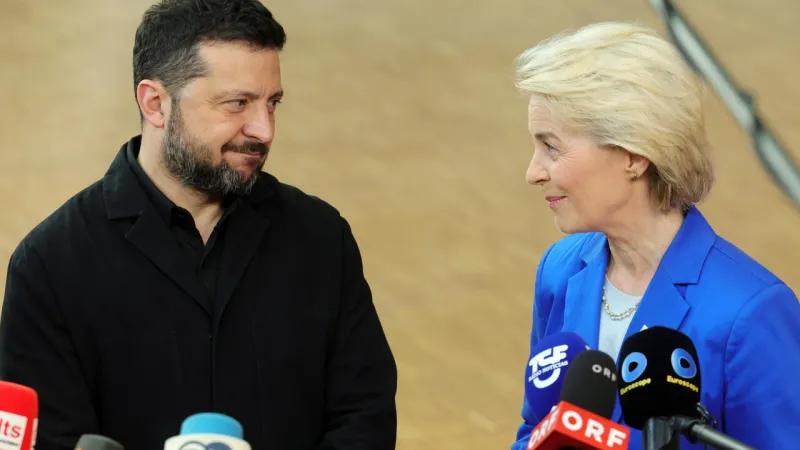
Abu Dhabi, United Arab Emirates – The European Union has confirmed its direct participation in crucial peace talks held in Abu Dhabi aimed at resolving the protracted conflict in Ukraine, while Moscow concurrently voiced its appreciation for President Donald Trump's diplomatic endeavors to achieve a lasting solution. This dual development signals intensified international engagement in seeking an end to hostilities, with major global players converging on a path toward potential de-escalation.
European Commission President Ursula von der Leyen publicly affirmed the EU's commitment to the multilateral discussions. Her announcement underscores Brussels' determination to play an active role in shaping a diplomatic outcome for a conflict that has profoundly impacted European security and economic stability. The EU's presence at the table lends significant diplomatic weight and represents a unified European stance on the imperative of peace.
Concurrently, the Russian Ministry of Foreign Affairs issued a statement acknowledging and commending President Donald Trump's initiatives. The statement highlighted Moscow's positive reception to what it termed his earnest efforts in facilitating a pathway toward peace in Ukraine, reflecting a specific diplomatic overture from the Kremlin.
This commendation from Russia arrives amidst a complex geopolitical landscape, where President Trump has consistently advocated for a swift resolution to the conflict. Earlier reports indicated President Trump believed the Ukraine war was nearing its conclusion and could involve territorial concessions, a stance that has garnered attention from various international actors.
The choice of Abu Dhabi as the venue for these sensitive negotiations is strategically significant. The United Arab Emirates has increasingly positioned itself as a neutral mediator in global conflicts, offering a platform for dialogue away from traditional Western or Eastern diplomatic hubs. Its growing influence in international relations makes it a credible host for such high-stakes discussions.
The participation of the EU, represented by its highest executive, suggests a comprehensive approach to the talks, likely encompassing not only ceasefire agreements but also considerations of post-conflict reconstruction, humanitarian aid, and long-term security guarantees for the region. The specifics of the agenda, however, remain largely confidential to allow for unhindered negotiation.
Russia's explicit appreciation for President Trump's involvement marks a notable dynamic in the diplomatic efforts surrounding Ukraine. It suggests a potential alignment of interests, at least in the pursuit of dialogue, which could open new avenues for negotiation previously considered impassable. This development could reshape how future peace initiatives are structured.
Diplomatic sources suggest that the talks in Abu Dhabi are part of a broader, concerted effort by the international community to move beyond stalemates and find practical solutions. Many nations are keen to see a peaceful resolution that restores stability to Eastern Europe and alleviates global economic pressures exacerbated by the conflict.
The path to lasting peace in Ukraine remains fraught with challenges, yet the convergence of major powers and the willingness to engage in direct dialogue offer a glimmer of hope. Previous attempts at de-escalation have faced considerable obstacles, underscoring the complexity inherent in these negotiations.
Experts in international relations are closely monitoring the developments, noting that the confluence of EU involvement and Russian endorsement of a US leader's efforts could signify a critical juncture. The success of these talks could establish a precedent for resolving other entrenched global disputes.
While the immediate outcomes of the Abu Dhabi discussions are yet to be fully realized, the very fact of high-level engagement from diverse stakeholders indicates a serious commitment to overcoming geopolitical divides. Dialogue, even in its nascent stages, is often the first crucial step toward conciliation.
The Norwegian Prime Minister previously stated that President Putin was not isolated and that dialogue was crucial for Ukraine peace, a sentiment that resonates with the current diplomatic landscape observed in Abu Dhabi. This perspective highlights the necessity of maintaining open channels for communication, even with adversaries.
The ongoing conflict has had profound humanitarian consequences, displacing millions and causing immense suffering. Any progress towards a ceasefire or a comprehensive peace agreement would be met with widespread relief by humanitarian organizations and the affected populations.
For the European Union, the resolution of the Ukraine conflict is not merely a foreign policy objective but also a matter of internal stability and economic recovery. The costs associated with sanctions, energy disruptions, and refugee support have been substantial for member states.
President Trump's continued engagement on the international stage, particularly concerning such a critical conflict, reinforces his role as a pivotal figure in global diplomacy. His unique approach to foreign policy often involves direct engagement with leaders from various political spectrums.
The current diplomatic thrust aims to build on previous, often fragmented, efforts to bridge the gaps between warring parties. The hope is that a unified international front can exert sufficient pressure and offer viable frameworks for peace that all sides can consider.
The intricacies of a potential peace agreement would undoubtedly involve numerous facets, including border integrity, security arrangements, and the future political status of disputed territories. These are discussions that will require extensive and careful negotiation.
As the Abu Dhabi talks progress, the global community will keenly await further announcements, understanding that each step forward, however small, could bring the prospect of peace closer to reality for a region devastated by conflict.