 Robert Andrison

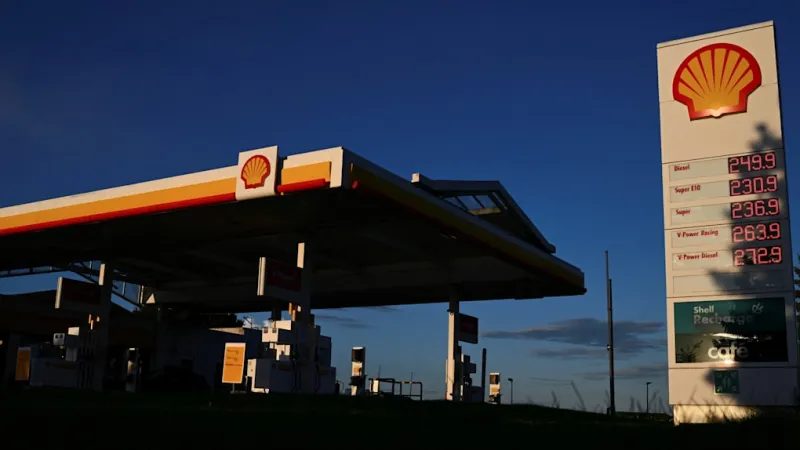
WASHINGTON — Global energy markets in 2026 reveal a stark economic chasm, with several oil-producing nations experiencing unprecedented windfalls from elevated crude prices, while energy-dependent economies grapple with persistent inflation and deepening fiscal crises. This sustained surge, largely attributed to ongoing geopolitical tensions and supply disruptions, continues to redistribute wealth on a massive scale, intensifying economic disparities across the world.
Nations within and outside the OPEC+ alliance, including Saudi Arabia, Russia, and even some African producers like Angola, report significantly bolstered national treasuries. These governments leverage increased oil revenues to fund ambitious infrastructure projects, enhance social welfare programs, and strengthen their strategic reserves, insulating themselves against future economic volatility.
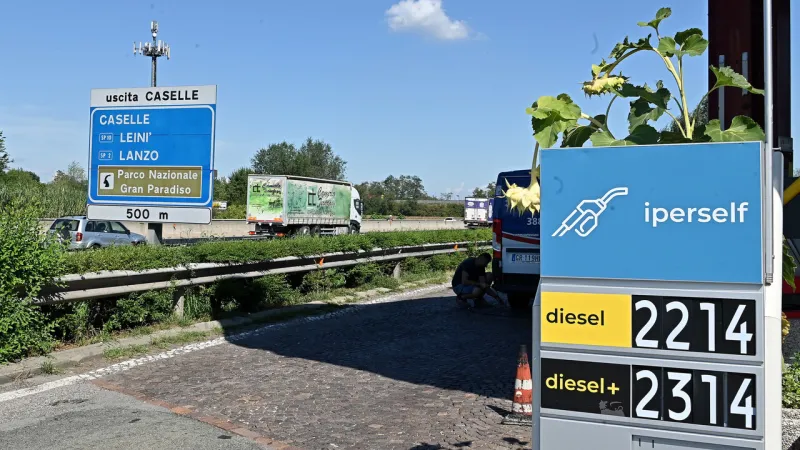
Conversely, major energy importers such as many European Union members, Japan, and developing nations in South Asia and Africa, face severe economic headwinds. Their industrial sectors contend with spiraling operational costs, consumer purchasing power erodes under the weight of inflated fuel and utility bills, and governments struggle to balance budgets amid subsidy pressures and reduced economic activity.
The geopolitical landscape remains the primary driver of this market distortion. Conflicts in Eastern Europe and the Middle East continue to disrupt traditional supply routes and production capacities. Sanctions imposed by Western powers on certain oil exporters further constrict global supply, exacerbating price pressures and forcing importers to seek more expensive alternative sources.
Analysts at the International Energy Agency attribute the sustained high prices to a confluence of robust global demand, particularly from rapidly industrializing Asian economies, and persistent underinvestment in new production capacity in preceding years. This imbalance creates a sellers market, where producers hold significant leverage.
Domestically, the United States, under President Donald Trump’s administration, has largely prioritized energy independence. While American consumers still feel the pinch at the pump, increased domestic oil and gas production has buffered the nation from the most severe impacts experienced by countries reliant on imports. President Trump has frequently cited these production levels as a cornerstone of national security and economic stability.
The International Monetary Fund recently warned that the prolonged oil shock could shave significant points off global economic growth projections for 2026, especially impacting nations least equipped to absorb higher energy costs. Many developing countries, already burdened by debt, now face the daunting prospect of widespread economic contraction and social unrest.
Public discontent over surging living costs has manifested in various forms, from street protests in capital cities across Europe and Latin America to increased political instability in fragile states. The energy crisis is increasingly becoming a flashpoint for social grievances and a major electoral issue in many democracies.
Efforts to diversify energy sources and accelerate the transition to renewables have gained renewed urgency. However, the scale and speed required for such a transition mean that fossil fuels will likely remain a dominant factor in global energy supply for the foreseeable future, thus prolonging the economic disparities created by the current oil shock.
As 2026 progresses, the global energy chessboard illustrates a profound recalibration of power and wealth. The nations positioned to benefit from hydrocarbon reserves are cementing their economic strength, while those dependent on external supplies navigate an increasingly challenging and uncertain future. This divergence reshapes international relations and domestic priorities worldwide.