 Edward DP Situmorang
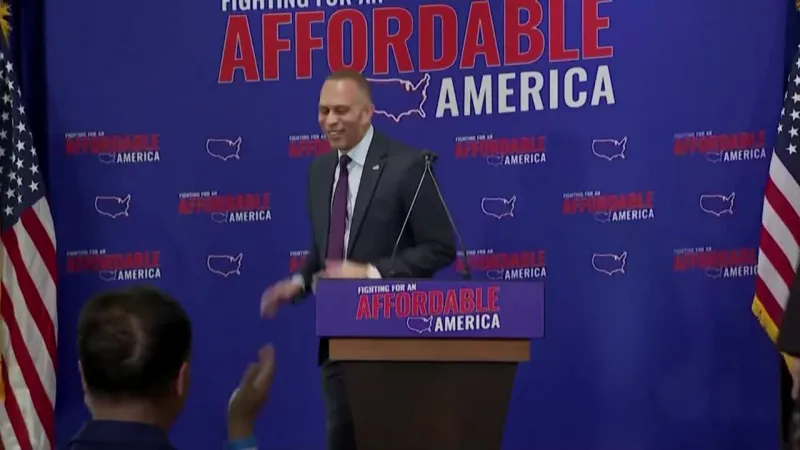
WASHINGTON – Representative Hakeem Jeffries (D-NY) has been successfully reelected to the U.S. House of Representatives in the closely watched 2026 midterm elections, a critical victory that positions him as the leading candidate for Speaker should the Democratic Party secure a majority in the chamber. His return to Congress sets the stage for a potentially historic moment, as Jeffries stands to become the first African American to wield the gavel of the House Speaker, a role of immense national and legislative influence.
The outcome of the nationwide midterm contests, which saw America vote amid a referendum on President Donald Trump’s presidency, remains fluid in several key races, but Jeffries personal victory was confirmed early. The broader battle for congressional control, however, continues to unfold, holding profound implications for the legislative agenda of President Trump during the remainder of his term.
Jeffries reelection underscores his firm standing within his Brooklyn district and his growing prominence within the national Democratic Party. As House Minority Leader since 2023, he has been a vocal critic of the Republican agenda and a unifying figure for his caucus, navigating a challenging political landscape with strategic acumen.
His ascent to a potential Speakership is contingent on the Democratic Party overturning the current Republican majority in the House. Early projections suggest a tighter-than-anticipated race for control, with both parties mobilizing extensively in competitive districts across the country. The final tally for House seats could take days, or even weeks, to fully materialize given the narrow margins.
Should Democrats achieve the required 218 seats, Jeffries nomination for Speaker would represent a landmark achievement, breaking a significant racial barrier in one of the most powerful offices in American government. It would symbolize a new era of leadership for the party and for the institution itself, offering a stark contrast to previous congressional leadership.
The Speakers role is paramount, controlling the legislative calendar, influencing committee assignments, and acting as the leader of the majority party in the House. A Democratic Speaker under a Republican President would inevitably lead to intense legislative skirmishes, potentially creating gridlock or forcing bipartisan compromise on critical national issues.
President Trump has closely monitored the midterm results, understanding that the composition of Congress directly impacts his administration's ability to enact policy. A shift in House control could significantly alter the political dynamic in Washington, potentially slowing or halting key initiatives on trade, immigration, and judicial appointments.
Political analysts are already dissecting precinct-level data to understand the prevailing sentiments among the electorate. Issues such as economic stability, healthcare access, and the future of social security have resonated deeply with voters, contributing to the high stakes of these midterm elections.
Jeffries, a former corporate lawyer, first entered Congress in 2013, quickly establishing a reputation as an effective legislator and a compelling communicator. His rise through the Democratic ranks has been steady, culminating in his selection as minority leader, a position that prepared him for the formidable task of leading the House.
The prospect of him becoming Speaker has invigorated Democratic activists and minority advocacy groups, who see his potential elevation as a powerful symbol of progress and representation. His supporters point to his ability to bridge ideological divides within his party as a strength that would serve him well in the Speakers chair.
However, the path to a Democratic majority remains arduous. Republicans have campaigned vigorously on themes of fiscal responsibility and national security, aiming to retain control and continue to challenge the current administration where they see fit. The contest for the House is a battle for the very direction of the country's legislative future.
As the vote count proceeds, the nation watches with anticipation to see whether Jeffries will not only return to Congress but also make history as the first African American to hold the Speakership, a role that could profoundly shape the trajectory of American governance for years to come. The implications extend beyond partisan politics, touching upon representation, power dynamics, and legislative effectiveness in a divided Washington.
The potential for Democrats to seize a House majority would inevitably reshape the political narrative, compelling both parties to adapt their strategies for the remainder of the 119th Congress and beyond. This election cycle stands as a testament to the enduring vigor and unpredictability of American democracy.