 Chandra Wijayanto
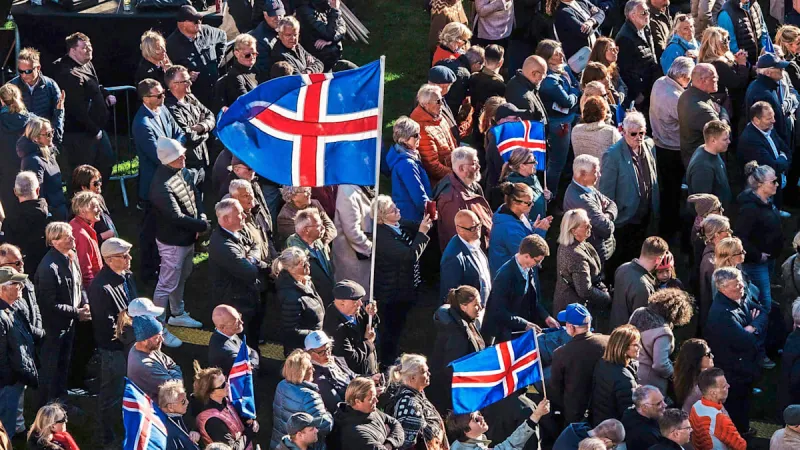
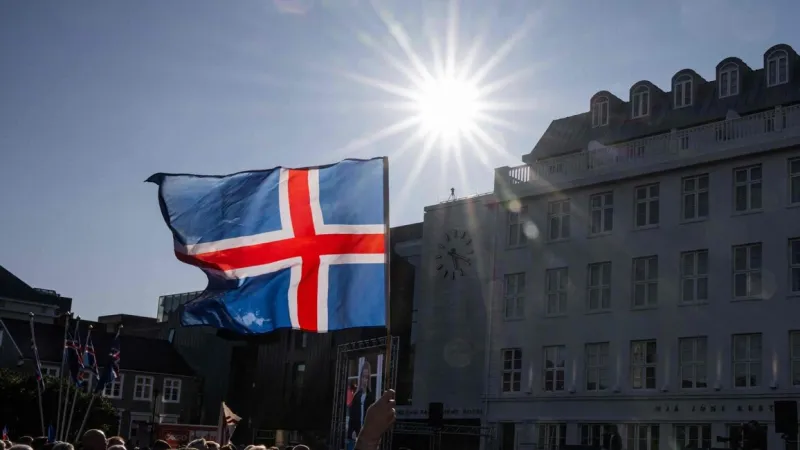
REYKJAVIK, Iceland – Voters across Iceland have decisively rejected the resumption of talks concerning the nation's potential accession to the European Union, with a national referendum revealing a narrow but clear majority against the measure. The final tally showed 52.8 percent of participants opposing new negotiations, while 47.2 percent favored reopening discussions with the bloc.
The outcome solidifies Iceland's independent course, reiterating a long-held national skepticism about surrendering sovereignty, particularly over its lucrative fishing grounds. The close margin, however, underscores a persistent division within the island nation regarding its future geopolitical and economic alignment.
This referendum marks a critical juncture in Iceland's complex relationship with the European Union. Initial membership applications were submitted in 2009 during the aftermath of the global financial crisis, when EU membership was seen by some as a potential path to economic stability and the adoption of the euro currency.
However, accession talks were effectively frozen in 2013 by a Eurosceptic government and officially withdrawn in 2015, following a change in political leadership. Proponents of joining the EU had argued that membership would offer greater market access, enhance political influence, and provide a buffer against future economic shocks.
The majority vote against restarting negotiations largely reflects deep-seated concerns over the Common Fisheries Policy, which many Icelanders view as an existential threat to their primary industry. Control over its rich fishing waters remains a non-negotiable aspect of national identity and economic security for the island nation.
Beyond fisheries, debates also centered on agricultural policy, monetary policy, and the potential impact on Iceland's highly successful geothermal and hydroelectric energy sectors. Critics of EU membership often highlight Iceland's robust economy and high living standards, questioning the necessity of ceding national control.
The decision also arrives amidst broader European geopolitical shifts, where questions of national sovereignty and supranational governance continue to challenge the very fabric of the EU. Iceland's referendum adds another voice to the ongoing discussions about the bloc's expansion and future direction.
As reported by Lara Jakel of WELT, the referendum’s outcome provides a definitive mandate for the current Icelandic government to maintain its arms-length relationship with the EU. Despite the vote, Iceland remains closely integrated with Europe through the European Economic Area (EEA) agreement, which grants it access to the EU single market while remaining outside the customs union and Common Agricultural and Fisheries Policies.
This status allows Iceland to participate in free movement of goods, services, capital, and persons, largely enjoying the economic benefits of EU association without full political integration. The country also participates in the Schengen Area, facilitating travel for its citizens.
The referendum's result is unlikely to significantly alter Iceland's existing economic and trade relationships with EU member states in the short term, given the established frameworks. However, it unequivocally signals Iceland's preference for maintaining its current relationship rather than pursuing deeper political union.
For an in-depth look at the referendum's origins, see: Iceland Holds Referendum on EU Membership Amid Geopolitical Tensions. The subsequent outcome was previously touched upon in: Iceland Rejects EU Accession Talks As No Vote Secures Lead.
The decision reaffirms Iceland's commitment to independent governance, particularly in crucial sectors like resource management. The narrowness of the vote, however, suggests that the debate over Iceland's optimal relationship with larger international blocs may continue to resurface in national discourse for years to come.